
Felony charges against two undercover videographers now hinge on whether speaking a false name at the polls counts as unlawful voting in Minnesota.
Story Snapshot
- Prosecutors say the men used real voters’ names at multiple polling places during the August primary.
- No ballot was cast; the men left when told an oath was required, raising legal questions.
- James O’Keefe calls the case an attack on investigative journalism and denies applying for ballots.
- The dispute spotlights Minnesota’s “vouching” rule and how election laws treat attempts versus completed acts.
What Prosecutors Allege Happened At Minneapolis Polls
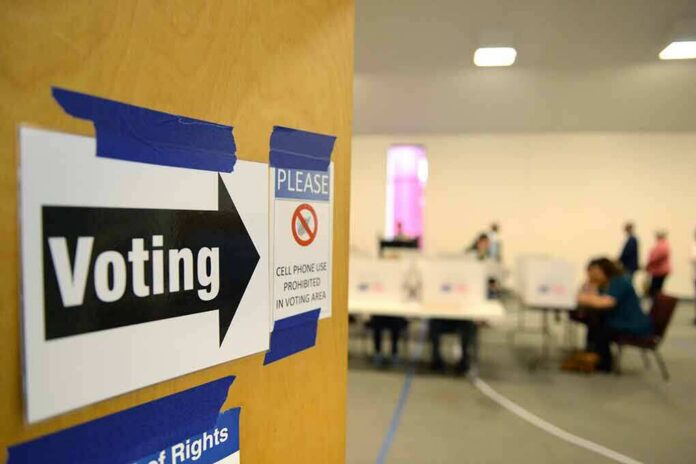
Hennepin County charged James O’Keefe and Cam Higby with unlawful voting and identity crimes after an August 11 primary-day operation in Minneapolis. The criminal complaint, as described in local reporting, says the pair went to at least three polling places and gave election judges names of real registered voters without those voters’ consent. Reports say the men filmed the interactions and posted video online, providing prosecutors with potential audiovisual evidence of their words and actions.
County Attorney Mary Moriarty’s office has argued the offense began when the men presented themselves under other voters’ names while seeking to start the ballot process. That theory relies on a Minnesota statute that can treat obtaining or attempting to obtain a ballot by impersonation as unlawful voting, even if no ballot is finally cast. Prosecutors say the case is about identity misrepresentation at the table, not a completed vote or signed oath.
What The Defendants Say They Did—And Did Not Do
James O’Keefe and Cam Higby say they never applied for ballots, never signed voter oaths, and walked out before touching any ballot materials. O’Keefe says they asked questions and posed hypotheticals to test Minnesota’s vouching procedure, which allows a registered voter to attest to another voter’s residence under penalty of perjury. Higby publicly stated, “I never voted, I never signed an affidavit, and I never violated a law”. O’Keefe calls the charges an effort to criminalize investigative journalism.
The men also frame the operation as a warning about system gaps rather than an attempt to cast illegal votes. They argue their videos show clerks explaining the rules, and that they stopped when told an oath would be required to move forward. Their account sets up a direct clash with the charging theory: whether speaking a real voter’s name to a poll worker, during questions, is a crime or protected newsgathering that never crossed the legal line into an “attempt”.
How Minnesota’s Vouching Rule Actually Works
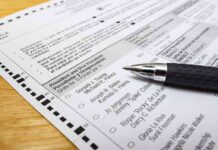
Minnesota permits a registered voter from the same precinct to vouch for another person’s residence on Election Day. The person registering must still provide identity information, such as a Minnesota identification number or the last four digits of a Social Security number, while the voucher signs under penalty of perjury. State officials say vouching is not a substitute for identity checks and is used by a small share of voters, often those who moved and have not updated their address.
Hmm…while the Petola campaign might be under deserved scrutiny in Alaska, we also have this going on…
—
Two conservative activists who filmed themselves at Minnesota polling places during the state’s August primary have been charged with unlawful voting and identity theft,…— DaniV 🇺🇦 🇺🇸 (@realDaniV) October 29, 2026
Fact checks after the August videos said the recordings misstated what vouching allows and how identity is verified in practice. That context matters because this case turns on two linked questions: how election workers are trained to apply the rule, and whether a stress test that names real voters but stops before an oath is a crime or a protected probe. The answer will shape how far undercover “tests” can go inside polling places before they become chargeable conduct.
Why This Case Matters Beyond Minnesota
The charges arrive in a climate where both parties accuse “the system” of failing voters. Many Americans see elites who police speech and process while missing basic security or fairness. Supporters of the prosecution will say rules mean little if impersonation at the table is treated as a harmless stunt. Supporters of the defense will say the government punishes reporters while ignoring deeper flaws. A court will now decide where the law draws that line, not social media.
What To Watch Next In Court And Policy
Watch for release of full complaints and statutory subsections, which will clarify whether the counts rest on identity theft, unlawful voting, or both. Expect motions on whether the men “attempted” to obtain ballots, and on protections for newsgathering inside polling places. Lawmakers may revisit how vouching is explained to voters and poll workers, and whether training or forms can better separate questions from applications without chilling speech or legitimate press activity.
Sources:
thegatewaypundit.com, kmbc.com, okeefemediagroup.com, nytimes.com, abc7.com, usatoday.com, cbsnews.com, bbc.com, upi.com, reuters.com