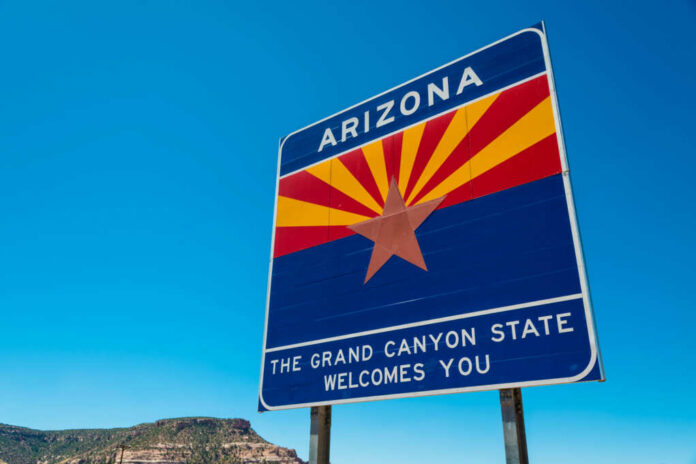
Federal authorities shut down a 79-meter clandestine tunnel in Nogales, Arizona—one of the longest smuggling passages discovered in recent years—exposing yet again how cartels exploit America’s porous border infrastructure while politicians debate instead of act.
Story Snapshot
- A 259-foot tunnel connecting Mexico to Arizona was discovered and shut down in early 2026, surpassing many prior Nogales discoveries
- The tunnel likely facilitated drug smuggling through Nogales’ interconnected drainage systems, a known cartel vulnerability
- This discovery follows a January 2025 shutdown of a 40-meter tunnel under the Rio Grande, indicating escalating sophistication
- Department of Homeland Security leads enforcement efforts, yet persistent tunnel discoveries reveal the enduring border security challenge
Another Tunnel, Another Failure of Border Security
The Department of Homeland Security discovered and closed a 79-meter tunnel stretching from Mexico into Nogales, Arizona, in early 2026. At approximately 259 feet, this clandestine passage exceeds the length of many prior discoveries in the area, including an 82-foot tunnel shut down in December 2019 and a 29-foot incomplete passage found during routine bi-national sweeps. Specific details about arrests, seizures, or the exact shutdown date remain undisclosed in initial federal reports, though the tunnel’s scale suggests substantial cartel investment in smuggling infrastructure.
Nogales Drainage Systems Remain Cartel Gateway
Nogales, straddling the Arizona-Sonora border, features shared wastewater and drainage systems beneath both cities, creating persistent vulnerabilities for smuggling operations. Cartels have exploited these urban infrastructure networks since at least the early 2000s, constructing tunnels from Mexican homes or drainage points into U.S. pipelines and sewers. The December 2019 tunnel originated from a Morley Avenue residence and led to a wastewater pipeline, yielding seizures of methamphetamine, heroin, cocaine, and fentanyl—marking the third such discovery that month. Routine joint inspections by U.S. and Mexican authorities continue uncovering incomplete passages, yet completed tunnels like the recent 79-meter corridor demonstrate cartels’ ability to operate undetected for extended periods.
Pattern of Sophisticated Smuggling Infrastructure
The 79-meter Nogales tunnel follows a troubling trend of increasingly sophisticated cross-border smuggling operations. In January 2025, federal agents shut down a 40-meter tunnel submerged under the Rio Grande, differing from Nogales’ urban drainage focus but signaling cartels’ adaptability in exploiting geographic and infrastructural weaknesses. Historical precedents show tunnels discovered monthly in 2019 near Nogales, with some facilitating multi-ton drug hauls tied directly to the opioid crisis devastating American communities. Border security analysts note that while bi-national sweeps prove effective for detecting incomplete tunnels, completed passages like this one underscore the limitations of current enforcement strategies against well-funded criminal organizations.
Disruption Comes with Enduring Challenges
Shutting down the 79-meter tunnel disrupts immediate smuggling routes, potentially forcing cartels to shift operations to other border areas or explore alternatives like maritime trafficking. Short-term benefits include reduced fentanyl inflows into U.S. communities and economic strain on cartel logistics. Long-term implications remain sobering: persistent tunnel discoveries indicate that despite advancing detection technology and increased federal resources, smuggling networks adapt and rebuild rapidly. Nogales border communities face heightened security measures, while American families nationwide continue suffering from drug overdoses tied to substances transported through such passages. This cycle of discovery and adaptation raises fundamental questions about whether current border enforcement frameworks can ever match the determination and resources of organized criminal enterprises.
The federal government’s pattern of reactive tunnel shutdowns, rather than proactive prevention, reflects broader frustrations Americans share about border policy failures. While DHS agents work diligently to identify and close these passages, the underlying infrastructure vulnerabilities and insufficient border barriers enable cartels to continue investing in new tunnels. Politicians debate immigration policy while communities deal with the consequences of drugs flowing through sophisticated underground networks. Until elected officials prioritize comprehensive border security over political posturing, discoveries like the 79-meter Nogales tunnel will remain symptoms of a system failing ordinary citizens on both sides of the political spectrum.
Sources:
Border Tunnel Found in Nogales Drainage System
Federal Authorities Shut Down a 79-Meter-Long Clandestine Tunnel in Nogales Leading to the US