
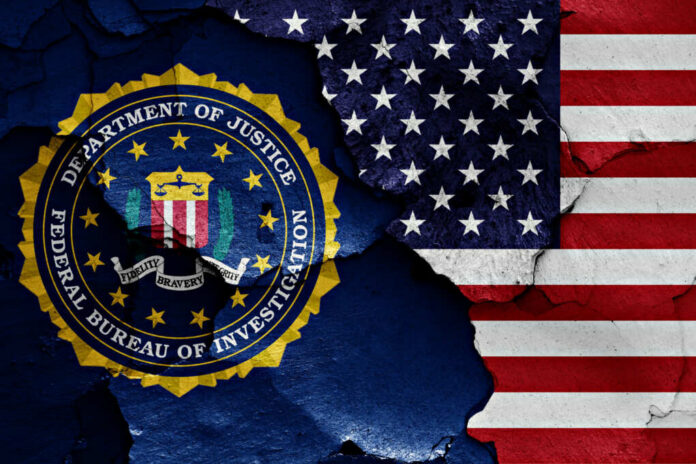
Chinese hackers infiltrated FBI surveillance systems in the U.S. Virgin Islands, exposing law enforcement targets and personally identifiable information in what officials now classify as a “major incident” threatening national security—yet another breach under the Trump administration as Americans question whether our defenses can withstand an adversary outnumbering our cyber resources 50-to-1.
Story Snapshot
- FBI notified Congress that China-linked hackers breached sensitive surveillance systems in the U.S. Virgin Islands, accessing law enforcement target lists and personal data via commercial ISP vendor infrastructure
- The intrusion is classified as a “major incident” under federal law, indicating demonstrable harm risk to national security as full scope and containment status remain undisclosed
- This breach joins a pattern of Chinese cyber operations including Volt Typhoon and Salt Typhoon, which targeted critical infrastructure and previously compromised Trump communications and FBI wiretap data
- FBI officials warn that Chinese hackers outnumber U.S. cyber defenders 50-to-1, positioning themselves to disrupt water grids, energy systems, and ports during potential conflicts
FBI Systems Compromised Through Vendor Exploitation
The FBI detected suspicious activity in early March 2026 within its Virgin Islands surveillance infrastructure, promptly alerting Congress on March 4. Investigators traced the intrusion to Chinese state-linked hackers who exploited a commercial internet service provider’s systems to access pen register and trap-and-trace data. This metadata reveals who the FBI surveils and personally identifiable information about targets, though not the actual content of communications. The bureau formally designated the breach a “major incident” under the Federal Information Security Modernization Act in late March, triggering mandatory congressional notification within seven days due to the demonstrable harm risk.
Continuing Pattern of Chinese Infrastructure Attacks
This Virgin Islands breach represents the latest escalation in a sustained Chinese cyber campaign against American systems. Previous operations include Volt Typhoon, active since mid-2021, which infiltrated ports, water facilities, energy grids, and areas near Guam’s Andersen Air Force Base to preposition for potential disruption during crises. Salt Typhoon, uncovered in late 2024, siphoned millions of call records and FBI wiretap information from telecommunications providers, including unencrypted communications from President Trump’s first term. Microsoft analysts warned that Volt Typhoon capabilities could sever U.S.-Asia communications infrastructure during Taiwan-related conflicts, demonstrating Beijing’s strategic intent beyond mere espionage.
Surveillance Data Exposes Counterintelligence Vulnerabilities
The compromised pen register and trap-and-trace data provides Chinese intelligence services a roadmap of FBI investigative priorities and target identities. This metadata exposure allows adversaries to identify which individuals, organizations, or activities draw federal law enforcement scrutiny, enabling countermeasures to protect their operations or personnel. Senator Mark Warner of Virginia, vice chair of the Senate Intelligence Committee, emphasized that the threat from sophisticated adversaries like China grows “more aggressive,” with adversaries “consistently able to penetrate” sensitive American systems. The breach occurred separate from an Iranian hack targeting FBI Director emails, underscoring multiple fronts in the cyber threat landscape facing federal agencies.
Resource Imbalance Fuels National Security Concerns
FBI Director testimony to Congress highlighted a stark numerical disadvantage: Chinese government hackers outnumber FBI cyber personnel by a ratio of 50-to-1. This asymmetry grants Beijing overwhelming capacity to probe American defenses across critical infrastructure sectors simultaneously. The Justice Department and FBI have disrupted some operations, including neutralizing Volt Typhoon’s botnet infrastructure in recent months. However, the continuous penetration of federal systems demonstrates that defensive measures struggle to keep pace with Chinese offensive capabilities. Early March White House meetings convened FBI, NSA, and CISA officials to coordinate responses, yet the full containment status of the Virgin Islands breach remains publicly undisclosed.
The breach surfaces as tensions escalate between Washington and Beijing, with a Trump-Xi summit scheduled for May 2026. Chinese military activities near Taiwan and Guam compound concerns about infrastructure vulnerabilities that hackers could exploit to create “real-world harm”—disrupting water treatment plants, electrical grids, or pipeline operations during geopolitical crises. Federal cybersecurity agencies have issued alerts about Chinese-made drones that could expose additional infrastructure data to PRC intelligence services. For Americans already frustrated with government failures to secure borders and spending, the revelation that foreign adversaries routinely penetrate federal law enforcement systems raises fundamental questions about whether Washington prioritizes protecting citizens over diplomatic niceties with hostile powers.
Sources:
FBI Tells Congress Chinese Hackers Breached Its Systems In ‘Major Incident’ – WBZ NewsRadio
FBI Hack Surveillance System Major Incident – Politico
Chinese Hackers Pose Danger American Infrastructure Innovation FBI Director Warning – CBS News