Auburn University student Weston Higginbotham’s death in Japan has turned a missing-person search into a stark reminder of how quickly uncertainty can outrun facts.
Story Snapshot
- His mother said a volunteer search-and-rescue team found his body in a mountainous area outside Kyoto.[3]
- Reporting says he was last seen on May 29 near Yamashina Station after separating from his family.[1][2]
- Authorities had not immediately released a cause of death, leaving key questions unanswered.[3]
- The case drew a large search effort involving police, helicopters, dogs, and volunteers.[2][3]
What the Family Confirmed
According to reports from multiple outlets, Nancy Higginbotham said on Facebook that her son was found deceased by a volunteer search-and-rescue group in a mountainous area outside Kyoto.[1][2][3] The family’s statement brought the search to a tragic end, but it did not explain how he died.[3] That distinction matters, because confirmation of recovery is not the same as a forensic explanation of the death.
Coverage indicates that Weston had been traveling in Japan with his parents and brother when he disappeared in late May.[2][3] One report said he was last seen near Yamashina Station in Kyoto after separating from relatives, and that his phone’s location stopped updating shortly afterward.[1][2] Those details help establish a disappearance timeline, but they do not establish what happened after he was last seen.
Search Effort Across Kyoto
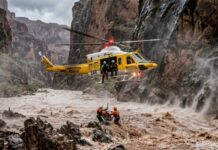
The search expanded into a broad recovery operation rather than a simple family inquiry. Reporting said Japanese police, dogs, helicopters, and volunteers were involved, with one account describing more than 100 officers taking part.[2][3] That scale suggests authorities treated the case as serious and active, especially in terrain that can make searches slow and difficult. It also shows how fast a missing-person case can become a cross-border logistical challenge.
Some reporting noted that the search was complicated by steep terrain and severe weather, including a typhoon that moved through the region during the operation.[2] The public record still leaves important gaps, including no immediate official cause of death and no released forensic summary.[3] In cases like this, families often speak first because they are desperate for help, while official agencies move more slowly and release less information at the outset.
Why This Case Resonates
The Higginbotham case reflects a broader frustration many Americans have with institutions that seem to close the story before the evidence is fully public. The family had to rely on social media, volunteers, and media coverage to keep attention on the search, while the main unanswered question remained the same: what actually caused the death.[1][2][3] That gap between public emotion and official documentation is where speculation usually begins.
🚨 TRAGIC UPDATE: Auburn University student James Weston Higginbotham has been found dead in a remote mountainous area outside Kyoto, Japan, his mother confirmed.
The student had reportedly split off from his family during their trip, sparking concern and a search effort.… pic.twitter.com/yFqUwzJEFz
— Truth Updates (@TruthUpdates_X) June 7, 2026
For readers, the most important takeaway is simple. The student’s body has been found, but the case is not fully explained.[3] The known facts point to a disappearance during a family trip, a large search operation, and a recovery outside Kyoto, yet they do not provide a final medical or investigative account. Until officials release more, the public has confirmation of loss, not a complete account of how that loss occurred.
Sources:
[1] YouTube – Missing Auburn University student found dead in Japan, mother says
[2] Web – Auburn student Weston Higginbotham found dead in Japan after weeklong …
[3] Web – American college student who went missing in Japan is found dead, …