
Colombia’s government moved fast after a 7.4-magnitude earthquake left homes collapsed, people trapped, and emergency teams racing to the hardest-hit cities.
Quick Take
- The quake struck western Colombia early Monday and shook cities far beyond the epicenter.
- Officials reported collapsed buildings, landslides, airport disruptions, and damage to hospitals and schools.
- President Abelardo de la Espriella declared a state of emergency and said the government was deploying all available resources.
- Search-and-rescue work continued as the death toll and damage totals kept rising.
What Happened in the First Hours
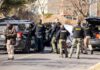
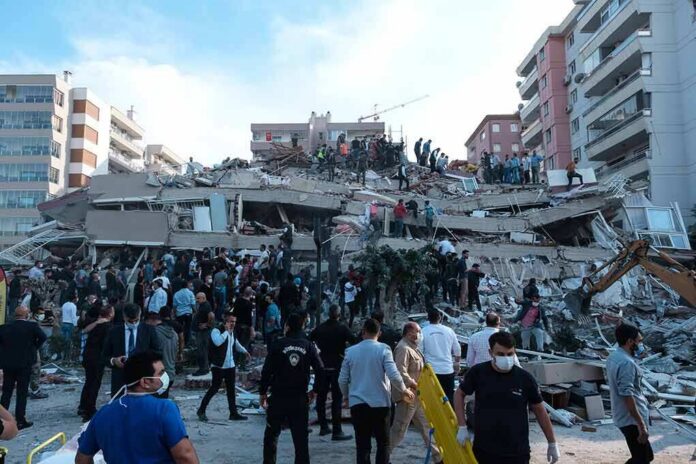
A powerful earthquake struck western Colombia on Monday morning and sent residents fleeing into the streets in Bogotá and other cities. Early reports described major damage in Chocó and visible collapse in places such as Manizales, Pereira, and Cali. The quake hit at 7:34 a.m. local time and quickly became a national emergency because people were still trapped under rubble as crews searched for survivors.
Officials said the shaking damaged homes, buildings, roads, and essential public services. The United Nations reported 1,575 homes damaged, 37 destroyed, and 61 buildings collapsed, along with damage to 18 health centers and 52 schools. In Cali, authorities reported landslides and asked for reinforcements to speed rescue work. In several cities, flights were suspended while officials checked runways, terminals, and other infrastructure.
Why the Government Declared an Emergency
President Abelardo de la Espriella declared a state of emergency after the quake, saying the national government had all of its capabilities deployed to protect lives and help affected communities. That response fits Colombia’s disaster rules, which allow emergency declarations when damage overwhelms local and regional resources. The decision also gave the central government room to move money, coordinate agencies, and speed relief to places that could not handle the crisis alone.
The declaration came while casualty counts were still changing fast, which is common after major quakes. Reports through the day ranged from dozens dead to more than 100, with the United Nations later saying at least 111 people had died. That wide spread does not weaken the emergency response. It shows how quickly officials must act before rescue crews finish reaching blocked streets, collapsed homes, and damaged hospitals.
What Comes Next for Rescue and Recovery
Search teams kept working through the rubble as local leaders asked for more help and more equipment. The United Nations said it had teams on the ground in some of the hardest-hit areas and could support food, health, water, sanitation, and protection needs. The government also continued to assess damage and needs across affected areas while emergency mechanisms stayed active. That next phase will likely focus on shelter, transport, and restoring basic services.
The quake also exposed a familiar problem in disaster response: the first day is often a race against confusion. Families want answers, mayors want rescuers, and national leaders must make decisions before the full picture is known. In a country where public trust is often thin, the speed of the response matters almost as much as the final death toll. For now, Colombia’s challenge is simple to say and hard to do: find the missing, treat the injured, and keep the response moving.
Sources:
insiderpaper.com, nytimes.com, colombiaone.com, abcnews.com, roic.ai, youtube.com, facebook.com, ifmnoticias.com