
Republicans have built their midterm plan around President Trump headlining a first-ever party “midterm convention” to drive base turnout.
Story Highlights
- Trump told voters to “pretend I’m on the ballot,” making the midterms a referendum on him.
- GOP leaders say the Dallas event aimed to “fire up the base” and boost turnout and volunteers.
- Analysts warn midterms face a built-in turnout drop that hits occasional voters hardest.
- Trump signaled big personal spending and pledged heavy travel in key House and Senate races.
Trump-Centered Strategy Takes Shape In Dallas
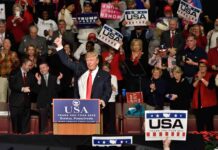
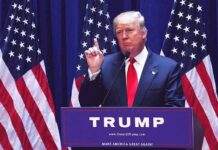
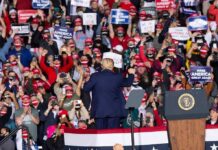
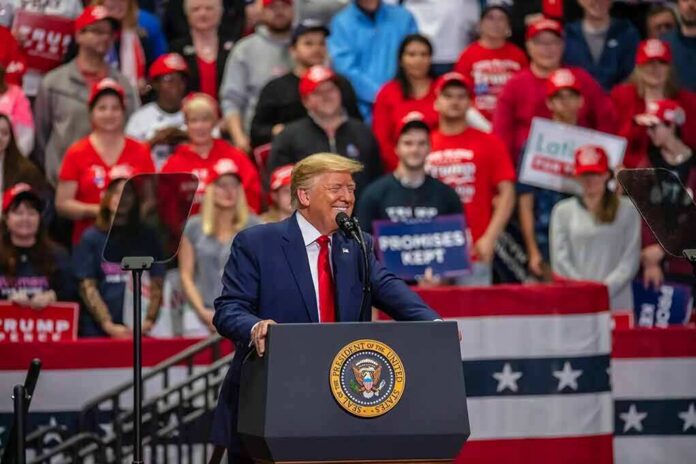
President Trump used the Republican Party’s first midterm convention in Dallas to turn the fall elections into a personal test. He urged voters to act as if his name were on every ballot, saying the stakes match a presidential year. Organizers opened the event to the public and pitched it as a turnout spark for November. The format featured House hopefuls and sitting Republicans who need a base wave to offset likely drop-off from casual voters.
Party figures framed the goal in simple terms: excite Republicans and convert that energy into votes, donations, and volunteers. Utah Representative Celeste Maloy said the convention aimed to “fire up the base” and even send supporters to swing districts where races look tight. The message targeted “Make America Great Again” voters who turn out for Trump in presidential years but often skip midterms when he is not on the ballot.
Money, Travel, And A Referendum Frame
Republicans are counting on Trump’s time and money to lift vulnerable incumbents. Reporting says Trump approved pouring millions from his political fund to aid at-risk races this fall. Separate coverage says he plans to personally campaign in dozens of contests in the final stretch, signaling heavy travel and attention to close House and Senate fights. The convention’s programming supported that push, with frequent calls to pledge to vote and bring family and friends to the polls.
The Dallas event also leaned on spectacle to project momentum. Backers touted large expected attendance numbers and a packed arena vibe to convey strength to activists and donors. Trump himself pushed back on claims of empty seats, arguing the enthusiasm was real and the base remains engaged. Whether that energy translates into door knocks, small-dollar donations, and absentee returns will decide how much lift candidates get down ballot.
The Midterm Math Trump Must Beat
History shows a sharp turnout drop from presidential to midterm elections, often around 15 percentage points nationwide. That decline usually pulls in a smaller, older, and more politically engaged electorate. Campaign scholars call this “surge and decline,” which warns that voters drawn in by a president often fade in the next midterm, softening any coattail effect. That pattern makes a Trump-centered turnout plan a high-visibility bet against a stubborn structural headwind.
Republican strategists argue the risk is worth it because Trump can activate low-propensity supporters who otherwise stay home. Some analysts agree that this unique slice of the electorate responds to Trump’s direct appeals and event-driven hype. Others caution that relying on rare voters demands constant contact, simple messages, and clear stakes. GOP planners say they will focus on economic themes and national security calm to fit what these voters say they want this year.
What Voters On Both Sides Are Watching
Democrats and Republicans both see the same core test: who shows up. For Republicans, the plan hinges on a president-led tour, fast funding, and a pledge culture that moves supporters from rallies to polling places. For Democrats, the path runs through steady midterm loyalists and any suburban or working-class voters who feel left out by Washington. Both parties know many Americans doubt that the federal government serves them well, and turnout will reflect that frustration.
Sources:
theamericanconservative.com, theguardian.com, cnn.com, reuters.com, yahoo.com, foxnews.com, thehill.com, politico.com, pbs.org, bostonglobe.com, columbia.edu, watchdogreport.org