
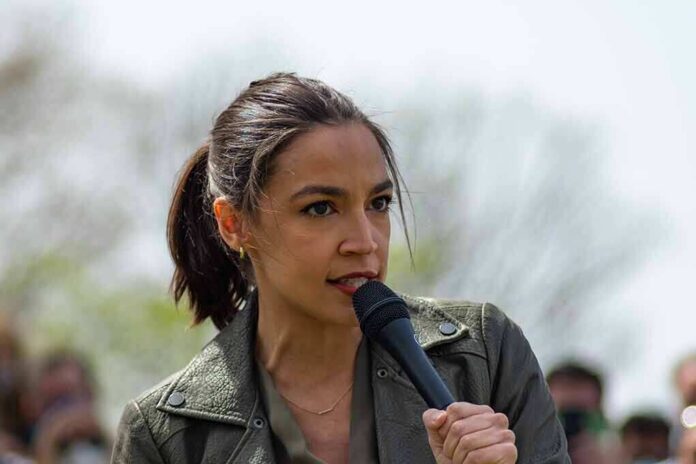
A Federal Election Commission filing review says Rep. Alexandria Ocasio-Cortez’s campaign spent about $47,000 on 45 upscale hotel stays, stoking fresh anger over political double standards.
Story Highlights
- Reports cite Federal Election Commission data showing about $47,000 across 45 hotel charges since April.
- Spending reportedly includes stays at properties described as luxury or upper-upscale.
- A campaign aide has argued past Puerto Rico hotel costs covered events, staff, and security, not personal luxuries.
- Federal rules allow campaign travel tied to campaign work but bar personal use, judged case by case.
What filings and reports say about the hotel spending
The New York Post reported, based on Federal Election Commission filings, that Rep. Alexandria Ocasio-Cortez’s campaign listed about $47,000 for 45 hotel stays nationwide since April. Other outlets repeated that figure and highlighted properties marketed as luxury or upper-upscale. The reports name specific hotels and totals and frame the purchases as at odds with her “Tax the Rich” message. The filings themselves set the baseline facts: the campaign paid vendors for lodging tied to political travel and events.
The coverage emphasizes several large single charges. Examples cited include a roughly $5,000 stay at The Memphian in Memphis and several thousand dollars at The Candler Hotel in Atlanta. These numbers sound high to everyday travelers. But one line item can cover more than one room, multiple nights, staff lodging, and taxes. Filings usually list totals paid to a hotel, not a per-night, per-room breakdown, which limits what we can infer from one entry.
What campaign finance rules actually permit
Federal election law bans converting campaign funds to personal use. The Federal Election Commission uses an “irrespective test” to judge a cost: would it exist even if the person were not running or in office? If yes, it is not allowed. Travel for campaign events can be paid with campaign funds, but the Commission reviews travel and lodging case by case to ensure the spending is campaign-related, not personal. One advisory update explains that lodging tied to campaign activity can be permissible under this standard.
That legal line matters here. The reports raise three different issues that people often merge: did the charges happen, were they lawful, and do they clash with a political brand. The filings and press accounts support that the charges occurred. Whether they are legal depends on facts not in the stories, like room counts, staff needs, security, and event schedules, which the Federal Election Commission weighs by circumstance. The political question is separate and depends on how voters judge alignment with her message.
How the campaign responds and what is still unclear
Past pushback from the campaign has said Puerto Rico hotel costs covered recurring travel, events, staff, and security, not personal luxuries. A campaign manager said those trips supported local causes and grassroots organizing, which are typical reasons for campaign travel and lodging. That defense, if accurate and documented, would fit the legal allowance for travel tied to campaign activity. It does not, by itself, settle the optics question with voters who expect frugality.
AOC's spending spree: How Democrat 'Champagne socialist' has been splurging thousands from campaign funds on luxury hotels and chauffeur services
AOC BUSTED In MASSIVE Financial Probe & Her Supporters Are RAGING https://t.co/nXQ9hOE7Mu
— Andro Uber Alles (@Andro_UberAlles) October 24, 2026
Key gaps remain. The public reports do not show nightly rates, number of rooms, or how many staff or security personnel stayed. They also do not show comparable quotes for cheaper options in the same cities and dates. Without those details, it is hard to judge whether the campaign could have met its needs at a lower cost. The Federal Election Commission can seek more information if a complaint is filed or if a routine review flags concerns.
Why this story resonates across party lines
Voters in both parties say the political class often plays by a different set of rules. When a politician who attacks “the rich” pays for upscale hotels with donor money, many see a system that serves insiders first. Supporters may argue modern campaigns require secure, on-site lodging near venues. Critics may ask why less expensive hotels or group rates were not used. Both views reflect a deeper worry that public promises and private choices do not match.
Campaign travel controversies are common because they sit in a gray zone. Lodging is necessary for rallies, security, and staff work. Yet price and property choice send a message about values. The fairest test is simple and hard: did the campaign pick options that met safety and logistics needs at a reasonable cost? The filings confirm spending totals. The law sets a clear standard. The rest is accountability—showing receipts, explaining choices, and letting voters decide.
Sources:
thegatewaypundit.com, derechadiario.com.ar, dailymail.com, nypost.com, americanwirenews.com