
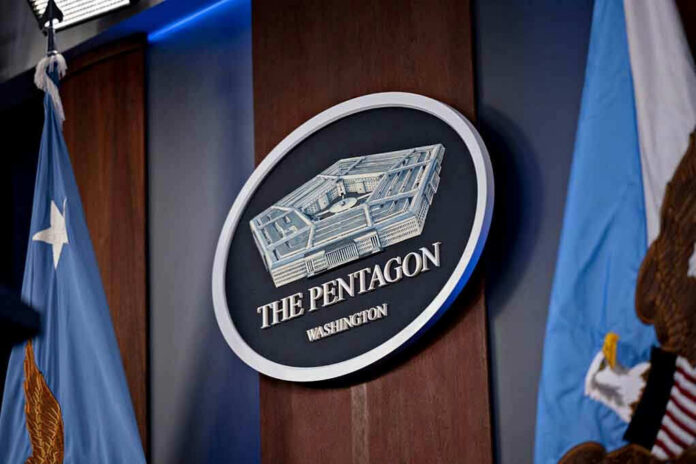
House conservatives moved to impeach Defense Secretary Pete Hegseth over alleged unlawful Iran war actions, thrusting war powers and accountability back to center stage.
Story Snapshot
- Rep. Thomas Massie filed eight impeachment articles alleging unlawful hostilities against Iran.
- Hegseth says every operation was lawful, ordered by President Trump, and reported to Congress.
- A House vote could come quickly, testing Congress’s resolve on war powers enforcement.
- The clash revives a 50-year fight over who decides when America goes to war.
What Massie Alleges And Why It Matters
Rep. Thomas Massie introduced eight articles of impeachment accusing Defense Secretary Pete Hegseth of directing United States forces in hostilities against Iran without proper congressional authorization. The resolution cites specific dates, including February 28 and June 26, 2026, to argue Hegseth continued hostilities despite congressional action. The filing puts Congress’s war powers on the line and seeks removal for abuse of office tied to unauthorized war-making.
Public attention now shifts to the House schedule and vote count. Reports say leaders could bring the matter to the floor quickly, reflecting political pressure after a tough election cycle and voter anger over the Iran conflict. A fast vote would force members to take a clear stand on executive war powers and Cabinet accountability while their constituents watch closely.
Hegseth’s Defense: Lawful Orders, Reported To Congress
Pete Hegseth rejects the charges and calls the effort a political spectacle. He says each operation was lawful, ordered by the commander in chief, issued by him through the chain of command, and reported to Congress. He adds he stands by every mission and would authorize them again. He frames the dispute as policy disagreement, best settled by debate, laws, and elections, not impeachment trials.
Support inside the administration has been vocal. Secretary of State Marco Rubio defended the president’s authority to act against imminent threats to the United States and said Hegseth executed a direct order from President Trump. That defense underscores the executive branch view that swift action is often necessary, and that war powers statutes should not block immediate defense measures.
The Larger War Powers Fight Congress Cannot Avoid
The clash lands in a long fight over who decides when the nation uses force. The War Powers Resolution of 1973 set timelines and reporting rules to check unilateral wars. In practice, presidents of both parties have pushed the limits, and Congress has struggled to enforce the law or agree on what counts as “hostilities.” The Hegseth case could test whether impeachment becomes a tool to enforce those limits when other levers fail.
History shows lawmakers have used courts and resolutions to challenge presidential uses of force, with mixed results. Lawsuits have often failed, and funding votes arrive late, after troops deploy. That pattern feeds public distrust that Washington evades accountability while costs mount. If the House advances impeachment, it signals a rare step to make war powers real rather than rhetorical.
What Both Sides Of The Aisle Are Watching
Voters across the spectrum see a familiar pattern: secretive decisions, unclear goals, and blurred lines on lawful force. Conservatives wary of endless deployments want proof operations followed the law. Liberals focused on civilian harm and checks on power want Congress to assert its role. Both want fewer shadow wars and more straight answers. This vote will show whether the House stands up to the executive or shrinks from a hard choice.
🚨 BREAKING: Defense Secretary Pete Hegseth is facing a major political showdown in Congress.
Republican Rep. Thomas Massie has introduced eight articles of impeachment against Hegseth, accusing him of unlawful military actions involving Iran, Venezuela and Yemen.
Hegseth… pic.twitter.com/RqnT9aHGHe
— Breaking News (@dmoritz08151) November 10, 2026
Outcomes hinge on facts and definitions. If the House accepts Massie’s timeline and legal framing, it could argue Hegseth defied Congress. If members accept Hegseth’s account of lawful orders and proper notice, they may view this as policy friction. Either way, the case spotlights a core civic test: can elected leaders set clear limits on war and then enforce them when the chain of command pushes beyond them?
Sources:
twitchy.com, cnbc.com, detroitnews.com, nytimes.com, bbc.com, latimes.com