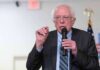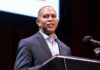

Abdul El-Sayed won Michigan’s open U.S. Senate seat and immediately used his platform to swipe at Mike Rogers, Vice President JD Vance, and President Trump’s agenda, signaling a sharper fight over power and priorities in Washington.
Story Highlights
- News outlets projected Democrat Abdul El-Sayed defeated Republican Mike Rogers for Michigan’s open Senate seat.
- Live results showed El-Sayed leading by several points with most votes counted.
- Reports said he will be the first Muslim American elected to the U.S. Senate.
- The victory adds a new voice to Senate battles under Republican control of Congress.
What Happened In Michigan’s Senate Race
NPR, citing the Associated Press, reported that Democrat Abdul El-Sayed won Michigan’s U.S. Senate race over Republican Mike Rogers on November 4, 2026. CNN’s state results page showed El-Sayed ahead by several points with more than four-fifths of votes counted when the race was called. The contest filled an open seat as retiring Democratic Senator Gary Peters left office, making this a pickup defense, not an incumbent re-election. Networks relied on established methods for projecting winners before certification.
The reported margins varied across outlets because they updated at different times and used different estimates of ballots outstanding. Despite those differences, the direction was consistent: El-Sayed led Rogers by a clear margin when major outlets called the race. Formal state certification will finalize exact totals later, as happens in every election cycle. That legal step will lock in county-level counts, late-arriving valid absentee ballots, and any resolved challenges.
Why This Win Matters Nationally
The victory lands in a Washington where President Trump holds the White House and Republicans control both chambers. El-Sayed’s arrival means Democrats gain a high-profile organizer and communicator shaped by Michigan’s mix of auto jobs, union roots, and changing suburbs. Coverage described national stakes, as both parties vie for leverage on spending, border policy, and energy costs that hit family budgets. Michigan’s result feeds that fight because it affects committee seats and close vote math.
El-Sayed’s identity also drew attention. Several outlets reported he will be the first Muslim American elected to the U.S. Senate. That milestone comes after two decades of expanding religious and ethnic diversity in Congress, including the first Muslim member elected to the U.S. House in 2006. The claim rests on widely repeated news reporting; an official historian record would be the final word, but the media consensus is strong at this stage.
The Open Seat And The Road Ahead
NBC News tracked the contest as a race to replace Senator Gary Peters, turning it into a pure contrast of agendas and records rather than a referendum on an incumbent. Rogers ran as a national security-focused former congressman, while El-Sayed leaned on a public health and populist message. The mix set up sharp lines on border enforcement, energy policy, and health costs—issues that both older conservatives and liberals say Washington keeps failing to fix.
After the call, El-Sayed took aim at Rogers and broadened his critique to Vice President JD Vance and President Trump’s direction. That posture previews louder clashes over cost of living, oversight, and who government serves. Voters across parties say elites look after themselves while families struggle with prices, pay, and chaos in basic services. Michigan’s new senator will face fast tests: funding deadlines, negotiations over border and fentanyl, and industry-policy fights tied to autos and energy.
Sources:
youtube.com, cnn.com, beaconjournal.com, al-monitor.com, tallahassee.com, adn.com