
On the eve of Michigan’s first Senate debate, President Trump called Democrat Abdul El-Sayed “Mohammed” and tied him to “jihad” and “terrorists,” putting identity at the center of a high-stakes race.
Story Highlights
- Trump altered El-Sayed’s name and linked him to terrorism before the first Michigan Senate debate.
- Republican messaging also stressed El-Sayed’s full Arabic name and alleged extremist ties.
- El-Sayed said the focus on his name and faith is a distraction from policy harms.
- Republicans say the issue is his views and associations, not his religion or heritage.
What Happened Before the Debate
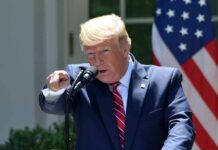
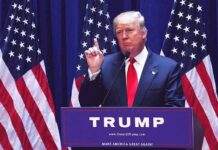
On October 7, the night before Abdul El-Sayed and Republican nominee Mike Rogers met for their first debate, President Trump posted on social media and called El-Sayed “Mohammed,” labeled him a “RADICAL Extremist, Terrorist Sympathizer,” and said he “goes back to the days of the Jihad,” according to reports from PBS, The Hill, and The Detroit News. The timing mattered. The attack framed the contest right as many voters were about to tune in, ensuring the name and terrorism labels set the stage.
El-Sayed, a Michigan-born Muslim son of Egyptian immigrants, answered that Trump “knows my name” and was using his name and faith to distract from policy harms, including costs families face today. The exchange highlighted more than a spelling fight. It showed how national voices can push identity cues into the spotlight at the exact moment when citizens expect a debate on jobs, safety, health care, borders, and energy prices.
How Republicans Framed the Candidate
After El-Sayed won the Democratic primary, national Republicans used his extended name “Abdulrahman Mohamed El-Sayed” in messaging, while some allies charged him with being a “RADICAL ISLAMIST” and “TERRORIST,” according to CNN’s account of those materials and statements. Semafor reported that Republicans also raised claims about ties to the Muslim Brotherhood, and linked him and his family background to alleged extremist organizations. These messages blended identity signals with allegations about foreign groups.
During the first debate, Rogers accused El-Sayed of being “bought off by Hamas, Hezbollah, al-Qaeda” and raised funding claims involving groups that support those organizations. He also targeted El-Sayed’s mother by alleging her workplace was tied to an organization indicted for aiding al-Qaeda, according to debate coverage and summaries. Those debate moments kept the race focused on threats and foreign links, not only on taxes, manufacturing, or border measures.
How El-Sayed and Allies Pushed Back
El-Sayed argued that changing his name and pointing to his faith are tactics to make him seem foreign and untrustworthy so voters look away from core issues like costs, care, and wages. He said the attacks were not only about him but about many Americans who share his background and faith. Supporters framed the pattern as part of a longer trend where campaigns pair policy hits with cues about religion, foreignness, and security to stir fear and define a candidate before facts land.
Scholars have found that associative identity cues can overpower policy messages when they appear together, which helps explain why these tactics persist in modern races. That research does not prove intent in this case, but it shows how mixing names, religion, and terrorism labels with policy debate can shift what voters notice first. In today’s media rush, the first frame often wins attention, even if the details are still under review.
What Republicans Say Their Aim Is
Republicans deny that the point is El-Sayed’s religion or heritage. A Rogers spokesperson said the race is not about his name or how he prays, and the Republican National Committee chair linked Trump’s criticism to El-Sayed’s connection to a commentator’s remarks about Hamas, not to his faith. Senator Tim Scott said the focus is on what El-Sayed stands for, including alleged sympathy for Hamas and association with Hasan Piker, rather than on his identity.
This is an excellent compilation of El-Sayed's ties to the Muslim Brotherhood.
H/T @ChristinaNewstv#News Abdulrahman Mohamed El-Sayed claimed that he and his family do not have any ties to the M*slim Brotherhood, after Mike Rogers raised the issue in their Grand Rapids debate.…
— Patrick Colbeck✝️ (@pjcolbeck) October 12, 2026
Trump later acknowledged El-Sayed’s given name is Abdul but said he would call him what he wanted as president, according to The Independent’s report. The record does not include Republican strategists plainly stating a goal to portray El-Sayed as foreign. Still, the name change, the “jihad” talk, and the terror labels created a powerful signal at a key moment. Voters now must sort sharp claims about associations from actual proof and decide what matters most.
Why This Matters Beyond One Race
Americans across the spectrum feel leaders dodge hard problems. Many say elites in both parties protect power while families face rising bills, border stress, and uneven justice. When campaigns center a person’s name or faith, the debate shifts from solutions to fear. That move can help one side win a news cycle. It rarely helps citizens find fixes. Michigan’s race shows how fast identity talk can crowd out policy talk when the highest office adds a megaphone.
Sources:
youtube.com, pbs.org, thehill.com, apnews.com, semafor.com, cnn.com, usatoday.com, bbc.com, newsweek.com, independent.co.uk, academic.oup.com