
Florida deputies arrested a 21-year-old after she allegedly posted a threat to shoot President Trump at a Daytona Beach event.
Story Snapshot
- Deputies say an Instagram post threatened to shoot President Trump at a public event in Daytona Beach.
- Investigators identified the account holder as Allison Jeanne Albro and arrested her on a felony charge.
- Authorities report Albro admitted posting it but called it a joke; no gun was found in a home search.
- Florida law treats posted written threats to kill as a second-degree felony.
Arrest Tied To Alleged Instagram Threat
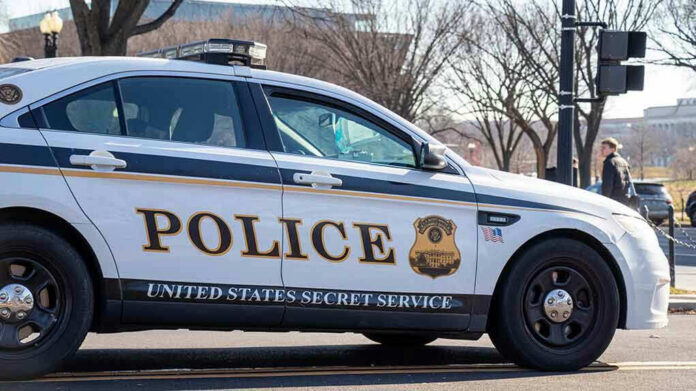
Volusia County deputies arrested Allison Jeanne Albro, age 21, after an alleged Instagram post threatened to shoot President Donald Trump at a Daytona Beach event. Investigators said the Federal Bureau of Investigation (FBI) alerted local authorities on the day of the rally. The Volusia Crime Center and detectives worked with the United States Secret Service. Sheriff Mike Chitwood later shared an image of the alleged threat. Albro was booked without bond on a charge of written threats to kill.
Detectives said Albro admitted to making the post during an interview, but she told them it was a joke and denied owning a firearm. Deputies said a consensual search of her residence found no guns, ammunition, or related gear. The agencies treated the message as a credible lead because it named a sitting president at a specific public event. Officials say such cases trigger immediate reviews to protect public safety at open venues.
What Florida Law Says About Posted Threats
Florida’s statute on written or electronic threats makes it a crime to send or post a message that threatens to kill or cause serious harm, when another person can view it. The law applies to social media posts and other electronic records and classifies violations as second-degree felonies. Florida courts have upheld applying this law to Facebook posts, confirming that public online messages can qualify as written threats under section 836.10 of state law.
First Amendment rules still matter in these cases. The Supreme Court has said “true threats” are not protected speech. Courts look for serious expressions of an intent to commit violence, and many states must show the speaker knew or should have known the words would be taken as a threat. That line can be hard to draw online, but police are expected to act fast when a threat targets a president at a live event.
Security Response And The Shared Public Concern
The FBI, the United States Secret Service, and local deputies coordinated quickly because presidential events draw large crowds and clear risks. Authorities often cannot wait to judge intent before moving to secure a site. That approach aims to stop harm before it happens, even if a suspect later claims a post was a joke. An arrest is a charge, not a conviction, but it signals the system’s duty to act on explicit threats.
Many readers on the right and left worry that the system misses real dangers yet overreaches on speech. This case shows the balance officials try to strike. The alleged post named President Trump and a place, which raised the stakes. The search found no weapon, which lowers the apparent capability. Florida law focuses on the words themselves when they threaten death. The courts will now test those facts against the statute and First Amendment standards.
Sources:
facebook.com, wftv.com, pubapps.fdc.myflorida.com, webapps.hcso.tampa.fl.us