
America’s top intelligence warning lands after years of U.S. cases tying Iranian security officials to plots on American soil, including an alleged murder-for-hire scheme in New York.
Story Snapshot
- Federal indictments detail Iranian-directed plots from kidnapping to murder-for-hire in the United States.
- Justice Department named an Islamic Revolutionary Guard Corps general in a 2024 assassination conspiracy.
- U.S. B-1 bombers left a United Kingdom base amid a suspected Iran-linked threat, showing real-world caution.
- Public records show repeated targeting of dissidents; scope against U.S. personnel is less clear.
What the U.S. Government Has Documented
Justice Department filings describe a chain of alleged Iranian operations on American soil. A 2021 indictment charged an Iranian intelligence officer and others with planning to kidnap a U.S.-based journalist in Brooklyn, tying the plot to the Government of Iran. A 2023 federal case alleged that an Eastern European criminal group was hired to kill the same U.S. citizen after earlier plots failed. These cases outline surveillance, payments, and tasking meant to silence a critic inside the United States.
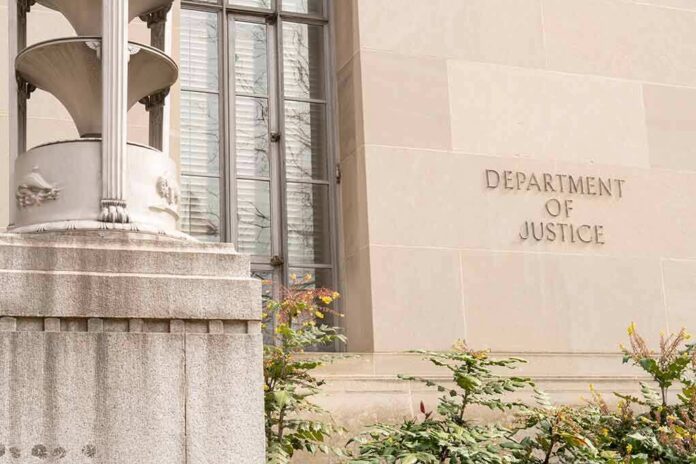
In 2024, prosecutors took a further step by naming senior leadership. The Justice Department announced murder-for-hire charges that identified an Islamic Revolutionary Guard Corps brigadier general and a former intelligence officer in a network that sought to assassinate a U.S. citizen who opposed Tehran. The U.S. Attorney in New York also detailed the alleged contracting of an Eastern European group to carry out the hit, which the office linked to prior targeting of the same person.
A Pattern Beyond One Case
The series of filings paints a picture of persistence. The documents span alleged activity in 2020, 2021, and 2022, and prosecutors say the same U.S. target faced repeated plots across years. This is not a single arrest or rumor. It is a sequence of cases that show similar goals and methods, from surveillance and intimidation to a paid killing attempt. The U.S. narrative centers on state-linked actors who direct criminal partners to reach victims seen as threats.
Officials abroad also acted as if a new threat was real. Reporting from the United Kingdom said all 12 U.S. B-1 bombers left Royal Air Force Fairford amid suspected Iran-linked plotting. Authorities made arrests near the base, and U.S. officials confirmed the bombers redeployed to home stations. Those moves show how military leaders weigh risk. When a base or crew looks exposed, commanders shift assets and tighten security, even while investigations continue.
What We Know—and What We Do Not
Public cases show strong evidence of operations against dissidents and U.S. residents. That supports the warning that Iranian actors can reach into the United States. But the record does not spell out how often Iranian networks target U.S. service members or diplomats compared with journalists and activists. The cases name one repeated victim and a clear set of suspects, yet they do not provide a broad count of plots across years or regions.
US intelligence has warned that Iran has substantially increased efforts to target American personnel abroad, with alleged plots to kill US citizens reaching advanced stages in the Middle East and other countries, according to an unclassified memo from Director of National…
— BasNews English (@EnglishBasNews) October 24, 2026
The bottom line for readers left and right is simple. The government cites real cases, real names, and real steps to protect forces. That should matter in a country tired of spin. At the same time, leaders should share more data where they can. Clear numbers on incidents, targets, and trends would help people judge risk without hype. When threats cross borders, sunlight builds trust, and trust is the best shield against fear—and against complacency.
How This Affects Everyday Americans
These cases reach beyond Washington. Plots aimed at journalists and activists strike at free speech and the right to live without fear. Military moves to guard aircrews can ripple into energy prices and travel, as deployments shift and tensions rise. People who worry about overreach also want candor and proof. Detailed court filings and named defendants meet that test better than slogans. When the state shows its work, citizens of every view can hold it to account—and stand together.
Sources:
cambridge.org, justice.gov, static.foxnews.com, pbs.org