
A new analysis argues many politically active Christians spotlight abortion and immigration while giving less electoral weight to poverty and refugee care, raising hard questions about moral priorities.
Story Snapshot
- The Atlantic highlights a narrow set of Christian voter priorities: abortion, marriage, gender policy, and immigration.
- Survey data show immigration ranks higher than poverty and homelessness among regular churchgoers’ voting factors.
- Church teaching often covers poverty, but that does not always translate into ballot-box priorities.
- Evangelical surveys show strong support for refugee care alongside calls for secure borders.
What the new argument says about Christian voter focus
The Atlantic piece says many active Christian voters center four issues: abortion, the redefinition of marriage, transgender identity, and illegal immigration. The writer asks why saving poor children, aiding refugees, and supporting medical research draw less political focus. The claim does not say churches never teach on care for the poor. It says those themes receive less electoral weight than headline culture fights. That is a sharp charge in a year defined by high prices, border stress, and deep mistrust of federal leaders.
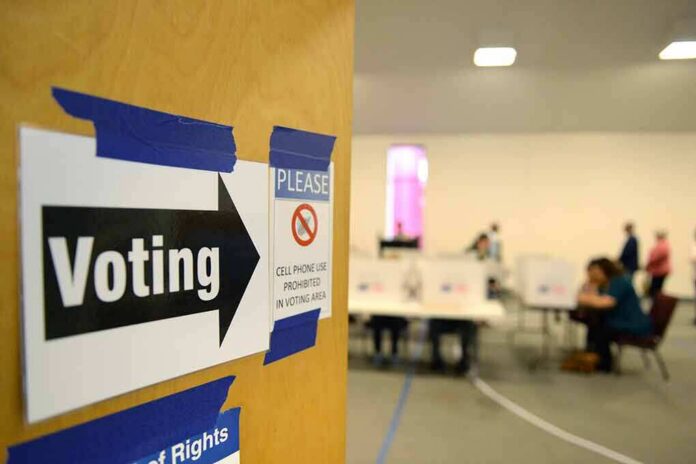
Survey data from the Cultural Research Center’s 2024 pre-election work show immigration and border control influenced 60 percent of regular churchgoing Christians’ choices, while poverty and homelessness influenced 43 percent. Those numbers back the point that humanitarian issues may trail border concerns at the ballot box. The same research lists inflation and the economy at the top. That mix shows voters are not one-note. But it also suggests compassion topics often rank behind security and cost-of-living pressures when people vote.
What churches teach versus what voters prioritize
The same Cultural Research Center reporting found many churchgoers heard teaching on poverty and religious freedom more often than on immigration or abortion. Sixty-three percent recalled teaching on poverty, while only 25 percent recalled teaching on immigration and border security. That gap hints at a translation problem. Pulpits and small groups may stress care for the poor, yet election talk and campaign media elevate border enforcement and life issues. Noise from national politics can drown out local messages on service and mercy.
Other polling complicates the simple “culture war only” picture. Barna found abortion ranked as a top concern among many evangelicals, but broader Christian samples place inflation, immigration, and crime above abortion in influence. These surveys are not identical, and they measure different groups, which limits direct comparison. Still, they show a common thread: survival issues like prices and safety, plus immigration and abortion, often crowd the field. That leaves poverty, refugee resettlement, and related policies with less visible pull on election day.
Humanitarian views on immigration are real, but crowded out
Lifeway’s research reports that many evangelicals support both strong borders and care for refugees. A 2024 study found majorities favor accepting refugees and believe Christians should sacrificially care for foreigners, including people displaced abroad. Those views suggest immigration for many is not only a culture fight. It is also a moral duty to help. Yet public debate tends to stress enforcement first. Campaign ads and social media reward sharp lines more than careful balance. The result is less airtime for practical plans to serve displaced families.
Attention Judeo-Christian Voters:@Franklin_Graham, the son of legendary preacher Billy Graham, is the CEO of the Billy Graham Evangelistic Association and of Samaritan's Purse, a humanitarian aid organization.
He is offering godly wisdom on voting, please pray on it. Comments? pic.twitter.com/ewW0FikxjQ— Florida Mike (@TheFloridaMike) October 22, 2026
History also helps explain today’s pattern. By the late 1970s, abortion and homosexuality became powerful tools to mobilize Catholic and evangelical voters. Those issues unified varied groups and built lasting networks. That machinery still shapes what gets talked about, funded, and voted on. It does not prove neglect of the poor. It does show why four headline issues often dominate mailers, sermons tied to voting, and talk-radio segments, while broader care agendas struggle to compete for attention and resources.
Why this debate matters beyond church walls
Today’s voters on the left and right share a growing belief that federal leaders fail ordinary people. They see elites in both parties who protect their jobs and donors instead of fixing costs, crime, or the border. The Atlantic argument hits that nerve: if faith-led voters want moral change, which moral goals get top billing? Data show secure borders and life issues get strong weight, while poverty and refugee care get less. That tilt shapes budgets, bills, and who gets help first.
The evidence has limits. Surveys measure what people say matters, not always how they finally vote or which single issue decides a race. Some measures also come from different Christian groups, which are not the same population. Even so, the pattern is clear enough to discuss: humanitarian aims are taught widely in churches, supported in principle by many evangelicals, yet often lose ground to pocketbook pain, public safety, and polarizing cultural fights when ballots are cast. The question ahead is whether that balance can shift without sacrificing core convictions.
Sources:
theatlantic.com, premierchristianity.com, barna.com, azcu.edu, research.lifeway.com