
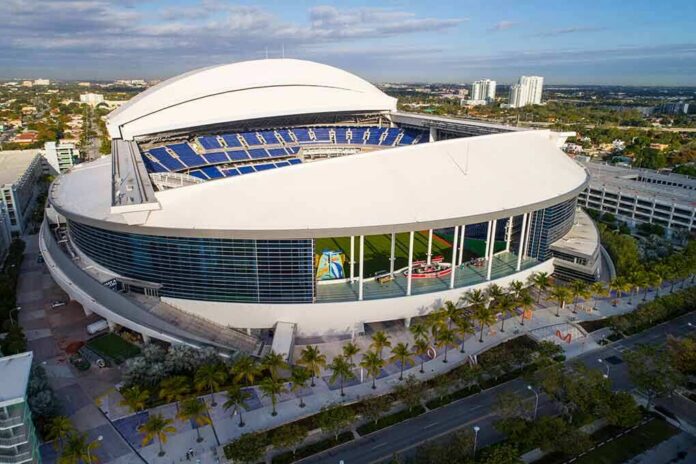
Jacksonville taxpayers will cover $775 million for a stadium overhaul while every 2027 home game is played two hours away in Orlando.
Story Snapshot
- City leaders approved a $1.4 billion stadium renovation with a $775 million public share.
- The Jaguars will play 2027 home games in Orlando during construction, returning in 2028.
- A team-commissioned study projects $21.7 billion in impact through 2052, drawing skepticism.
- Independent economists say stadium subsidies often fail to deliver broad economic gains.
What Jacksonville Approved and Who Pays
Jacksonville’s City Council approved a stadium renovation plan valued at about $1.4 billion in 2024, pairing $625 million from the city with $625 million from Jaguars owner Shad Khan. The city also committed roughly $150 million for maintenance and repairs, lifting the public cost to $775 million and the city’s overall share to about 55 percent. Supporters say the project upgrades aging infrastructure, secures the team long term, and positions the venue for major events and tourism in coming decades.
The agreement includes a non-relocation pledge that local officials and tourism groups describe as keeping the team in Jacksonville for the next 30 years. Backers frame this as insurance against losing an anchor brand and the game day crowds that come with it. The plan also aims to expand the event slate beyond football. The vision includes attracting more college games and concerts, with the franchise promoting a “stadium of the future” concept to justify the large capital spend.
Why Games Move to Orlando in 2027
Construction phasing will cut capacity in 2026 and force a full-season move in 2027. National Football League owners unanimously approved Camping World Stadium in Orlando as the Jaguars’ temporary home for the 2027 season. The team says the renovated Jacksonville stadium is expected to reopen for the 2028 season, after which normal home schedules would resume. That timeline means one year with no Jacksonville home games and two seasons of disruption before promised benefits begin to materialize.
Team materials and local boosters argue the short-term pain leads to long-term gain once the new venue opens. A Jaguars-commissioned Tourism Economics report projects $21.7 billion in total economic impact between 2028 and 2052, including $10.3 billion in direct spending and additional ripple effects from suppliers and worker spending. Critics point out that the projection comes from a team-funded study, not an independent public audit. They also note that some attendance assumptions do not match near-term reality during construction.
The Promise Versus the Track Record
Independent economists say decades of research show that stadium subsidies rarely raise a city’s total income or jobs in a measurable way. Economist Victor Matheson has said the typical economic impact ranges from zero to very low, and that subsidies often transfer wealth from taxpayers to team owners. Local reporting also found that city stadium operating costs far outpaced stadium revenues in recent years, underscoring pressure on public budgets even before the renovation starts.
Editorial boards and think tanks have echoed these doubts, arguing that most spending linked to stadiums is not net new but rather shifted from other local entertainment options. That “substitution effect” helps explain why big headline numbers often fail to show up in city tax receipts or lasting job growth. The Washington Post’s editorial board criticized Jacksonville’s deal on these grounds and highlighted the contrast between a one-time construction jolt and thin long-term gains for ordinary residents.
Shared Frustrations and Accountability Steps
Residents across the political spectrum see a familiar pattern: big promises, complex contracts, and public dollars at risk if costs rise or events fall short. That concern is not anti-sports; it is pro-accountability. People want straight numbers, enforceable terms, and proof that benefits reach beyond the luxury boxes. They also worry about a lost 2027 season at home when local bars, hotels, and vendors will miss game day crowds, while taxpayers still foot a large bill.
Two steps could build trust. First, release the complete economic model behind the $21.7 billion claim, including attendance forecasts, multipliers, and sensitivity tests, so the public can vet assumptions. Second, commission an independent audit to measure net impact each year after 2028, including tax receipts, event counts, hotel occupancy, and costs. Clear, yearly scorecards would show what worked, what did not, and whether the public’s investment truly pays off for Jacksonville families, not just the franchise.
Sources:
reason.com, jaguars.com, espn.com, insider.espn.com, visitjacksonville.com, apps2.coj.net, jacksonville.com