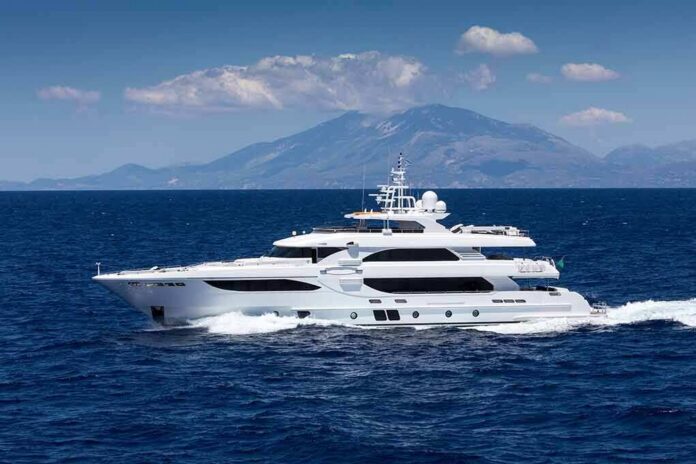
Mark Zuckerberg’s superyacht is at the center of a dispute that mixes wealth, optics, and a very small boat in Alaska.
Quick Take
- A skiff ran out of fuel near Petersburg and Juneau, and a cruise ship towed it to safety.
- Later coverage said Zuckerberg’s yacht, Launchpad, was closer but did not answer the call for help.
- The Coast Guard said the skiff was not in immediate danger and issued a marine assistance request, not a distress broadcast.
- Zuckerberg’s spokesperson said he was not aboard and said the crew was on a different radio channel.
What Happened in Southeast Alaska
On the Alaska coast, a 21-foot skiff ran out of fuel and needed help near Petersburg and Juneau. The cruise ship Wilderness Legacy changed course, towed the boat to a sheltered area, and refueled it. Reporting says passengers later heard the captain say Zuckerberg’s yacht was closer and had not answered the radio call.
The incident spread fast because it fit a simple and angry story: a billionaire’s superyacht nearby, a small boat in trouble, and a rescue handled by someone else. That made the episode easy to frame as a refusal, even though the public record also includes a less dramatic explanation. The Coast Guard said it judged the skiff not to be in distress and sent a marine assistance request instead.
What the Public Record Does and Does Not Show
The strongest sourced facts are narrow. The Coast Guard confirmed a call for help on VHF-FM channel 16 and later said the skiff was not in distress when it issued a marine assistance request. Coverage also says Zuckerberg’s spokesman said the family was not aboard Launchpad and that the crew was using a different radio channel. Those points explain why the story is contested.
What the record does not show is just as important. The available reporting does not include the yacht’s bridge logs, radio transcript, or a public Coast Guard record naming Launchpad as the vessel that heard and ignored the call. That gap leaves room for two readings: a public “refused to help” narrative, and a narrower claim that a nearby yacht was not shown to have received the request.
Why the Story Resonates Beyond One Yacht
The episode landed in a country already primed to distrust elites, especially when luxury and basic need appear in the same frame. A $300 million yacht linked to a stranded skiff is the kind of image that can outrun the evidence. It also touches a real maritime question: when does a request for assistance become a duty to act, and when is it still a voluntary call for help?
To the surprise of absolutely no one, "Billionaire and Meta CEO Mark Zuckerberg ignored a request from the U.S. Coast Guard to rescue a stranded sea vessel from his $300 million yacht, the Alaska Beacon reported Saturday"https://t.co/Hs5bFLQbuP pic.twitter.com/6kW1cSURmu
— BirdieBittern (@BirdieBittern) August 9, 2026
That distinction matters because the Coast Guard’s own wording weakens the claim that a legal rescue duty was ignored. Later reporting says the agency did not describe an emergency rescue, and the spokesperson’s account gives a non-culpable explanation that has not been disproved in the public material here. The result is a familiar modern media pattern: a hard moral headline built from partial records, secondhand recollections, and a lot of outrage.
Sources:
nypost.com, cruisehive.com, x.com, youtube.com, alaskanews.com