

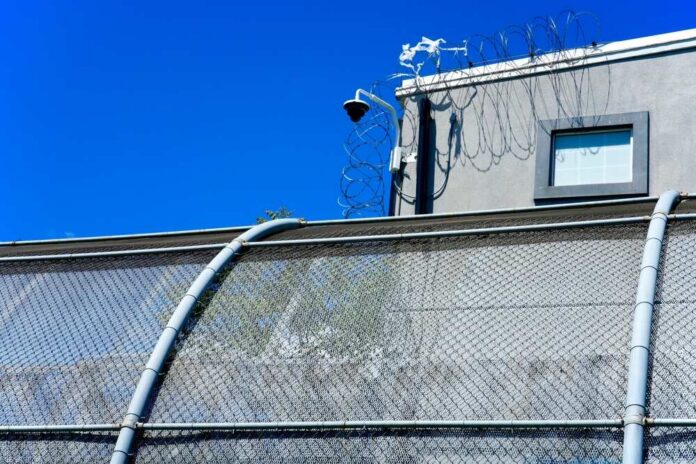
ICE’s Louisiana detention debate is now about more than one death, because the same facility keeps surfacing in public reports.
Quick Take
- ICE publicly reported that Alejandro Cabrera Clemente died at Winn Correctional Center after being found unresponsive.[1][2][3]
- Reporting linked that death to a broader pattern of repeated deaths in ICE custody this year.[1][3]
- Outside compilations list Winn Correctional Center among facilities tied to deaths in immigration detention.[3]
- The available record does not prove sanitation, food, medical records, or force caused the deaths.[1][2][3]
What Happened at Winn Correctional Center
ICE notified lawmakers that 49-year-old Alejandro Cabrera Clemente was found unresponsive at Winn Correctional Center in Winnfield, Louisiana.[2][3] Reporting said staff started emergency measures, moved him by ambulance to Winn Parish Medical Center, and he was later pronounced dead.[1][2][3] That sequence matters because it confirms a death in custody, while leaving open the harder question of whether the response was enough.
The facility is not new to scrutiny. A public compilation from the American Immigration Lawyers Association lists Winn Correctional Center among adult detention centers where deaths have occurred.[3] Austin Kocher’s reporting also said Clemente’s death was the 16th detained death of 2026, and that the pace worked out to one death every 6.3 days.[1] Those figures help explain why the case is being read as part of a broader pattern, not a one-off event.
Why the Pattern Raises Bigger Questions
Repeated deaths at the same site can trigger oversight concerns even before investigators prove a cause. In this case, the available sources do not show autopsy results, internal detention logs, or a facility inspection report that ties the deaths to sanitation, food, staffing, or use of force.[1][2][3] That gap leaves room for both alarm and caution. It supports scrutiny, but it does not yet prove systemic abuse.
ICE’s public defense is broad. The agency said detainees get intake screenings within 12 hours, a full health assessment within 14 days, access to medical appointments, and emergency care around the clock.[2][3] ICE also said no one in its custody is denied emergency care.[2][3] Those statements answer the agency’s standard policy, but they do not settle whether Winn followed those rules well in Clemente’s case or in earlier deaths.
What Is Still Missing From the Public Record
The biggest weakness in the current record is the lack of primary documents. The sources provided here do not include the full death investigation file, the hospital records, the coroner’s report, or any Inspector General findings specific to Winn Correctional Center.[1][2][3] Without those records, the public has a clear death count and a basic response timeline, but not enough detail to judge what failed, where it failed, or who knew what and when.
ICYMI: A @DHSgov Inspector General report found multiple compliance issues at the Winn Correctional Center in Winnfield, Louisiana, where @ICEgov detainees are housed.
The facility was at its contractual maximum capacity of 1,576 male detainees when inspectors arrived for an… pic.twitter.com/ma5LRKwVR5
— Ali Bradley (@AliBradleyTV) June 4, 2026
That uncertainty is why this story resonates beyond immigration politics. Supporters of tougher enforcement can point to ICE’s claim of emergency care and say the agency should not be blamed without proof.[2][3] Critics can point to repeated deaths and say the public should not have to rely on agency summaries alone.[1][3] Both reactions reflect the same basic problem: the government controls most of the evidence, and the public sees only fragments.
Sources:
[1] Web – ICE facility in Louisiana reports its second detainee death in less …
[2] Web – ICE Reports 16th Detained Death of 2026 at Winn Correctional …
[3] Web – Another migrant dies in US custody as death toll from Trump’s …