
Across red and blue America, neighbors are discovering that an unelected tech company may be tracking nearly every drive they take—and many are now fighting to shut the cameras off.
Story Snapshot
- Automated Flock license plate cameras now watch roads in thousands of communities, logging billions of trips a month.
- Dozens of cities and police departments have suspended, canceled, or bagged the cameras over privacy and immigration‑enforcement concerns.
- Critics say the system enables warrantless mass surveillance that can be tapped by outside agencies and even stalkers.
- Supporters still tout crime‑fighting benefits, but courts, state laws, and local councils are starting to push back.
How Flock’s License Plate Cameras Took Over Local Streets
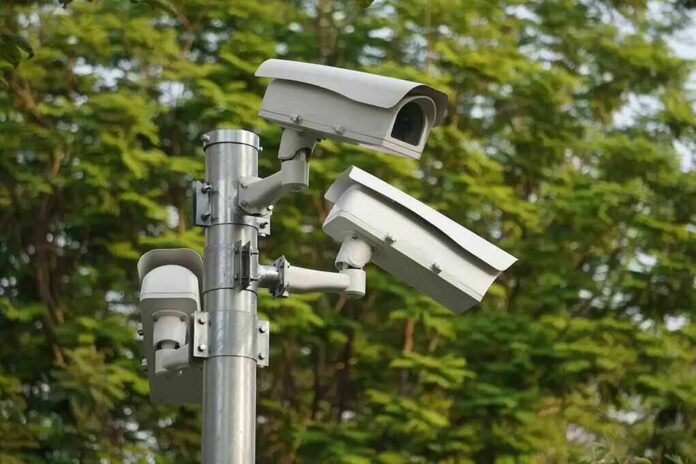
Flock Safety sells automated license plate cameras that sit on poles and scan every car that passes, whether the driver is suspected of a crime or not. The company says its network now reaches thousands of communities and captures billions of vehicle scans each month. Police and city leaders bought in fast, hoping to solve car thefts, track fugitives, and respond to shootings more quickly. For many residents, the promise of more “eyes on the street” sounded like a simple crime-fighting win.
Those cameras do more than snap a plate number. Many models also log the car’s make, model, color, and even bumper stickers, building a time-stamped trail of where people drive every day. All of that data is sent to Flock’s servers in the cloud, where it can be searched later by police using simple tools. A camera in one small town can help officers in another state, because departments can choose to open their data to a national search system that Flock controls.
Why Americans Across the Spectrum Are Pushing Back
As the network grew, resistance grew with it. Civil liberties groups warn that constantly logging everyone’s movements turns ordinary people into suspects in a permanent line‑up. Residents in suburbs from Georgia to California have packed council meetings and staged protests, calling the cameras “creepy surveillance” and demanding contracts be cut. Their concerns are not abstract. Investigations have found that Flock’s system has been used to track protesters, immigrants, and women seeking sensitive medical care, all without a judge’s warrant.
Immigration enforcement has become a flashpoint in the Trump era. Reporters and watchdogs uncovered cases where federal immigration agents accessed Flock data that local governments never meant to share. In Mountain View, California, an audit found outside agencies had tapped the city’s Flock system in violation of local policy and state rules, prompting officials to shut off all 30 cameras and terminate the contract. Similar discoveries led Los Angeles police leaders to suspend use of Flock cameras while they renegotiate how data is handled and shared.
Cities, Courts, and States Start Drawing a Line
What began as scattered complaints is now measurable backlash. A Government Technology report found that between 2021 and 2026, 82 Flock contracts were terminated in 28 states, as councils voted to remove cameras or let agreements expire. A grassroots “Deflock” campaign says at least dozens more cities have rejected new deployments altogether. In some towns, officials have literally put trash bags over the cameras while lawyers sort out whether the systems are even operating within local law.
Judges are weighing in too. A court in Norfolk, Virginia, ruled that using a dense web of 172 Flock cameras to track a car’s movements counts as a “search” under the Fourth Amendment and cannot be done without a warrant. Digital rights groups, including the American Civil Liberties Union, are backing lawsuits that challenge mass license plate tracking as unconstitutional dragnet surveillance. Several states, especially in the West, have passed or tightened laws that limit how long license plate data can be stored and restrict sharing it with federal agencies.
Security Failures and Real-World Harms Erode Public Trust
Alongside legal fights, technical failures have fueled anger. Security researchers discovered Flock cameras that were left exposed on the open internet, letting anyone with a web browser watch live video and even access stored footage and controls. Other investigations found that the company’s artificial intelligence tools misread plates and car details, leading to innocent drivers being pulled over at gunpoint or even bitten by police dogs after false alerts. For many people, these stories turn a “safety” tool into a personal nightmare.
Help us STOP THE FLOCK, Representative Perry. You should be challenging these types of surveillance under Constitutional law and the 4th ammendment, specifically.
——————————————————–Constitutional Challenge to Flock Cameras
The main… https://t.co/6x7Lp4EIVQ— Shaun Arnold (@badwulf1865) July 24, 2026
Critics warn that the same system meant to stop criminals can be misused by insiders. Advocacy groups have documented cases where officers used Flock searches to stalk ex-partners or target minority groups. In response, some departments have fired or disciplined officers over improper camera use, but those moves have not calmed fears of a growing “surveillance society.” When one private company sits at the center of a nationwide database of where people drive, both conservatives and liberals see a threat to basic American ideas about limited government and personal freedom.
Sources:
military.com, govtech.com, theguardian.com, washingtontimes.com, townhall.com, businessinsider.com, npr.org, naturalnews.com, malwarebytes.com, yahoo.com