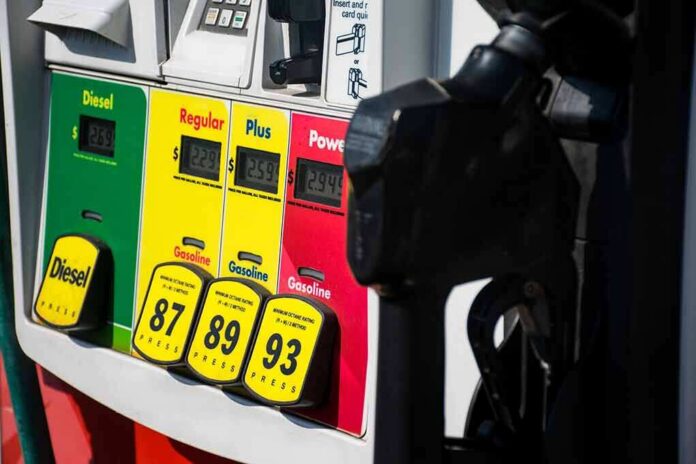
EPA moved up its seasonal fuel waiver to boost supply and ease gas prices as Middle East tensions strain markets.
Story Highlights
- EPA approved nationwide temporary waivers to keep higher-ethanol gas on the market to increase supply.
- The waiver supports sales of gasoline with 15 percent ethanol during the summer season.
- EPA says the action helps prevent fuel disruption and offers consumers more options.
- Congressional researchers call this part of a recurring pattern during tight fuel markets.
What EPA Changed And Why It Matters
Environmental Protection Agency (EPA) Administrator Lee Zeldin approved temporary emergency fuel waivers that allow nationwide sales of gasoline with 15 percent ethanol, known as E15, during the summer season. EPA said the move was designed to prevent supply problems and give drivers more options at the pump. The agency acted under the Clean Air Act after consulting the Department of Energy. The decision aims to expand supply during tight market conditions linked to ongoing instability in the Middle East.
EPA’s action lets fuel suppliers create a single national gasoline pool with ethanol content between 9 and 15 percent, rather than juggling different summer blends by region. Industry analysts say a uniform fuel helps logistics, which can reduce costs and cut delays that raise prices. The waiver also keeps E15 available through the higher-demand months, which can slightly increase total gasoline supply. More gallons on the market can help limit price spikes when refineries or imports fall short.
How The Waiver Works Through Summer
Congressional researchers describe a clear pattern: when fuel markets tighten, EPA often issues short, back-to-back waivers that keep E15 available through the summer driving season. The agency may renew waivers in 20-day blocks, as allowed by law, until market pressures ease. The 2026 decision follows similar steps taken in 2025. The approach adds supply flexibility without changing the underlying statute that limits summer fuel volatility.
The waiver interacts with summer air-quality rules that usually restrict higher-ethanol blends due to vapor pressure limits that help control smog. Under emergency authority, EPA can relax those limits when fuel supplies face unusual strain. The agency cites market stress tied to events in the Middle East as a trigger for this year’s waivers. The legal path is temporary by design, which is why the agency uses time-limited blocks instead of a permanent fix under current law.
Who Stands To Benefit Now
Drivers may see some price relief if the added supply pressures prices downward, especially in regions that often face summer shortages. Retailers can sell a single blend across more stations, which can lower handling costs. Farmers and biofuel producers support E15 access because it expands demand for corn-based ethanol. While actual price moves depend on crude oil and refining trends, EPA’s step is meant to soften spikes by widening supply options during peak travel months.
🔴Trump and Zeldin make a major move to lower gas prices immediately:
The EPA just issued an emergency fuel waiver to increase America’s gasoline supply. Starting September 1, higher-RVP E10 fuel will be allowed, ending the summer blend requirements early. Officials say this… pic.twitter.com/93nw615bbi— Commentary Donald J. Trump Posts From Truth Social (@TrumpDailyPosts) August 20, 2026
Both conservative and liberal consumers share a basic concern: Washington often responds late when prices jump. This waiver came ahead of the highest-demand period to shore up supplies. That timing answers calls for faster action when families feel price pain. It also shows how the federal government still relies on short-term tools, not long-term fixes. The recurring use of waivers underscores how energy rules, markets, and geopolitics keep colliding, leaving drivers stuck with the bill.
Sources:
reddit.com, fb.org, english.news.cn, davids.house.gov