A Michigan Democratic Senate candidate caught on leaked audio refusing to condemn Iran’s deceased Supreme Leader because Dearborn voters “are sad today” has sparked outrage among conservatives questioning where candidate loyalties truly lie in America’s contentious Middle East entanglements.
Story Snapshot
- Abdul El-Sayed instructed staff to avoid commenting on Ayatollah Khamenei’s death, citing sensitivity to Dearborn’s Muslim voters
- Leaked audio from private campaign call reveals calculated electoral strategy prioritizing voter emotions over national security stance
- El-Sayed dismissed recording as “distraction” from disgruntled ex-employee, threatens legal action while claiming “moral high ground”
- Controversy deepens scrutiny of candidate’s past ties to anti-police groups and comments on synagogue attacker linked to Hezbollah
Campaign Strategy Call Exposes Calculated Silence
Abdul El-Sayed, a Democratic candidate vying for Michigan’s open U.S. Senate seat, instructed campaign staff during a private strategy call to avoid any public statements on Ayatollah Ali Khamenei’s death. The leaked audio captures El-Sayed stating: “there are a lot of people in Dearborn who are sad today. So, like, I just don’t want to comment on Khamenei at all.” The Washington Free Beacon obtained and published the recording around March 31, 2026, triggering immediate backlash from critics who view the stance as pandering to a specific voter bloc rather than addressing national security concerns. El-Sayed’s refusal to weigh in on the death of Iran’s authoritarian leader raises questions about whether electoral calculations trump principled positions on America’s adversaries.
Candidate Dismisses Leak While Threatening Legal Action
Rather than addressing the substance of his recorded comments, El-Sayed’s campaign immediately pivoted to attacking the source. The candidate dismissed the leaked audio as a “distraction” from a “disgruntled former employee,” with campaign counsel David Mitrani asserting the recording was obtained without authorization and threatening legal consequences. El-Sayed claimed his team holds “the moral high ground” by avoiding what he characterized as bait questions on divisive foreign policy matters. This defensive posture mirrors a troubling pattern among politicians who prioritize damage control over transparency when caught making controversial statements privately that contradict their public personas. For voters already skeptical of political doublespeak, the response reinforces concerns about authenticity and accountability.
Pattern of Controversial Positions Emerges
The Khamenei audio leak follows a series of controversies that paint a concerning picture for moderate and conservative Michigan voters. El-Sayed served on the board of a far-left climate group from 2019 to 2021 that advocated to “defund/abolish police” and labeled law enforcement officers “fascist pigs”—positions fundamentally at odds with public safety and respect for those who serve. More recently, he released a video addressing a Lebanese immigrant’s synagogue attack, emphasizing the attacker’s family losses from an Israeli airstrike while downplaying that the attacker’s brother was a Hezbollah commander. These incidents collectively suggest a candidate whose sympathies may align more closely with radical elements than with mainstream American values of supporting law enforcement and condemning terrorism without equivocation.
Dearborn Demographics Drive Electoral Calculations
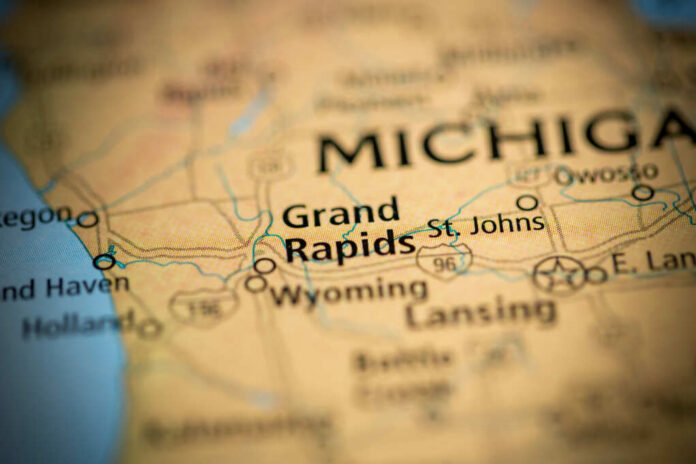
Dearborn hosts one of the largest Arab-American communities in the United States, making it a critical voting bloc in Michigan’s 2026 Senate race. El-Sayed has secured endorsements from local outlets like Dearborn Blog and the Arab American News, alongside national progressive figures including Bernie Sanders and Peace Action. While respecting diverse community perspectives is essential in representative democracy, the leaked audio reveals explicit electoral strategy prioritizing the emotional responses of one demographic over broader national interests. Michigan’s status as a purple state in a competitive Senate race—with the Democratic nominee likely facing former Republican Representative Mike Rogers—means every statement and position carries weight. El-Sayed’s calculation to remain silent on Khamenei’s death exposes the tension between micro-targeted campaigning and the expectation that Senate candidates articulate clear positions on America’s foreign adversaries.
Implications for Michigan’s Senate Battle
The controversy arrives at a pivotal moment in Michigan’s Democratic primary, scheduled for August 4, 2026, where El-Sayed faces State Senator Mallory McMorrow and U.S. Representative Haley Stevens. Short-term damage includes energizing Republican opposition research and potentially alienating Jewish voters and moderates concerned about perceived sympathy toward Iran’s theocratic regime. Long-term, the episode provides ammunition for general election attacks should El-Sayed advance, framing him as weak on national security and beholden to fringe constituencies. For Trump-supporting conservatives frustrated with endless Middle East entanglements, the story crystallizes concerns about politicians who lack clarity on who America’s enemies are, regardless of domestic political calculations. The leaked audio serves as a reminder that private strategies often reveal more about candidate priorities than carefully crafted public messaging ever could.
Sources:
Michigan Senate Candidate Dismisses Clip on Iran Leader’s Death
Democratic Senate Hopeful Abdul El-Sayed Said He Needed to Stay Silent on Khamenei Killing
Internet Erupts Over ‘Disqualifying’ Leaked Audio From Democrat in Key Senate Race
A Doctor for Justice: Dearborn Backs Abdul El-Sayed
Michigan Senate Candidate Abdul El-Sayed Served on Board of Far-Left Group That Smeared Cops