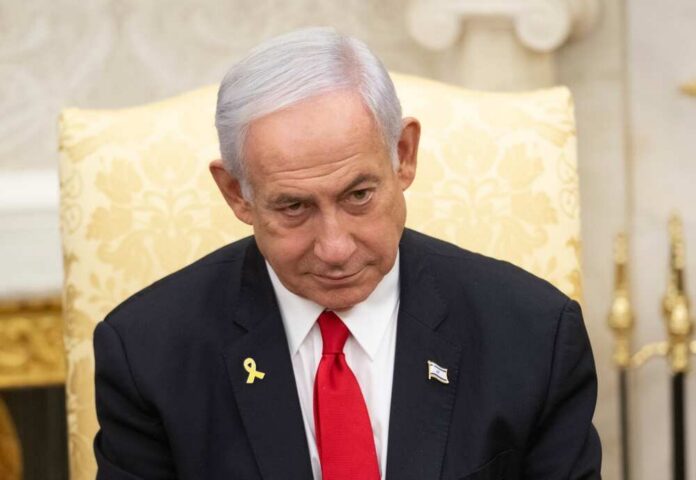
Two former Israeli prime ministers who once briefly ousted Benjamin Netanyahu are reuniting in a bold power play that could reshape Middle Eastern politics while Washington watches nervously from the sidelines.
Story Snapshot
- Naftali Bennett and Yair Lapid merge parties under Bennett’s leadership to challenge Netanyahu in 2026 elections
- Former rivals previously formed unprecedented 2021 coalition that collapsed after 18 months of internal divisions
- Alliance promises state inquiry into October 7 security failures and “ready work plans” for governance
- Political observers call this Netanyahu’s most serious opposition threat in years despite ideological differences between partners
Unlikely Alliance Returns to Challenge Netanyahu
Naftali Bennett and Yair Lapid announced on April 26, 2026, they will merge their political parties into a single unified faction under Bennett’s leadership ahead of elections scheduled for later this year. The partnership reunites two figures with vastly different political philosophies—Bennett’s hardline religious Zionism versus Lapid’s secular centrism—bound together by shared opposition to Prime Minister Benjamin Netanyahu. Their Yesh Atid and Yamina parties will form one list, potentially branded “Together,” consolidating what has been a fractured opposition bloc struggling to mount effective challenges against Netanyahu’s governing coalition.
History of Brief Success and Quick Collapse
Bennett and Lapid previously formed an unprecedented eight-party coalition in 2021 that included left-wing, right-wing, and even an Arab Islamist party, successfully ending Netanyahu’s 12-year tenure as prime minister. Under their rotation agreement, Bennett served the first year as prime minister while Lapid took the role of caretaker PM for the final six months. However, their coalition government fractured after just 18 months due to irreconcilable internal divisions among the diverse parties, paving the way for Netanyahu’s return to power and raising questions about whether this new alliance can avoid the same fate.
Bold Promises Amid National Divisions
The reunited partners promise “ready work plans” for governance and pledge to establish a state commission investigating the October 7, 2023 security failures that have haunted Netanyahu’s current administration. Bennett emphasized the need for “bold steps” during “fateful times,” focusing on democracy, Jewish foundations, and Zionism as core principles. Lapid’s Yesh Atid party issued statements calling for unity to “end internal divisions” and focus on winning elections. Both leaders hint at additional “moves and surprises” ahead, suggesting a coordinated strategy beyond the merger announcement to consolidate opposition support before voters head to the polls.
High-Stakes Gamble in Fragmented Political Landscape
Israel’s parliamentary system requires 61 Knesset seats for a governing majority, and Netanyahu currently holds power amid ongoing protests and war fatigue throughout the nation. Political analysts estimate the Bennett-Lapid alliance could consolidate approximately 20-25 percent of the opposition vote, creating significant pressure on Netanyahu’s coalition. However, skeptics point to the partners’ fundamental ideological differences—Bennett’s Orthodox religious views versus Lapid’s secular platform—as potential fracture points. The partnership represents what observers call a tactical move against a common enemy rather than genuine policy alignment, raising concerns among voters who remember the 2021 coalition’s quick demise.
The merger carries implications far beyond Israel’s borders, particularly for U.S. foreign policy under President Trump’s second term. Middle East diplomacy could shift dramatically depending on election outcomes, with potential changes to defense policy stemming from any October 7 commission findings. International coverage emphasizes this as a direct anti-Netanyahu push, framing it as the most serious challenge to the incumbent prime minister in years. Whether this alliance represents genuine political transformation or merely another temporary union of convenience remains the central question facing Israeli voters as they prepare for what promises to be a contentious election season marked by security concerns, economic anxieties, and fundamental questions about the nation’s political direction.
Sources:
Two former Israeli prime ministers join forces against Netanyahu in upcoming elections – KIRO7