
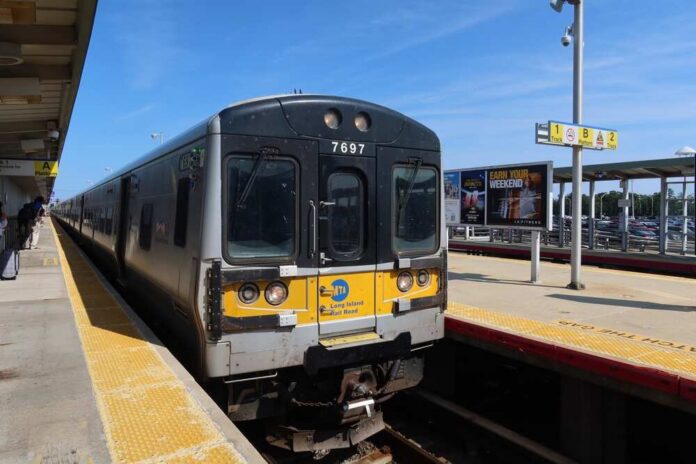
A labor showdown on the Long Island Rail Road has shut down America’s busiest commuter line, leaving hundreds of thousands stranded while New York’s powerful transit bureaucracy and union leaders point fingers over just a one-percent pay gap.
Story Snapshot
- LIRR unions have walked off the job after failing to reach a deal with the Metropolitan Transportation Authority over the fourth year of a new contract, halting all service.
- The dispute centers on whether year-four wage hikes land closer to 4.5 or 5 percent, even as commuters and taxpayers bear the brunt of the shutdown.
- Union leaders frame the strike as a fight against inflation and late-added healthcare costs, while the Metropolitan Transportation Authority warns of fare hikes and service cuts.
- The stoppage exposes deeper structural problems in government-run transit and the way political decision-makers dodge accountability for the chaos.
What Triggered the Shutdown of the Nation’s Busiest Commuter Railroad
Five unions representing roughly 3,500 Long Island Rail Road engineers, signal workers, machinists, ticket agents, and other staff have gone on strike after contract talks with the Metropolitan Transportation Authority collapsed at the deadline, triggering a full suspension of Long Island Rail Road service as announced by the agency itself.[1][4] The walkout comes after days of tense, extended talks that narrowed disputes to the fourth year of a proposed four-year wage deal but still failed to produce a compromise before the clock ran out.[2][3]
Reporting from local outlets describes the basic math behind the impasse: the Metropolitan Transportation Authority put about a 3 to 3.5 percent raise on the table for the fourth year, then indicated it could reach roughly 4.5 percent through a mix of base pay and lump-sum bonuses, while unions pressed for just under 5 percent and a total of about 14.5 percent over four years.[2][3] That gap sounds small, but when multiplied by a large workforce and layered onto existing benefit costs, it becomes the focal point of the public standoff.
How Unions Justify the Strike — Inflation, Healthcare, and Federal Board Recommendations
Union representatives argue that the fourth-year raise is not a luxury demand but a basic effort to keep up with inflation and retain skilled workers in one of the most expensive regions of the country.[2][3] They say a five percent raise simply tracks recent price increases and reflects guidance from two Presidential Emergency Boards, which reportedly recommended fourth-year raises in the 4.5 to 5 percent range for similar railroad disputes, recommendations they accuse the Metropolitan Transportation Authority of watering down.[3]
Union leaders also claim the railroad blindsided them with a last-minute proposal to impose healthcare contributions on new employees, a topic they say had not been part of previous bargaining sessions.[3] According to summaries of the talks, the Metropolitan Transportation Authority suggested new hires should pay about half of what an average New York State worker contributes toward healthcare, portraying it as a limited, targeted cost-sharing change rather than a broad rollback for current staff.[3] Because detailed bargaining transcripts are absent, readers are left with sharply conflicting narratives on whether that healthcare issue was a genuine late surprise or a predictable part of modern public-sector negotiations.
Metropolitan Transportation Authority Cost Warnings and the Burden on Riders and Taxpayers
Metropolitan Transportation Authority officials insist they have moved significantly toward the unions, saying their latest offer aligns with the federal emergency boards’ recommendations and effectively reaches around a 4.5 percent raise in the disputed year.[2][3] Agency spokespeople have wrapped that wage package in a broader affordability argument: they warn that meeting the full five percent demand would require boosting fares by about eight percent every two years instead of four percent, or else cutting service elsewhere to balance the books, though the internal budget model behind that claim has not been published in the available record.[2][3]
To shape public opinion, the Metropolitan Transportation Authority also highlights that average pay for the affected workers already stands near 136,000 dollars annually, with some top earners — often aided by heavy overtime — exceeding 300,000 dollars.[2][3] That framing is designed to reach the everyday rider who is already squeezed by taxes, tolls, and inflation and now faces a transit shutdown over what may sound like a relatively narrow wage dispute. At the same time, critics on the right look at these numbers and see a familiar story: a government-run monopoly, financed by taxpayers and captive riders, stuck in a cycle of high labor costs, bloated bureaucracy, and constant demands for more money.
Commuter Chaos, Limited Contingency Plans, and What It Reveals About Government Transit
The Metropolitan Transportation Authority’s own strike notice confirms the scale of disruption: Long Island Rail Road service is suspended due to the strike, with only limited shuttle bus service and “work from home” advice offered as a stopgap.[1] Local news outlets describe guidance for riders on how to navigate the shutdown, from packed buses to rerouted subway connections, underscoring how vulnerable the region remains when a single government-controlled system fails. This stoppage lands on top of previous disruptions tied to infrastructure issues, amplifying frustration among commuters who feel trapped between union and management power plays.
New York's Long Island Rail Road strike halts busiest US commuter line https://t.co/KrgQ5EpEAD https://t.co/KrgQ5EpEAD
— Reuters (@Reuters) May 16, 2026
For conservatives, the Long Island Rail Road crisis is more than a New York commuter story. It is a warning about what happens when essential services are concentrated in distant authorities, shielded from real market competition and insulated by layers of political appointees. The Trump administration in Washington can push for pro-growth, pro-energy, anti-inflation policies, but state and local transit bureaucracies still operate under old blue-state habits: opaque finances, slow reforms, and negotiations that go down to the last minute with riders held hostage. Until the structure of these agencies is overhauled, taxpayers and working families will keep paying the price whenever labor and management collide.
Sources:
[1] Web – LIRR service is suspended – MTA
[2] Web – Lirr Strike Looms As Contract Talks Go … – News 12 | Long Island
[3] YouTube – LIRR strike closing in: Negotiation update, commuter check-in
[4] Web – Long Island Rail Road workers could strike on Saturday if a deal isn …