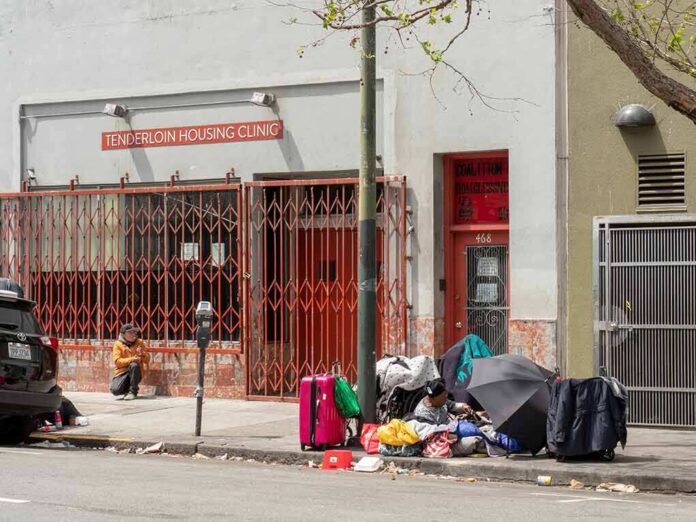
New York City will restart homeless encampment clearings with a seven-day outreach window, shifting control from police to homeless services after a 12-block camp formed near the Intrepid Museum.
Story Snapshot
- Mayor Zohran Mamdani reversed his pause and ordered encampment clearings to resume.
- The Department of Homeless Services, not police, will lead operations with daily outreach over seven days.
- Officials tied the change to cold-weather deaths and safety risks cited by residents.
- Advocates warn sweeps displace people and can worsen health and legal harms.
City Reverses Course After Winter Deaths And West Side Expansion
Mayor Zohran Mamdani said New York City will resume clearing homeless encampments, ending a pause he started early in his term. The order follows a deadly cold spell city officials said killed several unsheltered New Yorkers and strained outreach teams. The change comes as a large encampment near the Intrepid Museum drew intense complaints from residents and workers who report fires, theft of power, and open drug use. The city says it will now pair clearings with added shelter access.
The new approach puts the Department of Homeless Services in charge of encampment operations instead of the New York Police Department. Outreach teams will engage people daily during a seven-day notice period, offer placements, and then remove tents and structures if refusals continue. City Hall argues this service-led model is more humane than prior sweeps and better matches staff expertise. Officials frame the plan as a balance between public safety and connecting people to services.
What The Policy Does And Does Not Change On The Street
The shift keeps enforcement in the toolkit but moves first contact to social service workers. During the seven-day window, teams will make repeated offers for shelter or other placements, then clear the site if needed. The city says this limits arrests and reduces conflict. However, people who decline shelter will still lose tents and belongings after the notice period. The administration has also announced new single-room shelter units to absorb placements.
Residents near the Intrepid say conditions worsened while sweeps were paused, citing fires, drug activity, and blocked sidewalks. Similar complaints have surfaced in other cities during long encampment standoffs, including reports of frequent emergency calls and zero exits to permanent housing in some sites. Those concerns often push officials toward action when outreach alone fails. The seven-day model tries to show good-faith effort before clearings proceed.
Why The Debate Is Fierce: Safety, Dignity, And Results
Homeless advocates condemn sweeps as harmful and short-sighted, saying they scatter people, break connections with health providers, and raise the risk of arrests for minor offenses. Public health groups warn that displacements can raise trauma and worsen mental and physical health. Policy researchers also find that criminal penalties make it harder for people to find work and housing later on. These critics press for housing, treatment, and safe storage instead of clearings.
Lawless NYC homeless encampment near Intrepid grows to 12 blocks as locals plead for officials to step in https://t.co/1Zm6IWU18x
— Angie (@angie_anson) July 18, 2026
Neighborhood groups counter that long-running camps bring fires, violence, and economic harm, and that the city has a duty to keep streets safe and passable. They argue that unchecked camps signal that rules do not matter, feeding a sense of disorder many New Yorkers already feel. Both sides agree that the status quo has failed. The core dispute is about means: daily outreach with a fixed deadline and a sweep, or open-ended tolerance while housing capacity scales up.
What To Watch Next: Placements, Not Promises
The test is whether the seven-day approach leads to real placements and fewer repeat clearings. City officials point to winter outreach that produced hundreds of shelter arrivals and to new single-room units that could improve acceptance rates. Skeptics will watch for data on how many people accept beds, how many return to the street, and whether safety improves on the West Side. Clear, public reporting will be key to trust across the political spectrum.
Sources:
facebook.com, nytimes.com, brooklyn.news12.com, nationaltoday.com, youtube.com, amny.com, bronx.news12.com, getlocalpost.com, miragenews.com, endhomelessness.org, kb.osu.edu, apha.org, pbs.org