

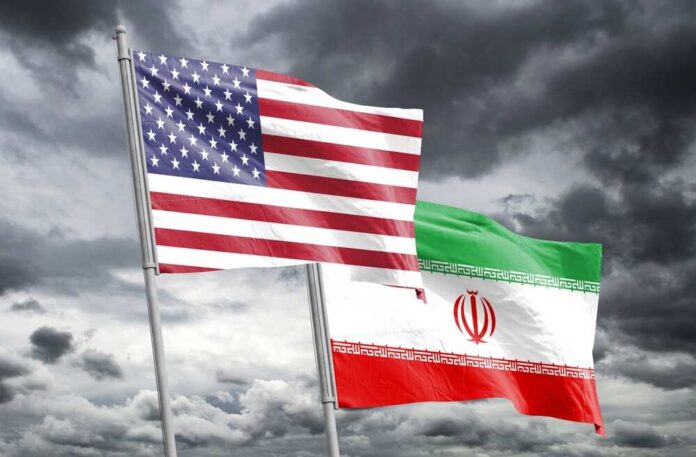
Amid rising U.S.–Iran tensions, an American woman long barred from leaving Iran is now safely out, and both sides are spinning why it happened.
Story Snapshot
- President Donald Trump announced Dena Karari’s release and thanked Iran for a “gesture of goodwill.”
- Karari’s lawyer credited Trump’s personal efforts as decisive in securing her exit.
- Major outlets report no public proof of direct negotiations or a specific deal.
- Iran’s framing of unilateral “goodwill” keeps the cause of the release unclear.
What Happened: A Detained American Leaves Iran
President Donald Trump said on July 15 that Dena Karari, a United States citizen held in Iran since late 2024, is now safely outside the country and in good condition. He called Iran’s move a “gesture of goodwill.” News reports confirm she had faced espionage charges, spent over a year under restrictions, and was finally permitted to exit Iran. Her attorney also confirmed her departure the same day. These are the core, undisputed facts.
Trump framed Karari as “unjustly held” and linked her release to American engagement under his leadership. Iran did not publicly credit the White House. Instead, coverage of Iran’s stance highlights the “goodwill” language, which suggests Tehran wants to avoid the look of outside pressure. That kind of careful wording is common in hostage diplomacy, where each side protects its image while claiming success at home.
Who Gets Credit: Claims, Gaps, and Caution
Karari’s attorney, Jared Genser, praised Trump’s “extraordinary and tireless efforts,” saying the result would not have been possible without them. That is a specific, on-the-record claim. But public documents that would show how the talks worked have not been released. No named Iranian officials or American diplomats have confirmed the back-channel steps, terms, or timing. Major outlets reported the event but did not verify a detailed mechanism.
CNN reported Karari was charged, then released on bail, and only recently allowed to leave. That timeline could reflect a court process moving on its own track. Or it could reflect quiet diplomacy pushing at the right time. From the outside, both can be true. Without logs, cables, or named officials describing the steps, the precise cause remains uncertain. That uncertainty fuels both praise and skepticism.
Why It Matters: Patterns, Politics, and Public Trust
Presidents across parties often claim credit for bringing Americans home, while foreign governments often cite unilateral mercy or routine process. That split helps each side save face. It also leaves the public guessing. In today’s climate, many Americans on the right and left already feel shut out by a system that hides the ball. When leaders declare victory without evidence, and rivals dismiss it without proof, trust erodes even more.
Americans watching rising tensions with Iran want clear answers. Was there a deal? Were there conditions? Did pressure work, or did courts run their course? The record so far does not say. Reasonable next steps would include formal requests for State Department records, White House call notes, or sworn details from the attorney on specific contacts. Until then, the safest reading is this: an American got out, but the “how” is still not public.
The Bigger Picture: Diplomacy Under Fire
Karari’s release landed as headlines tracked possible military escalations and threats of new strikes. War talk can bury diplomatic wins and also blur their cause. Iran’s “goodwill” line may aim to cool tensions without looking weak. The White House message signals strength and care for citizens abroad. Both can play at once. For families of detainees, the goal is simple: get loved ones home. The government’s job is to show how, not just say it did.
Iran doesn't want to talk & trump didn't release names.
trump continues to accomplish nothing but more chaos.Tehran Friday Envoy Outlines Four-Stage Revenge Plan, Declares End to U.S. Strait of Hormuz Negotiations:https://t.co/i98Kq2Omxb
— CBA (@CBAx1792) July 17, 2026
The takeaway for readers is sober but hopeful. A citizen left a dangerous bind. Claims of credit are competing, and proof is thin. That gap is common, but it does not have to be. Transparent records can honor the win, deter future abuses, and protect future cases. For now, celebrate a safe exit and press for the receipts. That balance treats the public like adults and keeps pressure on a system that too often asks for trust without facts.
Sources:
redstate.com, cnn.com, nytimes.com, abcnews.com