
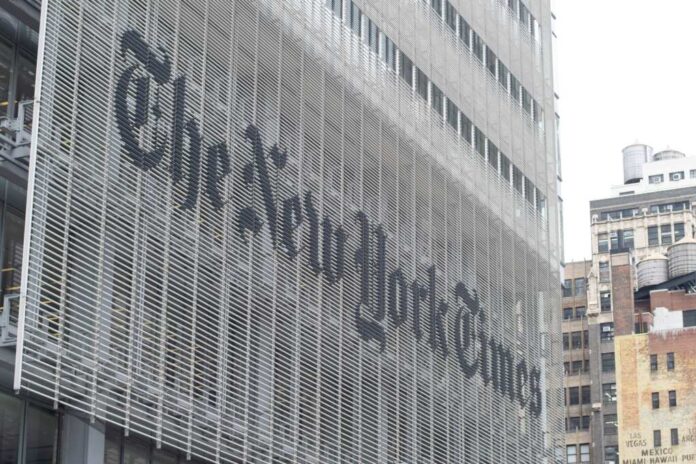
A prominent critic calls The New York Times a “terrorist organization,” igniting a debate on media bias and journalistic ethics.
Story Highlights
- Duvi Honig has accused major U.S. media of bias against Israel.
- The Orthodox Jewish Chamber of Commerce has launched a boycott against Starbucks.
- CNN has faced criticism over comments made by an analyst.
- Honig’s statements have intensified the debate on media ethics.
Critique of Media Bias
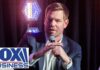
Duvi Honig, the CEO of the Orthodox Jewish Chamber of Commerce (OJC), has launched a critique against major American media outlets such as The New York Times and CNN. During an interview at Jerusalem’s King David Hotel, Honig accused these outlets of serving as apologists for Hamas, spreading misinformation that harms Israelis and Palestinians alike. His comments underscore a growing frustration among many who perceive a bias in media narratives, which they believe distorts facts and endangers journalists.
EXCLUSIVE: Jewish CEO Rips ‘Terrorist’ NYT for Being Hamas Mouthpiece https://t.co/GrVJXY4S58
— Duvi Honig (@Duvi_Honig) August 20, 2025
Honig’s rhetoric is particularly blunt, labeling The New York Times as a “terrorist organization.” This language highlights the OJC’s stance on what they see as a dangerous media bias. The OJC, founded by Honig after the 2008 financial crisis, has evolved into a global advocacy group defending Israel and challenging anti-Israel narratives. The organization’s recent actions, including a boycott against Starbucks, reflect its commitment to countering perceived anti-Israel sentiment.
Media Criticism and Public Reaction
The criticism of media outlets is not new but has reached new heights with Honig’s statements. The OJC’s boycott of Starbucks in 2023 followed the company’s union support for Palestinians post-Hamas attack on Israel. This action illustrates the OJC’s proactive approach in defending Israel’s image and interests. Similarly, CNN’s Kimberly Dozier sparked controversy with remarks about a Hamas operative. These developments have reignited debates over media objectivity and the role of journalists in conflict zones.
Media outlets like The New York Times and CNN wield significant influence over public perception, but they also face accusations of bias and misinformation. The portrayal of the Gaza conflict has heightened sensitivities, with critics arguing that certain narratives benefit Hamas while unfairly criticizing Israel. Honig’s statements aim to challenge these narratives, advocating for a more balanced reporting approach that considers the complexities of the conflict and the safety of journalists.
Impact and Industry Response
Short-term implications of Honig’s critique include increased polarization and heightened scrutiny of media reporting standards. The long-term impact could lead to lasting mistrust between advocacy groups and mainstream media, potentially influencing journalistic practices. The OJC’s advocacy may also affect business relationships and corporate stances on Israel, highlighting the intersection of economic and political interests.
While Honig’s criticisms are forceful, the evidence supporting claims that major media outlets act as “apologists” for Hamas remains contested. The New York Times and CNN have faced documented controversies over reporting accuracy, yet they defend their journalistic standards. This ongoing debate underscores the challenges of reporting accurately in conflict zones and the risks of relying on unverified sources. The media industry faces renewed calls for transparency and accountability, with advocates like Honig leading the charge for improved conflict reporting standards.
Sources:
InfluenceWatch: OJC background, activities, and leadership
Newsmax: Honig’s biography and OJC’s mission
DuviHonig.com: Founder’s background and advocacy work
New Jersey Senate: OJC’s legislative advocacy and community impact