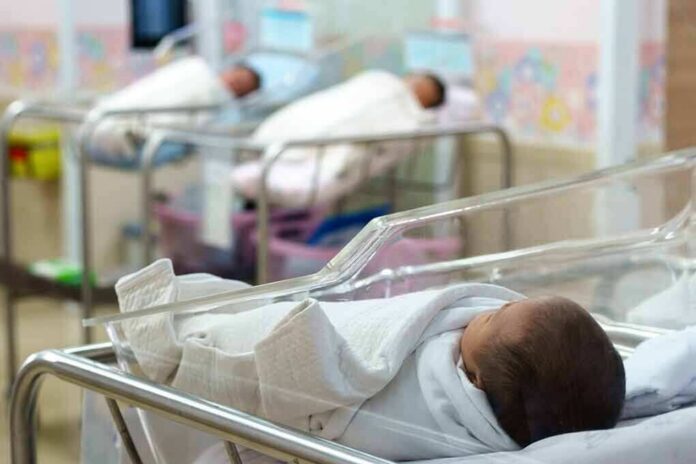
Prosecutors charged a now-former Michigan neonatal nurse with four counts of child abuse after a premature baby in his care was found with broken bones and bruising, a stark breach of the safety parents expect inside a hospital.
Story Snapshot
- Police say a 4-month-old girl in a Grand Rapids neonatal unit had fractures and bruises.
- A former Helen DeVos Children’s Hospital nurse, Kieran L. Ansley, 43, faces four abuse counts.
- Court records describe a diagnosis of pediatric physical abuse based on medical findings.
- The case highlights how hospitals and prosecutors act fast to protect vulnerable patients.
Charges Filed After Infant Injuries Found in Hospital Care
Grand Rapids police and county prosecutors charged Kieran L. Ansley, 43, a now-former nurse at Helen DeVos Children’s Hospital, with four counts of child abuse after a 4-month-old premature girl in his care was found with multiple fractures and bruising. Reporters cited court documents stating the medical team concluded the injuries fit pediatric physical abuse. Local coverage said Ansley is out on bond while the case moves forward. The hospital dismissed him after the allegations came to light, according to published reports.
Defense counsel told reporters that Ansley is cooperating and had many years of nursing experience, but the attorney did not offer a detailed alternative medical explanation in the early reports. The charging documents, as summarized by local media, point to the “totality” of the clinical signs. Those included bruising and fractures that, in very young infants who cannot move on their own, are known red flags for possible inflicted injury. Prosecutors often center such cases on expert medical reviews.
How Doctors Assess Infant Injuries and Why This Matters
Pediatric teams look for patterns. In non-walking infants, bruises and fractures can be “sentinel” injuries that raise strong concern for abuse and trigger full evaluations. Medical staff compare the injuries to known accidental patterns and to other causes like bone disease, bleeding disorders, or birth trauma. Standard guidance urges doctors to weigh both inflicted and non-inflicted causes before reaching a conclusion, especially with fragile premature babies. That careful process helps prosecutors and child-protection teams decide next steps.
Guidelines in pediatric references describe a broad “differential diagnosis,” which is a checklist of other conditions that can mimic abuse. These include osteogenesis imperfecta, rickets, infections, and bleeding disorders, among others. Still, certain findings—such as multiple fractures or fractures in non-ambulatory infants—can significantly increase concern for abuse and often lead to protective actions while investigators work. Hospitals also face legal duties to report suspected abuse when there is reasonable cause, which shapes how fast they respond.
Institutional Response and Public Trust in Care Settings
Hospital leaders tend to act quickly once a credible allegation surfaces. They move to protect patients, reduce risk, and cooperate with police. Health systems also must follow mandatory reporting laws that require them to notify authorities when staff suspect abuse. Prosecutors then rely on medical records and expert opinions to support charges. That is why the charging language often references a medical team’s consensus and the match between the injuries and known abuse patterns, as seen in this case.
Parents expect hospitals to be safe places, not scenes of harm. When a baby suffers injuries while under professional care, it shakes faith across the political spectrum. Families who already feel that large systems protect insiders may worry that warnings get missed or buried. Families who push for stronger oversight may see proof that safeguards remain too weak. Either way, the shared demand is simple: protect children, tell the truth, and hold people accountable.
What Comes Next in the Case
Criminal cases like this often hinge on expert testimony and detailed timelines. Investigators gather scans, photos, notes, and shift records. They ask whether the injuries could have occurred during standard care, accidental events, or due to a medical condition. They also assess whether the injury timing lines up with who had access to the child. Courts then weigh those facts against the legal standards for proof and the specific child abuse charges filed.
🚨BREAKING: Kieran Ansley (43), A former NICU nurse at Helen DeVos Children’s Hospital in Michigan has been charged with child abuse after a premature baby girl was found with multiple broken bones, bruises and a tongue that had turned blue and black.
This baby was born at just… pic.twitter.com/sxXyLSlhA9
— Bethany O’Leary 🇺🇸 🦅 (@BethanyForTruth) September 25, 2026
The prosecution in this case cites a pediatric physical abuse diagnosis as the basis for the charges. The defense says the former nurse is cooperating and highlights his years of service. A judge will decide what evidence reaches a jury, and a jury will decide guilt. For now, the hospital has removed the staff member, the state has filed charges, and the infant’s family has the public’s focus. People want answers and stronger safeguards, and they deserve both.
Sources:
thegatewaypundit.com, woodtv.com, midmichigannow.com, podcasts.apple.com, nurse.org, aafp.org