

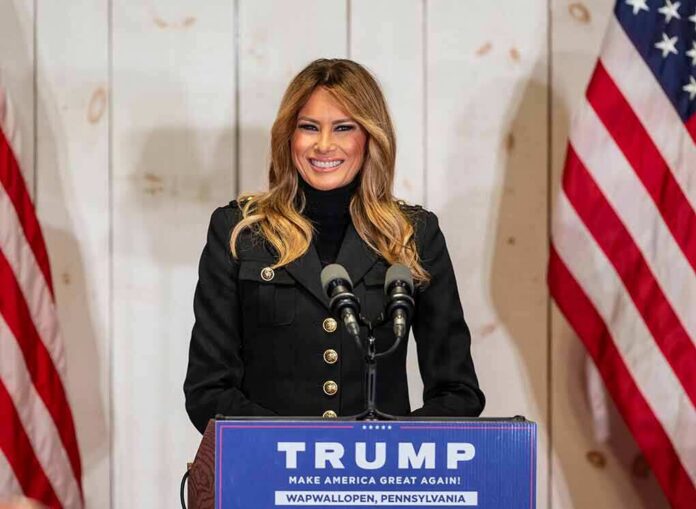
Nine more children torn apart by the Russia-Ukraine war made it home, bringing the First Lady’s total reunions to 43, according to official statements and wire reports.
Story Highlights
- The White House said First Lady Melania Trump helped reunite nine more children with their families.
- The total children returned through her efforts reached 43 across seven groups.
- Russian and Ukrainian leaders cooperated in the latest transfers, per the White House.
- Russia’s children’s rights commissioner also reported nine transfers to relatives in Ukraine and Germany.
What The White House Announced
The White House said on November 25 that First Lady Melania Trump facilitated the return of nine children to their families. The statement called this her seventh such reunion effort and placed the running total at 43 returned children since the project began. The release said the reunions happened with the cooperation of leaders in both Russia and Ukraine, signaling direct engagement by the two governments during the transfers.
The Associated Press and other outlets reported the same core details. They cited the White House announcement on the seventh group and the cumulative count of 43. That independent coverage matched the numbers and timing and noted the humanitarian framing from the First Lady’s office. The reports did not add personal details about the children, which the White House also withheld, likely to protect identities and safety in an active war zone.
What Moscow Reported About The Transfers
Russia’s commissioner for children’s rights, Maria Lvova-Belova, posted that nine Ukrainian children were being transferred from Russia or Russian-occupied areas to relatives in Ukraine and Germany. Her account did not conflict with the White House numbers and suggested cross-border logistics were involved. That aligns with past exchanges where children crossed through third countries or controlled checkpoints to reach verified relatives during the war.
The Hill and other newsrooms echoed the headline figures and the seventh-group milestone. They reported that the First Lady’s role was facilitative, with governments handling custody steps and travel. The outlets did not list ages, names, or routes. That is common in child-protection work, where privacy and security rules limit public data while officials confirm family ties and legal authority before any handoff.
Why This Matters Beyond U.S. Politics
Family reunification during war is hard. United Nations children’s agencies and the International Committee of the Red Cross say proper reunions require careful identity checks, verified family links, consent, safe transport, and follow-up support. Even when states agree, each step needs documents and escorts to protect the child’s best interests. These latest returns fit a broader pattern where diplomacy, law, and child safety must move together to get kids home alive and well.
WONDERFUL NEWS: First Lady Melania Trump Reunites Nine More Children with Their Families Amid Russia-Ukraine War — 43 Children Now Returned Home https://t.co/9a3GneE7dw #gatewaypundit via @gatewaypundit
— Dianna Slonaker (@DiannaSlonaker) November 26, 2026
Americans across the spectrum see a federal system that too often fails at basics. A clear, measurable outcome like getting nine more children back to family offers a rare point of agreement. Supporters may credit a results-first approach by the First Lady and cooperating leaders. Critics may ask for more transparency about processes and partners. What is not in dispute in the reporting: nine reunions happened, and the running total tied to this effort is now 43.
Sources:
thegatewaypundit.com, apnews.com, pbs.org, ua4.news, abcnews.com