

New York City promised groceries 30% cheaper at new public stores, but still has no published plan showing who covers the gap month after month.
Story Snapshot
- The city vowed a 30% discount on a core grocery basket at five public stores.
- Officials named two sites and set a 2029 target for one store per borough.
- City budgeted $70 million for development, but not ongoing subsidies.
- Grocer groups sued, calling the discount a tax-backed unfair advantage.
What City Leaders Promised On Prices And Scope
Mayor Zohran Mamdani pledged that a core basket of groceries will be 30% below typical retail prices. He said the discount will cover all fresh produce, all meat and seafood, about 20 pantry staple categories, plus dairy and refrigerated goods, “no exceptions, no gimmicks”. The administration also projected a 15% drop in average household grocery bills, or about $90 a month, tied to that defined basket rather than every item sold. These are clear, testable price targets.
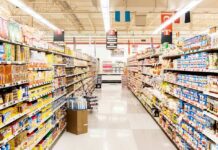
The city plans five public grocery stores, one in each borough, by the end of the mayor’s first term in 2029. Officials identified La Marqueta in East Harlem as the first site and The Peninsula in Hunts Point as the second. The Hunts Point store is planned at about 20,000 square feet, with an expected 2027 opening. Leaders said private operators will run the stores while the city sets standards and subsidizes the core basket.
What Money Is On The Table So Far
The New York City Council’s Fiscal 2027 Preliminary Plan shows $70 million for development of five city grocery stores. The funding is for construction and site work through the city’s economic development arm. City materials also describe using city-owned land to lower rent and other overhead that raise prices for shoppers. Those steps may reduce costs. But they do not answer how the city will fund lower prices every week once the doors open.
The official record does not provide an annual operating subsidy estimate, a cap on losses, or a ten-year budget plan. It does not show a method to audit the 30% discount against named comparison stores, or to validate the $90-per-month household savings claim. Without those details, residents cannot see how much the program will cost them, or how leaders will keep prices low without sudden cuts, empty shelves, or quality trade-offs. The numbers are promised but not yet published.
How The Model Would Work Day To Day
City statements describe a hybrid model. A private grocer would operate each store under city rules. The city would set product standards and price the core basket 30% below typical retail. The city says the discount is possible in part because city land reduces rent and taxes baked into prices. The city also issued a request for proposals to find qualified grocery operators, signaling a plan to leverage industry know-how while enforcing public price goals.
That approach hinges on contracts that assign risk, set service and stock standards, and define who eats losses if sales miss targets. The city has not published operator selections, contract terms, loss-sharing rules, or remedies if an operator fails to meet discount standards. Those missing pieces matter. They decide if the stores can keep prices low without chronic shortages, and if taxpayers or vendors cover the difference when costs jump.
Legal And Market Pushback Builds Pressure For Clarity
The National Supermarket Association sued to block the plan, calling the 30% discount a tax-subsidized predatory pricing scheme that would give public stores a massive advantage over private grocers. The group argues that city support for rent, taxes, construction, and losses would let these stores sell at prices independents cannot match. Bodega and independent-supermarket groups warn the public stores could pull away customers and strain thin margins.
Courts will weigh those claims against the city’s stated public-interest aim: cheaper food in high-cost neighborhoods. For now, the political fight focuses on the city’s missing math. Residents across the spectrum want lower prices. They also want guardrails against blank-check subsidies, favoritism, and harm to small stores. Publishing a store-by-store, ten-year fiscal model and an independent audit method for the 30% benchmark would meet both tests and rebuild trust.
Sources:
nypost.com, nyc.gov, patch.com