A single shot in the Capitol on January 6 didn’t just kill Ashli Babbitt — it exposed a justice system that treats political violence, policing, and protest very differently depending on who you are and what you believe.
Story Highlights
- Ashli Babbitt’s fatal shooting became the most replayed moment of force on January 6 and a national Rorschach test.
- Federal investigators cleared Lt. Michael Byrd, while Babbitt’s family pressed a wrongful death case that ended in a multimillion‑dollar settlement.
- Many conservatives see an unarmed veteran killed by her own government, while institutions defend the shooting as lawful protection of Congress.
- The case exposes glaring double standards in protest policing, transparency, and accountability that still haunt the rule of law.
How One Shot Turned Into Two Americas Watching the Same Video
On January 6, 2021, cameras inside the U.S. Capitol captured Air Force veteran and Trump supporter Ashli Babbitt attempting to climb through a shattered window into the Speaker’s Lobby as lawmakers sheltered or evacuated only feet away. A plainclothes Capitol Police lieutenant, Michael Byrd, standing on the other side of the barricaded doors, fired a single round that struck Babbitt in the shoulder and chest, killing her shortly after she was rushed to a Washington hospital.
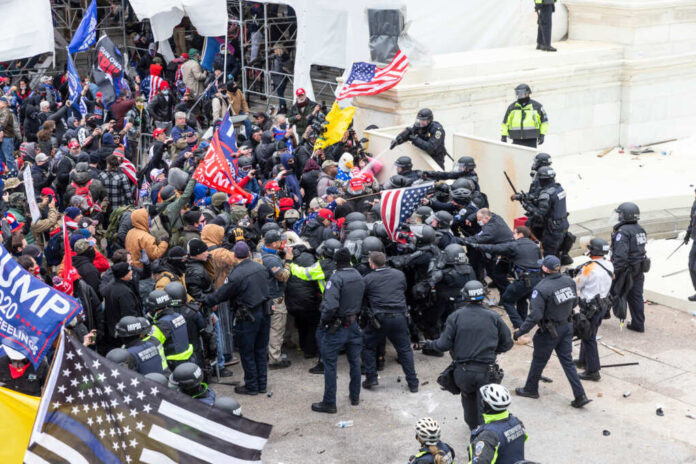
That short clip of Babbitt falling backward became the defining image of lethal force on January 6, looped endlessly on conservative media, mainstream outlets, and social platforms. For many on the institutional left, the video proved that officers, facing a violent mob at the last choke point before the House chamber, used necessary force to defend democracy. For many on the right, it showed an unarmed woman shot without warning by a government officer shielded from scrutiny.
Buried video of Ashli Babbitt arriving at the doors inside the Capitol on January 6th just moments before Michael Byrd shot and killed her.
Babbitt is seen talking with Officers while her friend offers them water. She doesn’t seem like an insane or dangerous person at all. pic.twitter.com/h4QDPdGcjZ
— Gain of Fauci (@DschlopesIsBack) October 12, 2025
Official Investigations, Internal Reviews, and the Quiet Settlement
Federal prosecutors at the Department of Justice spent months examining video, witness statements, and use‑of‑force standards before announcing in April 2021 that they would not charge Byrd criminally. Investigators concluded they could not prove he lacked a reasonable belief that he was defending himself and members of Congress during an unprecedented breach. Capitol Police later ran their own internal review, clearing Byrd, imposing no discipline, and publicly stating his actions likely saved lives inside the chamber.
Years later, Babbitt’s estate filed a wrongful death lawsuit in civil court, initially demanding $30 million and arguing she posed no immediate threat, received no clear warning, and was killed through negligent, excessive force. In 2025, the Justice Department, still insisting the shooting was lawful, quietly agreed to a settlement reported around $5 million, explicitly without admitting fault. The payout angered Capitol Police leadership, whose chief warned it sends a chilling message to officers tasked with making split‑second life‑and‑death decisions while protecting elected officials.
Competing Narratives: Martyr, Rioter, or Tragic Symbol of Overreach?
Mainstream coverage framed Babbitt primarily as one aggressive participant in a violent attack that halted certification of the 2020 election and put lawmakers at risk. That narrative emphasizes broken windows, barricades, prior security failures, and intelligence about possible weapons, presenting the shot as a last line of defense inside the Capitol. Many Democrats and legacy outlets lean on those facts to argue the system worked: investigations ran, officers were cleared, and Congress survived an assault on constitutional order.
Conservative commentators, Trump allies, and Babbitt’s supporters instead highlight that she was unarmed, a veteran, and a believer in what she viewed as defending her country from a stolen election. They point to months of secrecy around Byrd’s name, lack of a public disciplinary hearing, and the later civil settlement as evidence of a government closing ranks. For them, Babbitt is a martyr and a warning: when conservatives protest, federal power can turn deadly with little accountability, even as left‑wing rioters and radicals often see charges dropped or force harshly second‑guessed.
Double Standards, Transparency Gaps, and What Conservatives Should Watch Now
Context from earlier years of protest policing hangs over this case. Many Americans watched cities burn in 2020 as local officials excused or minimized violence tied to progressive causes, while police departments were vilified and defunded. In that environment, seeing an unarmed Trump supporter shot inside the Capitol, then watching institutions rapidly close the legal door, convinced many on the right that equal justice depends on politics, not principle. The lack of an independent, public review process for a federal force like Capitol Police deepened that mistrust.
For constitutional conservatives, the Babbitt case is not only about one tragic death but about government power, selective outrage, and whether force is judged by consistent standards. When a wrongful death suit ends with a multimillion‑dollar check after years of officials insisting everything was justified, it raises hard questions about how far federal agencies will go to shield their own. Going forward, patriots who care about limited government and the rule of law will keep demanding sunlight, equal treatment, and real accountability wherever lethal force is used.
Sources:
Killing of Ashli Babbitt
Ashli Babbitt wrongful death lawsuit settlement
Capitol Police chief: DOJ settlement in Jan. 6 shooting sends chilling message to officers
Department of Justice closes investigation into the death of Ashli Babbitt