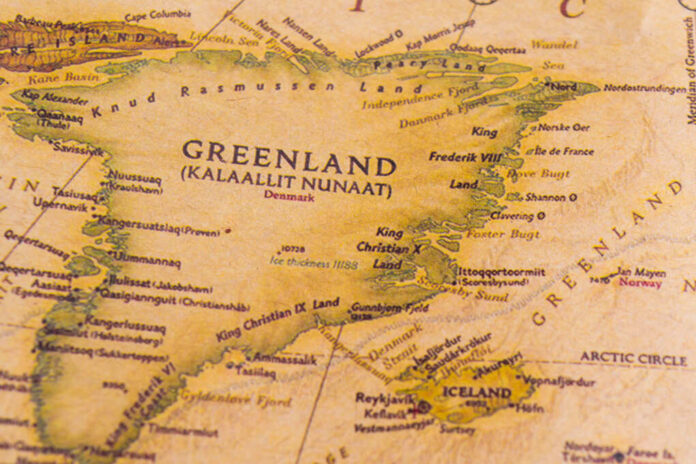
Trump’s push to bring Greenland under the American flag is colliding with skeptical Republicans and European allies, raising big questions about national security, costs, and the limits of U.S. power.
Story Snapshot
- Trump’s team is exploring ways to buy or otherwise acquire Greenland from Denmark, reviving a long-standing but controversial idea.
- Leaked plans describe per-person cash offers to Greenlanders and open talk of keeping “military options” on the table.
- A House bill, the Red, White, and Blueland Act, would authorize negotiations and even rename Greenland under U.S. control.
- Denmark, Greenland’s leaders, and key European partners insist the island is “not for sale,” while some Senate Republicans balk at coercive tactics.
Why Greenland Is Back on Trump’s Strategic Map
Donald Trump’s second-term team has pushed the idea of acquiring Greenland from a fringe talking point into an active policy project anchored in national security and great-power competition. The Arctic is increasingly viewed by U.S. commanders as the shortest and least defended route to the American homeland, especially as melting sea ice opens new shipping lanes and military avenues. Trump’s advisers argue that ownership of Greenland would cement U.S. control over this emerging front against Russia and China, while securing valuable mineral and rare-earth resources. Greenland already hosts a critical American presence at Thule, now Pituffik Space Base, tying the island directly into missile warning, space surveillance, and Arctic operations.
Watch:
The Cash Offers, the Military Talk, and the Red, White, and Blueland Act
Internal discussions reported from early 2025 describe a striking tactic: direct cash offers to Greenland’s roughly 56,000 residents, ranging from five figures up to $100,000 apiece, as an incentive to break from Denmark and join the United States. The total projected cost, around a few billion dollars, is tiny compared with recent Washington spending blowouts, and backers contend it could be a bargain for territory that would rank among the most consequential land acquisitions in American history.
At the same time, Secretary of State Marco Rubio has told lawmakers in a classified briefing that the administration is actively pursuing the purchase and that this has long been part of Trump’s thinking. White House press secretary Karoline Leavitt has publicly refused to rule out military options, while stressing that diplomacy remains the preferred path.
Allies Push Back While Republicans Split on Tactics
Denmark’s government, backed by Greenland’s elected leaders and several European partners, has reacted with unusually sharp language for dealings with Washington. Officials insist that Greenland belongs to its people, not to any foreign bidder, and they reject the idea of treating a self-governing territory like a real-estate listing. European leaders frame the rhetoric about keeping force “on the table” as bullying that undercuts the trust and mutual respect expected among NATO allies, particularly when the stated U.S. concern is protecting the alliance’s own northern flank.
Inside the Republican Party, the divide is less about whether Greenland is strategically valuable and more about how far America should go to obtain it. Nationalist-oriented lawmakers and some House sponsors of the Red, White, and Blueland Act emphasize that Congress has clear constitutional authority to admit new territories and that past presidents used purchases like Louisiana and Alaska to secure the nation’s future.
What This Fight Means for Conservatives Going Forward
On one hand, using the country’s economic strength to lock down a vital strategic asset fits a vision of unapologetic American power after years of appeasing multinational institutions. On the other hand, the talk of military options against a partner and the idea of direct cash inducements to foreign populations raise questions about precedent, fiscal priorities, and constitutional boundaries.
Whatever happens to the Red, White, and Blueland Act, the episode confirms that the Arctic will no longer be a quiet backwater of U.S. policy. Congress will have to weigh the costs, the risks to alliances, and the long-term benefits of any deeper commitment. For conservatives, the core challenge is ensuring that efforts to counter China and Russia in the north strengthen, rather than erode, the constitutional order, fiscal responsibility, and respect for national sovereignty that distinguish an America-first foreign policy from the reckless adventurism of past globalist elites.
Sources:
Trump admin reportedly considers paying each Greenland resident up to $100K amid U.S. takeover talks
Proposed United States acquisition of Greenland
Rubio says Trump wants to buy Greenland while White House dangles military option
Red, White, and Blueland Act of 2025
Trump, Greenland, and the logic and chaos of U.S. Arctic policy
Trump may not need to buy Greenland to expand U.S. military presence