
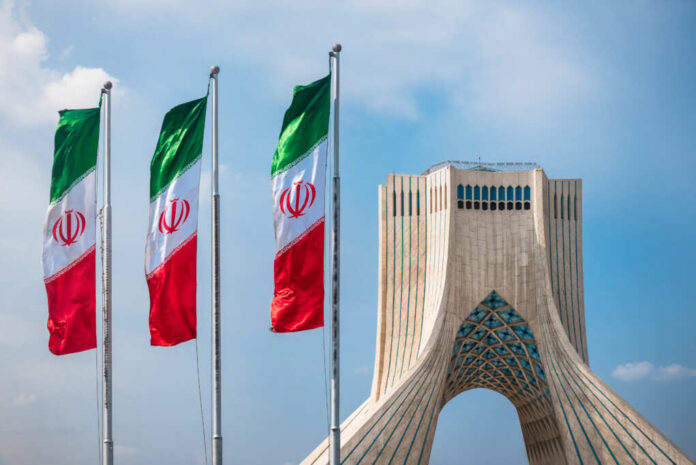
A new U.S. military strategy under Trump’s second term aims to rectify what many conservatives view as Obama’s biggest foreign policy blunder, the JCPOA, by escalating pressure on Iran.
Story Overview
- Trump’s 2025 strategy involves reimposing “maximum pressure” on Iran.
- The JCPOA is criticized for enabling Iran’s nuclear advancements.
- Recent U.S. military strikes on Iranian nuclear sites aim to curb Iran’s program.
- Iran’s response includes retaliatory actions and claims of victory.
Trump’s 2025 Strategy Against Iran
In 2025, President Donald Trump has intensified efforts to counter Iran’s nuclear ambitions, following his withdrawal from the Joint Comprehensive Plan of Action (JCPOA) in 2018. His administration’s strategy focuses on reapplying “maximum pressure” tactics to undermine Iran’s nuclear capabilities and regional influence. This approach seeks to rectify what many view as the shortcomings of the 2015 JCPOA, which critics argue allowed Iran to progress its nuclear program under the guise of diplomacy.
Trump’s policy has involved not only economic sanctions but also military actions. In June 2025, U.S. forces conducted strikes on key Iranian nuclear facilities, including Fordow, Natanz, and Isfahan. These strikes were part of an effort to halt Iran’s nuclear advancements, which have been a point of contention since the JCPOA’s inception. The strikes are seen by supporters as a necessary step to protect national security and uphold conservative principles of strength and deterrence.
Iran’s Reaction and Regional Impacts
Iran, led by Supreme Leader Ayatollah Ali Khamenei, has responded defiantly to the U.S. actions. Khamenei dismissed the effectiveness of the U.S. strikes and declared a symbolic victory over American efforts. Iranian forces retaliated by targeting the Al Udeid Air Base, though no casualties were reported. The regional tension has escalated, with Iran’s proxy groups, such as the Houthis, posing additional threats to U.S. and allied interests.
The ongoing conflict and Iran’s retaliatory measures have significant implications for Middle Eastern stability. The disruption in global oil supplies due to Houthi threats and the broader geopolitical instability continue to be a concern for international markets. Furthermore, the political divide between the U.S. and its European allies, who have expressed reluctance over Trump’s unilateral actions, highlights the complexity of diplomatic relations in handling Iran’s nuclear threat.
Future Prospects and Conservative Perspectives
Looking ahead, the potential for renewed negotiations remains uncertain. Trump’s administration has indicated that any future agreement must address not only Iran’s nuclear program but also its missile capabilities and support for proxy groups. This comprehensive approach aligns with conservative values that prioritize national security and counterterrorism.
The Great Iranian ‘Reverse Uno Card’: Can Trump Fix Obama’s Biggest Foreign Policy Blunder? https://t.co/vI0NS1L2hx
— Kendall Edwards (@Kendall5912) January 3, 2026
While the strikes have temporarily hindered Iran’s nuclear advancements, the long-term solution requires sustained diplomatic and strategic initiatives. The conservative perspective underscores the importance of maintaining pressure on Iran to ensure compliance and regional stability. As the U.S. navigates these challenges, the focus remains on safeguarding American interests and reinforcing constitutional values against foreign threats.
Sources:
Timeline of U.S.-Iran Relations (1953-2025) – CFR
Timeline of U.S.-Iran Nuclear Talks – USIP
Timeline of Growing Tensions Between the U.S. and Iran – ABC News
A Comprehensive Timeline of the Iran Nuclear Deal – Brookings