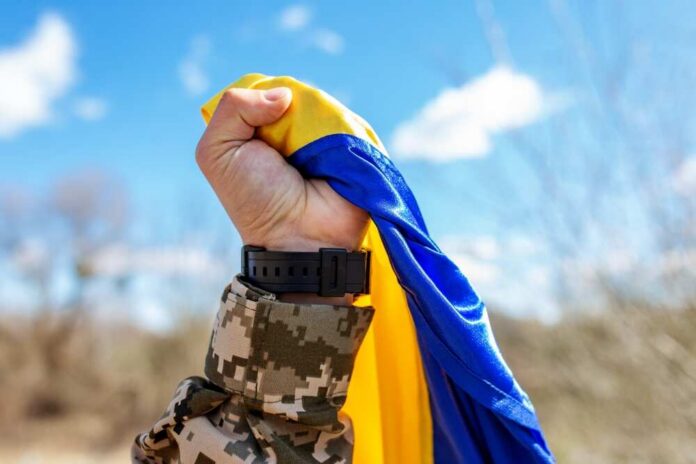
Viral images of emaciated Ukrainian soldiers have exposed a disturbing breakdown in military command, raising questions about whether those running the war are more concerned with protecting their own positions than the lives of frontline troops.
Story Snapshot
- Shocking photos of starving Ukrainian troops surfaced online April 23, 2026, forcing Defense Ministry to rush emergency supplies to the front
- A battalion commander resigned after slamming top brass for “stupid tasks” causing needless casualties, though no direct sacking for starvation confirmed
- Radio intercepts and POW accounts allege commanders abandoned wounded soldiers and fled positions amid morale collapse
- Defense Minister disclosed 200,000 AWOL soldiers as desertion crisis intensifies across eastern and southern fronts
Disturbing Images Force Official Response
Ukrainian Defense Ministry scrambled to respond after disturbing photographs of malnourished frontline soldiers went viral on social media April 23, 2026. The images, showing gaunt troops in dire conditions, sparked immediate outrage and questions about supply chain failures. Ministry officials rushed aid to affected units while downplaying the incident as isolated, but the damage to public confidence was already done. The photographs contradicted official narratives of well-supplied forces and exposed cracks in Ukraine’s military logistics as the conflict enters its fifth year.
Commander Resigns Over Leadership Failures
Oleksandr Shyrshyn, a battalion commander with Ukraine’s 47th Brigade, submitted his resignation in a scathing Facebook post that accused top generals of political games and senseless orders. Shyrshyn wrote that leadership decisions caused “stupid loss of people” and declared “everyone is going to hell.” His public rebuke highlighted growing frustration among mid-level officers who witness firsthand the consequences of what they view as incompetent decision-making from comfortable headquarters far from danger. The General Staff initially offered no comment on his resignation, which underscored the widening gap between field commanders and top brass.
Reports of Abandonment and Desertion
Radio intercepts and prisoner-of-war testimonies paint a grim picture of command failures across multiple fronts. One intercepted communication captured a Zaporizhia commander deciding to abandon a wounded soldier in an open field. Ukrainian POWs described being left to starve by fleeing officers, with some framing surrender as the only rational choice for survival. These accounts, while originating from Russian-aligned sources and requiring cautious interpretation, align with Defense Minister Mykhailo Fedorov’s admission that 200,000 Ukrainian soldiers are absent without leave. Whether propaganda or truth, the scale of the desertion crisis suggests fundamental problems with morale and leadership trust.
Systemic Problems Beyond Individual Incidents
The starvation images and resignation represent more than isolated failures—they point to systemic dysfunction in Ukraine’s military hierarchy. Frontline units report encirclement and supply paralysis in eastern regions including Zaporizhia and Minugrad, where Russian advances have intensified pressure. Top commanders face accusations of prioritizing career preservation over tactical reality, issuing orders disconnected from battlefield conditions. Mid-level officers like Shyrshyn argue that generals “trembling” in their positions make decisions to avoid political blame rather than military necessity. This dynamic creates a vicious cycle where those closest to combat have least influence over strategy.
Ukrainian commander sacked after troops left starving at front https://t.co/Qrb4dx5xJ5
— ST Foreign Desk (@STForeignDesk) April 24, 2026
The crisis exposes uncomfortable truths about wartime leadership accountability. Soldiers and their families deserve commanders who prioritize mission success and troop welfare over bureaucratic survival. When leadership fails to provide basic supplies or coherent strategy, frontline troops pay with their lives while those responsible face minimal consequences. The Ukrainian government’s quick damage control following viral images suggests officials understand the political danger, but emergency supply runs cannot fix broken command structures. Real reform requires replacing failed leadership and empowering officers who understand ground realities, not protecting positions of those whose decisions led to starvation and abandonment in the first place.
Sources:
Kyiv Post – Ukraine Admits Supply Failures After Shocking Photos of Starving Troops