
Two CIA officers died in a fiery ravine crash after a counterdrug mission in Mexico—then Washington and Mexico City gave conflicting accounts about what Americans were doing on the ground.
Quick Take
- Two CIA officers and two Chihuahua state investigators were killed returning from an operation tied to destroying clandestine drug labs in northern Mexico.
- Mexico’s president ordered an investigation after saying the federal government was not aware of “direct work” by U.S. personnel.
- Chihuahua officials described the Americans as routine “instructor officers,” a characterization that clashes with reporting that links the deaths to a post-raid return trip.
- The spotlights growing U.S.-Mexico security cooperation driven by the fentanyl crisis—and the sovereignty friction that follows when oversight is unclear.
What Happened in Chihuahua—and Why It Became a Diplomatic Issue
Two CIA officers and two investigators from Chihuahua’s State Investigation Agency (AEI) died Sunday, April 19, 2026, when their vehicle reportedly skidded at night in northern Chihuahua, plunged into a ravine, and exploded. Reporting tied the crash to a return trip after a joint effort aimed at dismantling clandestine drug labs in the municipality of Morelos. U.S. officials later confirmed the CIA connection publicly, a rare acknowledgment in Mexico.
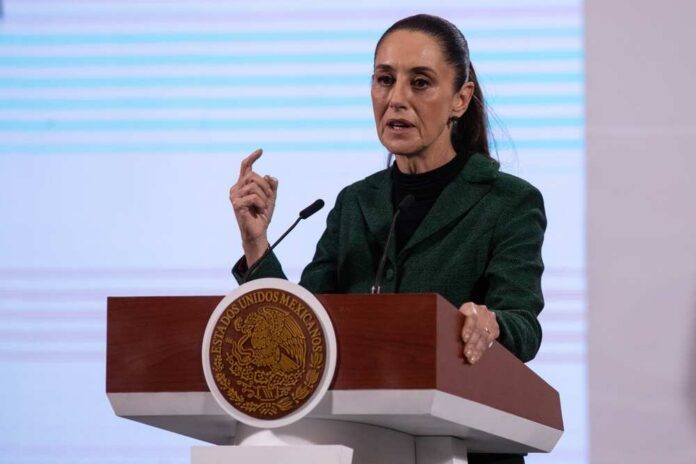
Mexican President Claudia Sheinbaum’s response turned the tragedy into a political test. She said Mexico’s federal government was not aware of any “direct work” by U.S. personnel and demanded more information from local authorities and the United States. That matters because Mexico’s constitution and political culture are highly sensitive to foreign security activity, especially anything that looks like unilateral action. When Washington stays quiet for operational reasons, mistrust tends to fill the gap.
Conflicting Narratives: “Instructor Officers” Versus Post-Operation Travel
Chihuahua state officials pushed back on the idea that U.S. personnel took part in a raid. State prosecutor César Jáuregui Moreno described the Americans as “instructor officers” involved in routine training and said they met investigators after the operation rather than participating directly. At the same time, reporting based on AP sources described the deaths as occurring while returning from an operation to destroy drug labs. Without public operational records, the key unresolved question is straightforward: training support or field support?
The U.S. Embassy in Mexico offered only a carefully limited description, saying personnel were supporting Chihuahua state authorities’ efforts against cartel operations, while declining to identify the deceased or discuss agency roles. That kind of tight-lipped posture is normal for intelligence services, but it can also fuel political blowback when a partner government claims it wasn’t fully briefed. In practice, the lack of transparent lines—who authorized what, and through which channel—can be as damaging as the incident itself.
Why This Matters to Americans: Fentanyl, Border Pressure, and Accountability
The immediate driver behind deeper cooperation is the fentanyl pipeline and the U.S. demand to disrupt cartel production and trafficking networks upstream. Reporting described expanded U.S.-Mexico intelligence collaboration amid pressure to crack down on cartels, with Chihuahua working closely with U.S. counterparts for months on drug lab investigations alongside Mexico’s federal army. For U.S. voters frustrated with years of deadly drugs and porous enforcement, the mission underscores that cartel power is not abstract—it reaches into U.S. communities.
Sovereignty Friction and the “Deep State” Problem Both Sides Suspect
Sheinbaum’s investigation highlights a recurring fault line: local or regional partnerships can move faster than national politics, but they can also bypass normal oversight. Chihuahua’s autonomy and direct ties with U.S. counterparts may help disrupt drug labs quickly, yet it risks federal backlash in Mexico City if leaders believe sovereignty was sidelined. For Americans—right and left—already skeptical that government institutions tell the full story, conflicting statements reinforce a familiar concern: major security operations often happen behind closed doors.
Two CIA officers die in Mexico accident after counternarcotics operation https://t.co/71knSSSHjV
— Grizzly Joe 🇺🇸🇮🇱 👊 (@GrizzlyJoeShow) April 22, 2026
Authorities have not publicly resolved the most sensitive issue: whether the crash was purely accidental or whether anything else contributed. A Fox News analyst raised the possibility of vulnerability after such operations, but available reporting does not confirm foul play. That evidentiary gap is important—because responsible analysis separates what is verified (four dead; crash after a counterdrug context; dispute over the U.S. role) from what remains unproven. Until Mexico’s federal probe produces specifics, policy decisions will be based on trust, not transparency.
Sources:
2 CIA officers killed in Mexico vehicle crash after counterdrug operation, AP sources say
CIA personnel killed in Mexico crash tied to cartel operation; questions mount over US role
Mexico CIA killed Claudia Sheinbaum