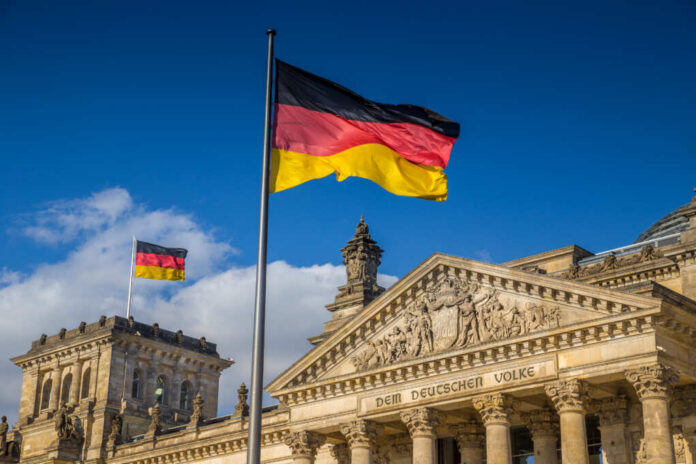
After years of punishing industry with green mandates and sky-high energy costs, Germany’s political class is suddenly demanding “location patriotism” from the very companies their policies helped drive away.
Quick Take
- German leaders are promoting “location patriotism” and “European patriotism” to keep investment and sourcing at home as industrial pressure grows.
- Reuters-syndicated reporting quotes Finance Minister Lars Klingbeil urging Europe-made procurement and tighter state-aid rules tied to EU jobs.
- A prominent commentary argues the rhetoric looks hypocritical after decades of cultural suspicion toward patriotism and nation-first thinking.
- The push reflects a broader European pivot away from globalism toward protective policies amid trade pressure in the Trump era.
Germany’s New “Patriotism” Pitch Meets an Old Energy Problem
German debate has shifted from export optimism to damage control as manufacturers weigh production outside Europe. Reporting and commentary both point to a common stressor: persistently high energy costs after the Russia-Ukraine shock, combined with Germany’s ongoing energy transition choices. Germany’s economy has long relied on competitive industrial power prices, and when that edge weakens, officials reach for slogans that signal urgency to workers and investors.
Calls for “Standortpatriotismus”—often translated as “location patriotism”—center on a simple demand: companies should prefer Germany for sourcing, investment, and jobs. The conservative critique in the ZeroHedge piece frames this as a late-stage rebrand, arguing political and cultural elites treated traditional patriotism as suspect for decades, then revived a sanitized version only when economic consequences became impossible to ignore. That argument is rhetorical, but the underlying policy pressure is real.
Klingbeil’s “European Patriotism” Push Signals a Protectionist Turn
German Finance Minister Lars Klingbeil has publicly advocated “European patriotism,” urging consumers and governments to buy goods produced in Europe and to tie state aid more tightly to European jobs. Multiple outlets carrying Reuters text describe the pitch as a response to an increasingly hard-nosed global environment, where trade tools and subsidies are used strategically. The message: Europe should behave less like an open marketplace and more like a bloc defending its industrial base.
For American readers, the irony is familiar. European leaders frequently scolded U.S. voters for wanting secure borders, energy realism, and national interest trade policy—then pivoted to similar ideas when their own system started bending. The reporting does not show new German laws fully enacted yet, but the rhetoric matters because it cues future procurement rules, subsidy conditions, and “buy European” preferences. Those tools can quickly become barriers for outsiders once codified.
Schneider’s Domestic Sourcing Demands Highlight State Direction of Industry
Germany’s environment leadership has also leaned into more directed industrial planning. The ZeroHedge report cites Environment Minister Carsten Schneider urging automakers to source raw materials domestically, a stance that fits the broader pattern of governments trying to manage supply chains from above. The research summary notes that the exact interview text is not fully documented in the provided materials, so readers should treat specific wording cautiously while recognizing the broader policy direction.
This is where the “green industrial policy” debate becomes tangible. If regulators constrain energy options while simultaneously insisting companies source locally and maintain employment at home, the state is effectively commanding outcomes without guaranteeing the conditions needed to stay competitive. Conservative economics typically warns that such top-down planning misprices risk and capital. The research also notes factory-closure pressures in recent years, suggesting Germany is trying to stop a trend rather than celebrate a success.
What It Means for the U.S. in Trump’s Second Term
In 2026, with President Trump back in office, trade and industrial policy are no longer treated as polite academic debates. The research indicates Germany’s messaging intensified as U.S. tariffs and broader trade leverage became part of the global landscape again. Germany’s response—more Europe-first procurement and sovereignty language—should be read as a signal that allies can also become competitors when domestic politics demand jobs and growth, not slogans.
For conservatives watching globalism unwind, Germany’s “location patriotism” moment is a case study: elites often dismiss national loyalty until economic reality forces them to rediscover it. The open question is whether Europe will fix core inputs—especially affordable, reliable energy—or attempt to subsidize and regulate its way out. The sources here provide rhetoric and early positioning, but limited confirmed detail on concrete legislation, so the best takeaway is directional: a stronger push for managed trade and bloc-centered economics.
Sources:
Germany’s Elites Demand ‘Location Patriotism’ As Green Industrial Policy Unravels
Trump’s new order and Germany’s comeback opportunity
German finance minister calls for European patriotism to counter global threats
German finance minister calls for European patriotism to counter global threats
German finance minister calls for European patriotism to counter global threats
How to talk about European security in 2026
European bishops appeal for unity, warn against idolatry of nationalism