
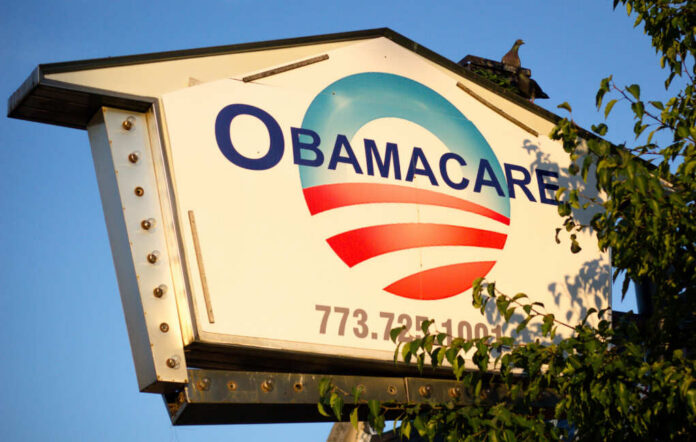
As Obamacare premiums spike and federal subsidies fade, millions of Americans are quietly walking away from the so‑called “Affordable” Care Act.
Story Snapshot
- Analysts expect Obamacare marketplace enrollment to drop by roughly 4 to 6 million people in 2026 as subsidies expire and premiums surge.
- Average premiums on the marketplaces are rising about 20% this year, hammering middle‑class families already strained by inflation and higher interest rates.
- Early sign‑up and payment data show the steepest one‑year enrollment decline since Obamacare launched.
- The episode exposes how Washington used temporary subsidies to mask the true cost of a troubled law instead of fixing the underlying price drivers.
Obamacare’s Record Drop: When “Affordable” Insurance Is Anything But
Independent health policy researchers at KFF report that 2026 Obamacare marketplace plan sign‑ups fell by more than one million people, dropping to about 23.1 million during open enrollment — the sharpest single‑year decline since these exchanges began.[1] That headline number is only the first warning sign. Because not everyone who selects a plan actually pays the bill, KFF estimates that average effectuated enrollment this year could fall roughly 17% to 26%, implying a loss of about 3.8 million to 5.8 million covered lives.[1]
The projected enrollment collapse lines up with what the Congressional Budget Office warned years ago would happen once the Biden‑era “enhanced” premium tax credits expired.[2][4] Those extra subsidies, first supercharged during the pandemic and then temporarily extended through 2025 in the so‑called Inflation Reduction Act, artificially slashed marketplace premiums by about forty percent for subsidized enrollees.[2][4] When that short‑term sugar high ended on December 31, 2025, millions of families were suddenly exposed to the real underlying cost of Obamacare coverage.
Sticker Shock: Premiums Spike After Subsidy Sugar High Ends
According to a detailed analysis of insurer filings, companies selling plans on the marketplaces raised premiums by an average of about twenty percent for 2026.[3] That jump comes on top of the loss of enhanced subsidies that had been cutting net premiums nearly in half for many low‑ and middle‑income enrollees.[2][4] One regional report covering Kansas and Missouri found 2026 plan sign‑ups falling 3.6% in Kansas and a staggering 12.3% in Missouri once the richer tax credits disappeared, affecting more than fifty‑one thousand residents just in those two states.[2]
These numbers confirm what many conservative economists have said from the beginning: Obamacare did not make health care cheaper, it just hid the true price behind federal subsidies and ever‑growing deficits. When Washington dangles extra tax credits, enrollment surges; when the money runs out, families face breathtaking renewal quotes and understandably walk away.[2][4] KFF notes that nearly all of the enrollment growth between 2021 and 2025 was among people receiving advanced premium tax credits, underscoring how dependent the law became on temporary federal cash rather than genuine cost reform.[2][4]
Middle America Squeezed While Bureaucrats Celebrate “Coverage Gains”
The Congressional Budget Office previously projected that, once enhanced subsidies ended, marketplace enrollment would contract from about 22.8 million in 2025 to roughly 18.9 million in 2026, with further erosion to as low as 15.4 million by 2030.[2][4] Researchers now say the early 2026 data are broadly consistent with that warning.[1] Meanwhile, the share of enrollees receiving any subsidy at all has slipped from about 92% in 2024 and 2025 to about 87% for 2026, according to coverage of federal data. That means a larger slice of people are paying the real, unsubsidized price.
For many working families who earn “too much” to qualify for the most generous aid, the numbers are brutal. Analyses using recent premium levels estimate that, without the enhanced credits, annual net costs could jump by twenty‑five to one hundred percent depending on income, with middle‑income households often paying hundreds or even thousands more.[4] One study projected that millions could become uninsured, particularly if relatively healthier people drop coverage first, leaving a sicker, more expensive risk pool and pushing premiums even higher.[4] That is a classic government‑created death spiral: Washington distorts the market, then taxpayers and responsible families get stuck with the bill.
Why Conservatives See a Failed Model, Not Just a Temporary Glitch
The 2026 enrollment slump is not just a blip; it is the predictable result of building a health system on mandates, price controls, and temporary subsidies instead of transparency and competition. KFF itself distinguishes between initial plan selections and final effectuated coverage, stressing that current estimates for 2026 are still model‑based rather than a complete census.[1] Yet even those cautious projections point to at least a seventeen percent drop in enrollment this year, roughly in line with earlier forecasts once the subsidy cliff arrived.[1][2][4]
ACA marketplace enrollment is down 13.5% year-over-year as of April. How low will it go by year's end?https://t.co/PObf5A3YuN
— xpostfactoid (@xpostfactoid) May 20, 2026
For conservatives, the lesson is clear. Americans do not need more short‑term handouts that expire conveniently after elections; they need lower underlying costs driven by choice, price honesty, and less federal micromanagement. President Trump’s team now faces a health care landscape distorted by years of Biden‑era spending and regulation. Reversing the damage will require unwinding Obamacare’s maze of mandates, freeing states and private innovators, and letting families buy coverage that fits their needs instead of Washington’s agenda. The alternative is more subsidy cliffs, more broken promises, and more middle‑class Americans priced out of care.
Sources:
[1] Web – What We Know So Far About 2026 ACA Marketplace Enrollment …
[2] Web – [PDF] The Impact of Expiring ACA Subsidies Across Kansas and Missouri
[3] Web – How much and why ACA Marketplace premiums are going up in 2026
[4] Web – The State of the ACA Market in 2026