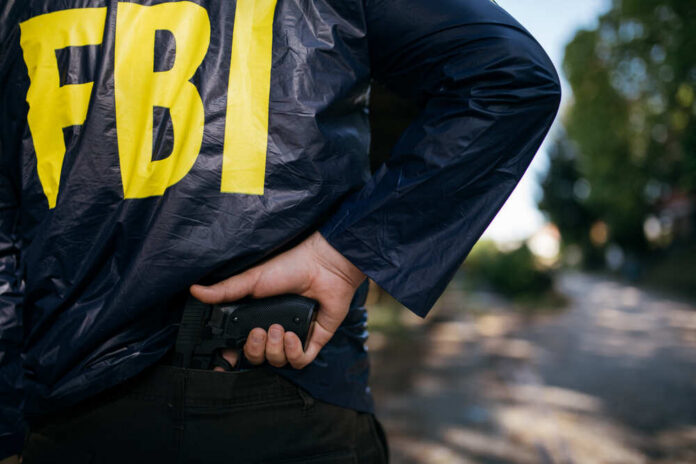
Federal agents say they caught the first “Most Wanted Fraudster,” raising fresh questions about how billions in pandemic aid were watched.
Story Snapshot
- Federal Bureau of Investigation (FBI) arrested Said Abdullahi Ereg, who was accused of a $4.2 million child nutrition fraud scheme [1].
- Prosecutors alleged false claims for over 1.4 million meals during the pandemic and money transfers overseas [1].
- A January 24, 2024 federal arrest warrant marked the case’s move into formal charges [1].
- The arrest follows the FBI’s new “Most Wanted Fraudsters” campaign to spotlight major fraud cases [2].
Arrest Tied to Pandemic Child Nutrition Allegations
The FBI arrested Said Abdullahi Ereg, who was publicly listed on the bureau’s “Most Wanted Fraudsters” roster for an alleged child nutrition fraud during the COVID-19 period [1]. Prosecutors claimed he submitted false claims for over 1.4 million meals and received more than $4.2 million in payments [1]. Officials said the funds supported a lavish lifestyle and moved to foreign accounts controlled by overseas companies [1]. These are allegations, not proven facts, and the defense position is not visible in the provided record [1].
The case advanced last year when a federal arrest warrant was issued on January 24, 2024, signaling a formal step beyond early inquiry [1]. The charging theory includes conspiracy to commit wire fraud and money laundering, which is typical in structured financial fraud prosecutions [1]. The FBI’s “Most Wanted Fraudsters” list framed the case and sought public tips, highlighting how agencies now brand complex white-collar cases for wider attention and faster arrests [2].
Why This Case Resonates Across Political Lines
Pandemic programs moved fast and paid fast. That speed helped people but also made fraud easier. Many Americans now believe Washington struggles to guard tax dollars while also serving those in need. This arrest underscores that view. The government had to launch a public “Most Wanted” campaign to find a suspect tied to basic child nutrition funds [2]. That stings for families who saw food costs rise while taxpayer money may have been misused [1].
Conservatives see this as proof that loose oversight and emergency spending invited abuse. Liberals see it as proof that weak controls hurt safety-net goals and fuel distrust. Both sides see a system where big dollars move with thin checks and few clear answers. Until courts test the evidence, the case highlights a larger failure: government systems that pay first and confirm later, leaving the public to foot the bill if claims were fake [1].
Evidence Gaps and Due Process Limits
The public record here leans on summaries, not primary filings. The available source is a media transcript of prosecutors’ claims and a date for the arrest warrant [1]. It does not include the indictment text, complaint, or affidavit. It does not show meal logs, site checks, or bank records that would prove or disprove the charges. Without those documents, the public cannot verify what was served, what was billed, or how money moved [1].
𝐓𝐇𝐄 𝐅𝐁𝐈 𝐖𝐈𝐋𝐋 𝐏𝐀𝐘 $𝟏𝟓𝟎,𝟎𝟎𝟎 𝐅𝐎𝐑 𝐀 𝐅𝐔𝐆𝐈𝐓𝐈𝐕𝐄 𝐖𝐇𝐎 𝐁𝐈𝐋𝐋𝐄𝐃 𝐓𝐀𝐗𝐏𝐀𝐘𝐄𝐑𝐒 𝐅𝐎𝐑 𝐌𝐈𝐋𝐋𝐈𝐎𝐍𝐒 𝐈𝐍 𝐅𝐀𝐊𝐄 𝐂𝐇𝐈𝐋𝐃 𝐌𝐄𝐀𝐋𝐒
The FBI just put Said Abdullahi Ereg on its brand-new Most Wanted Fraudsters list and attached a… pic.twitter.com/4rlMGYu1lg
— M.A. Rothman (@MichaelARothman) June 6, 2026
The FBI’s branding push helps drive tips and arrests, but it also risks shaping public opinion before trials. Labels like “Most Wanted Fraudsters” can lock in a story long before a verdict. The arrest matters, and the amounts are large, but guilt is not decided by lists or press lines. Strong transparency would mean fast release of core filings and clear proof standards. That would protect tax dollars and also protect due process [2].
What to Watch Next
Watch for unsealed charging documents and any detailed affidavits. Those should show the time line, the meal counts, and the alleged money trail. Look for bank records, reimbursement ledgers, and inspection reports. These would show whether claims were false or simply disputed. Track court deadlines, motions, and any forfeiture filings. Each item can confirm or weaken parts of the story. The goal is simple: facts first, then judgment [1][2].
Sources:
[1] Web – DOJ’s 1st ‘Most Wanted Fraudster’ arrested by the FBI
[2] Web – Two former Hennepin County information technology employees …