Freshly resurfaced Biden–Hur interview audio is reigniting a fight over justice and transparency, sharpening doubts about whether the system protects insiders more than it informs the public.
Story Snapshot
- Hur’s report described Joe Biden’s memory as “significantly limited” and cited specific lapses during the interview [5][6].
- The audio underscores long pauses and uncertainty, fueling claims of cognitive decline among critics [1].
- Hur said he declined charges because he could not prove willfulness beyond a reasonable doubt [3].
- Analysts argue the same record can be read narrowly as legal, not medical, and was framed for jury viability [2][6].
What The Newly Circulating Audio Shows And Why It Matters
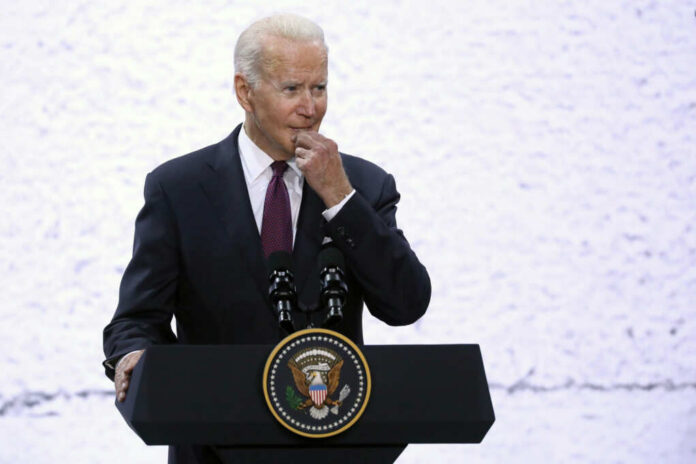
Axios reported that the Biden–Hur audio contains long pauses and moments where Joe Biden struggled to recall dates and basic details, including personal milestones and official timelines [1]. Special Counsel Robert Hur’s February 2024 report already highlighted those memory issues, stating Biden’s recollection was worse during the interview, with failures to remember when he served as vice president [5][6]. The audio’s reappearance now intensifies a lingering question that crosses party lines: whether the justice system explains decisions candidly or shields elites from full accountability.
Voters who distrust Washington hear the tape and see a two-tiered standard: ordinary people get charged for mishandling secrets, while leaders get narrative cushions about memory and juries. Hur’s report described Biden as a “well-meaning elderly man with a poor memory,” a portrayal critics interpret as an implicit trial strategy that prefigured a declination [6]. Supporters counter that juries routinely evaluate credibility and recollection, and any responsible prosecutor must weigh how a defendant would appear to jurors before bringing charges [6].
The Legal Bottom Line: Declination And Intent
Hur has said the central issue was willfulness, the legal requirement to prove that Biden knowingly and intentionally mishandled classified information beyond a reasonable doubt [3]. According to Hur, assessing Biden’s state of mind, including memory, was part of evaluating intent, not a medical diagnosis [3]. That framing explains why the report emphasized likely jury reactions: prosecutors regularly consider whether evidence of intent and credibility can actually win at trial, not just whether conduct looks problematic on paper [3].
Legal analysts on the other side argue portions of the transcript and context complicate the broad brush of “poor memory.” They point to exchanges that show Biden recalling details with specificity at times, suggesting a mixed record rather than a uniform deficit [2]. Politico’s review noted that Hur even praised Biden’s “photographic understanding and recall” on certain Afghanistan details during questioning, illustrating why selective emphasis can steer public perception of the same source material [10]. Those differences fuel the charge that the debate is as much about framing as about facts.
Competing Readings Of The Same Record
Neutral context helps explain why partisans reach opposite conclusions from one interview. The investigation’s institutional task was determining whether a jury would be convinced of criminal intent, which placed Biden’s demeanor and recall inside a legal calculus rather than a clinical assessment [6]. Media coverage, by contrast, packaged the pauses and stumbles into a narrative about age and capacity, while political actors highlighted the elements that best reinforced preexisting beliefs, from decline to exoneration [1][2][6].
Oh, you definitely are Boo. Remember how your ilk always maintained Biden was fit for office, until Hur reminded y'all that Biden couldn't stand trial because he was a "sympathetic, well-meaning, elderly man with a poor memory?" 🤣🤣🤣
— Totallldigital (@totallldigital) May 26, 2026
For citizens already skeptical of government candor, the cross-pressures look familiar: prosecutors seek defensible declinations, the White House prefers minimizing damage, and media outlets prize clips that travel. The result is a trust gap that outlasts any single case. The audio adds texture to Hur’s written assessment, but it does not resolve the core dispute. One side hears confirmation of frailty; the other hears a reasonable legal explanation that intent was unprovable. Both can cite the same documents to argue their case [1][2][3][5][6][10].
Sources:
[1] Web – Remember the Tapes From Special Counsel Robert Hur That Showed Joe Was …
[2] Web – Exclusive: Prosecutor’s audio shows Biden’s memory lapses – Axios
[3] Web – Biden Interview Transcript Reveals Some Flaws in the Hur Report
[5] YouTube – Robert Hur says his report’s assessment of Biden’s memory was …
[6] Web – [PDF] report-from-special-counsel-robert-k-hur-february-2024.pdf
[10] Web – President Joe Biden: The 2022 60 Minutes Interview Transcript – Rev