
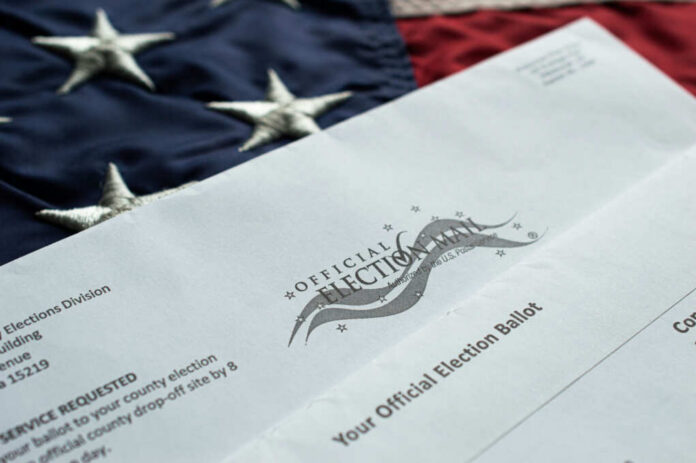
Burn-damaged ballots discovered in a Los Angeles County drop box days before voting have intensified doubts about whether election safeguards are working as advertised.
Story Snapshot
- Fire-damaged vote-by-mail ballots were reportedly found inside an official Los Angeles drop box shortly before a local election [7].
- California law criminalizes unauthorized access to ballots and voting technology, reflecting high sensitivity around custody and interference [2].
- State guidance says officials must protect ballot handling and that tampering by election officials is illegal [3].
- Officials emphasize layered defenses, paper ballots, and audits, but no public finding yet explains how or when the damage occurred [4][7].
What Happened And Why It Matters
Local reporting described multiple vote-by-mail ballots with fire-related damage found inside an official Los Angeles ballot drop box shortly before an election, prompting fresh scrutiny of ballot custody practices [7]. California’s legal and administrative framework treats custody as critical infrastructure, banning unauthorized access and mandating strict handling protocols [2][3]. The incident resonates across party lines because ballots are the system’s foundation; visible damage raises immediate questions about deterrence, detection, and recovery procedures before votes are counted.
California’s Secretary of State underscores that it is illegal for election officials to tamper with the process and outlines protections such as signature verification and chain-of-custody safeguards [3]. The state also requires paper ballots or a voter-verifiable paper audit trail and mandates manual audits of random samples after each election [4]. Those layers are designed to limit systemic risk even when a localized problem occurs. Still, without a full account of the burn event, voters lack clarity on cause, scope, and remediation.
What The Law And Guidance Guarantee—And What They Do Not
Recent legislation prohibits law enforcement from seizing ballots from election officials and criminalizes unauthorized access to voting technology without a court order, reflecting heightened sensitivity to interference risks [2]. Official guidance frames threats as “very real,” promoting paper-based records and audits to detect anomalies [4]. These measures support resilience, but they do not, by themselves, explain whether damaged ballots were recoverable, how chain of custody was preserved post-incident, or whether any voter intent was lost during duplication or rejection processes.
Experts and state materials argue that California’s election systems are difficult, but not impossible, to compromise, stressing both vigilance and redundancy [1][4]. That framing aligns with bipartisan concerns: citizens distrust institutions they believe protect themselves first and inform the public last. The discovery of burned ballots tests whether transparency can match the promise of layered defenses. Clear, timely disclosures about incident handling would help verify whether safeguards functioned under stress, rather than asking the public to take resilience on faith.
What We Still Do Not Know
Publicly available information does not identify who caused the burn damage, how it was done, or when it occurred relative to deposit in the drop box [7]. No primary-source incident report from the county registrar or the California Secretary of State has been produced in the provided record establishing a formal breach finding or systemic effect [3][4]. Without that documentation, the episode remains a concrete anomaly rather than confirmed tampering, and the scale of risk to vote tabulation remains uncertain.
California Election Security Under Fire After Ballots Found Burned https://t.co/HAjQ3A0Uds
— The Countess In Cowboy Boots (@LooneyOldLady) June 1, 2026
Key documents that could resolve uncertainty include the drop box’s chain-of-custody and retrieval logs, any incident reports filed by election workers, and guidance on ballot duplication or rejection for fire-damaged materials. Surveillance video near the site could clarify whether the damage occurred before collection, during custody, or from an external event. [1][7][9].
Sources:
[1] Web – HERE WE GO: Burned Mail-In Ballots Found in Los Angeles Drop Box DAYS …
[2] Web – Hacking California’s Election System Would Be Difficult, Not …
[3] Web – California bans cops from seizing election ballots – CalMatters
[4] Web – California Trusted Information – California Secretary of State – …
[7] Web – Election Security | California Voter Foundation
[9] Web – California Legal Protections from Election Subversion and Voter …