A quick-thinking store clerk may have stopped a former Navy SEAL from turning a political protest into a deadly blast zone aimed at police officers.
Story Snapshot
- A federal jury found former Navy SEAL Gregory Vandenberg guilty of plotting to use explosives against police at a June 2025 “No Kings” protest.
- A New Mexico store clerk refused his sale and alerted authorities after Vandenberg described plans to throw fireworks at officers.
- Prosecutors said extremist beliefs and anger at the government fueled his intent to injure law enforcement.
- The case highlights rising political rage, fears of government failure, and the thin line between speech and violent action.
How a store clerk stopped an explosives plan aimed at police
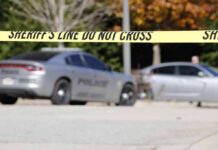
Federal prosecutors say the plot unraveled at a highway travel center near Lordsburg, New Mexico, two days before the “No Kings Day” protest in San Diego on June 14, 2025. Gregory Vandenberg, a 49-year-old former U.S. Navy SEAL, stopped to buy mortar-style fireworks and powerful firecrackers for his trip from El Paso, Texas, to California. During that visit, he allegedly told the clerk he planned to throw the explosives at police officers during the protest.
The Lordsburg clerk, identified in court reporting as Joseph Ramirez, later testified that Vandenberg did not talk about a normal fireworks show. Instead, he asked what fireworks could “injure or kill people” and said he wanted to throw the mortar rounds at officers, not launch them into the sky. Ramirez refused to complete the sale, was alarmed by the talk of violence, and contacted authorities, setting off the federal investigation that led to Vandenberg’s arrest and trial.
What the jury heard about the plot and the defendant’s beliefs
During a five-day trial in federal court in New Mexico, prosecutors walked jurors through the trip, the fireworks purchase, and Vandenberg’s own words. They said he bought six large mortar-style fireworks and about 72 M-150 firecrackers, devices strong enough to cause injury, and questioned how taping mortars together might boost their explosive force. Prosecutors argued that these details showed he cared only about the power of the blasts and their ability to hurt law enforcement officers.
Jurors also saw evidence of Vandenberg’s extremist views and deep anger toward the U.S. government. According to the government’s statement, his messages claimed the United States government, including President Trump, was controlled by Israel and Jewish people, and he displayed neo-Nazi symbols and praised terrorist groups. Prosecutors said these beliefs helped explain why he targeted police at a protest that opposed the Trump administration and its policies, tying his political rage to his plan for violence.
Conviction, sentence, and what officials say it means
After about three hours of deliberation, the federal jury convicted Vandenberg of transporting explosives with intent to kill, injure, or intimidate law enforcement officers, and attempting to transport prohibited fireworks into California. Acting U.S. Attorney Ryan Ellison said the verdict proved that people are not free to turn explosives into tools of intimidation or terror just because they are angry about politics. He warned that attempts to swap debate for violence would be met with federal consequences.
Vandenberg was later sentenced to a term in federal prison, with reports describing a 16-month sentence and continuing custody. For many Americans, that outcome lands in a tense space. Some see it as proof the system can still stop violent extremism before blood is shed. Others worry that the same system often misses threats, or punishes lower-level offenses while “deep state” insiders and powerful politicians seem to escape real accountability, reinforcing a sense that the government is both failing and uneven in its justice.
Why this case taps into wider fears about government and political violence
For conservatives and liberals alike, this story hits familiar nerves. Many on the right see one more example of chaos around protests and immigration, and of violent extremists ready to exploit unrest. Many on the left see yet another person driven by hateful ideology, blaming minorities and turning anger at the government into planned attacks. Both sides, however, can look at this case and see a system struggling to keep political conflict from sliding into street-level violence.
This case also shows how much of the public record comes from government press releases and brief trial summaries. We know a jury heard enough evidence to convict, and that a clerk’s action likely stopped a dangerous plan. But most citizens will never see the full trial transcripts or detailed exhibits. That gap feeds the growing belief on both the left and the right that elites control the story, that ordinary people only get part of the truth, and that the federal government talks tough about safety while larger problems continue.
A rare moment where an everyday citizen made the difference
Amid all the anger and distrust, one clear point stands out: an everyday worker took a threat seriously and acted. The clerk in Lordsburg did not have a fancy title, a big budget, or federal power. He had a customer, a bad feeling, and the courage to say no and call for help. That simple choice may have saved officers and bystanders from serious harm, and it cuts against the idea that only elites matter in the nation’s safety.
In a time when many Americans feel the country’s founding values are slipping away and the government serves itself, this case shows both the danger of political extremism and the power of one person doing the right thing. It underlines a hard truth: the line between peaceful protest and violent chaos is thin, and it often depends less on laws in Washington than on what regular people choose to do when they see that line about to be crossed.
Sources:
foxnews.com, jns.org, chicagotribune.com