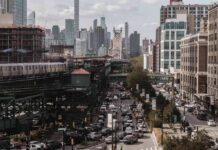
Manhattan rents set fresh records as available apartments keep shrinking, even after a citywide rent freeze on about 1 million regulated units.
Story Snapshot
- Median and average rents hit new highs while listings decline in Manhattan.
- The Rent Guidelines Board approved a freeze for rent-stabilized leases.
- New “Good Cause” rules cap what counts as a reasonable rent hike for many unregulated units.
- Supply constraints and policy choices collide as vacancy stays near the floor.
Record Prices Meet Fewer Choices
Corcoran’s June 2026 report says Manhattan’s available listings fell 16% year over year, as median rent climbed to a record $5,295. The firm said renters are “chasing a shrinking pool” and paying for it with higher prices. StreetEasy also reported a 27-month streak of annual inventory declines through May, underscoring how demand keeps beating supply across the city’s core borough. When fewer homes are listed, renters compete harder, and even modest units draw bidding wars.
Market trackers warn the pressure will not fade soon. A national brokerage forecast projects New York City’s apartment vacancy around 2.4% in 2026, the lowest among major markets, due to tight supply and high lease renewals. The Real Deal’s July analysis showed Manhattan listing inventory down sharply from last year and below the decade average, reinforcing that fewer options are driving rent growth faster than normal seasonal patterns. Tight markets punish newcomers most and keep families stuck in place.
What The Rent Freeze Actually Covers
The city’s Rent Guidelines Board voted in June to freeze rents for one- and two-year leases in rent-stabilized apartments, affecting roughly 1 million units citywide. That shield helps many longtime tenants, but it does not touch unregulated rentals where most new arrivals look first. The freeze also lands as owners report financial stress in parts of the stabilized stock, including notable vacancies in some buildings awaiting repairs or decisions about renting again. A freeze without fixes can stall turnover.
State and city officials also rolled out “Good Cause” eviction protections for many unregulated units. The state housing agency says rent increases above 10% or 5% plus inflation, whichever is lower, are presumed unreasonable under the law. New York City’s guidance pegs the 2026 local standard at 5% plus 3.38% inflation or 10%, whichever is lower, and explains how tenants can challenge hikes in court if sued for nonpayment after a large increase. The law excludes rent-stabilized and rent-controlled homes.
Why Supply Limits Keep Biting
Economists have long tied Manhattan’s high prices to rules that slow or block new homes. Classic research from Joseph Gyourko and Edward Glaeser argues that land-use limits create a “zoning tax,” making prices rise far above building costs. In plain terms, when it is hard to add height, convert space, or build near transit, the market rations the few units that exist by price. That strain is worst when jobs rebound or migration shifts people back to city centers faster than builders can respond.
Advocates for tenant protections counter that rules like Good Cause reduce unfair evictions and stabilize communities. They argue that guardrails on rent hikes make the system fairer and keep families housed during shocks. Supporters of the rent freeze say it gives breathing room to about half the city’s renters who live in regulated homes. But critics warn freezes and strict caps can sap maintenance and new investment, especially when borrowing and repair costs rise. Both claims matter because both outcomes affect supply over time.
The Shared Frustration: Prices Up, Mobility Down
New Yorkers on the left and right see the same result: record rents and fewer choices. Market data shows supply falling and prices rising at the same time, which locks out first-time renters and pushes workers farther from jobs. The tension is clear. Policies aim to shield tenants from shocks, yet rules that limit new building keep the shortage in place. When vacancy hovers near the floor, even small policy errors ripple into big rent jumps for unprotected households.
The Price-Control Trap: Why Manhattan Rents Just Hit All-Time Highs
The Ultimate Irony: Government intervention and rent-freeze policies don't help affordability—they do exactly what rich landlords and investors secretly love by choking off supply.
Mind-Blowing Records:… pic.twitter.com/S9tKu7K9Q1
— Moon choi (@flywithmoony) August 22, 2026
Leaders across the spectrum say the city must add homes where people want to live. Reformers back ideas to up-zone rich areas, allow apartments near transit, and streamline permits to cut years off timelines. These steps would not erase the current squeeze overnight, but they target the core problem: too few doors for too many people. Until City Hall and Albany align on faster building along with fair tenant rules, the status quo will keep picking winners and losers — and most renters will lose.
Sources:
nyc.gov, nypost.com, inhabit.corcoran.com, finance.yahoo.com, hcr.ny.gov, therealdeal.com