
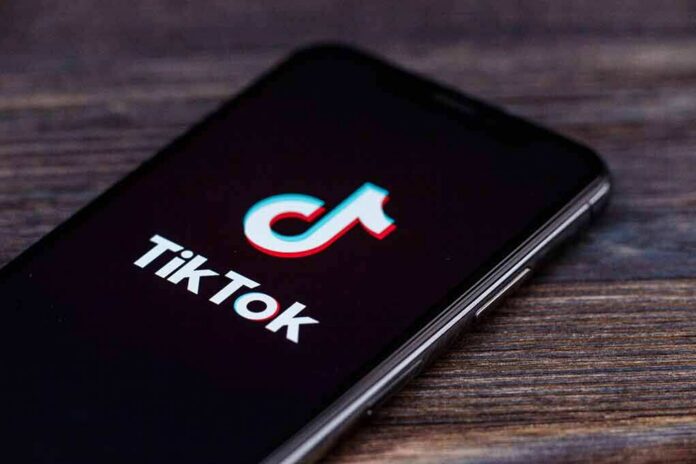
TikTok agreed to pay Alabama at least $100 million and cap teen use at two hours a day, just days before it would have become the first tech company forced to trial over claims it hooked kids on its app.
Story Snapshot
- TikTok will pay Alabama a minimum of $100 million within 45 days, with a possible total of $300 million.
- The app must limit teens to two hours a day, pause use at 15, 60, and 90 minutes, and block access from midnight to 6 a.m.
- The deal came just before Alabama’s lawsuit was set to become the first state trial testing claims that TikTok fueled a teen mental health crisis.
- The settlement mirrors a bigger safety deal Meta struck weeks earlier, part of a wave of state lawsuits targeting social media companies.
A Deal Struck Days Before Trial
Alabama Attorney General Steve Marshall announced the settlement on September 25, calling it a “historic” win for the state. TikTok and its Chinese parent company, ByteDance, agreed to pay a minimum of $100 million within 45 days, with the total climbing to $300 million if certain conditions are met. The deal ended Alabama’s lawsuit just days before it would have gone to trial.
The lawsuit accused TikTok of designing its app to addict children and lying to families about the risks. Alabama’s case would have marked the first state trial testing those claims against a major social media company. Instead, TikTok chose to settle, avoiding a courtroom fight that could have set legal precedent for dozens of similar lawsuits pending in other states.
New Limits Target How Teens Use the App
Beyond the money, TikTok agreed to build new limits directly into the app. Teens in Alabama will face a two-hour daily cap, with “productive pauses” kicking in after 15, 60, and 90 minutes of continuous use. The app will also block access between midnight and 6 a.m. and add stronger parental controls, giving families more say over how their kids use the platform.
TikTok also agreed to ban cosmetic-procedure filters for teen accounts and offer a non-personalized content feed as an option. If Snapchat and YouTube later adopt similar terms, Alabama’s deal says the daily limit across platforms could drop even further, to 60 minutes for a full decade. That clause pressures competitors to follow TikTok’s lead or risk looking like outliers on child safety.
Part of a Bigger Pattern in Tech Litigation
Alabama’s settlement lands weeks after Meta agreed to pay up to $18 billion to settle similar claims from nearly every state, covering Facebook and Instagram. Meta’s deal also included two-hour daily limits and scroll-interrupting pauses, features TikTok’s Alabama agreement closely mirrors. Together, the two settlements suggest a template is forming for how states are choosing to regulate teen safety without waiting on Congress to pass new laws.
TikTok has agreed to pay Alabama at least $100 million to settle the state's teen safety lawsuit, its first settlement with a state in a wave of similar cases. The deal landed just days before the trial was due to start.
For Alabama teens, the app will now enforce a two-hour…
— Ricky | Digital Ads & Strategy (@AdsByRicky) September 28, 2026
Not everyone is convinced these deals fix the underlying problem. United Nations experts warned that privately negotiated settlements like Meta’s should not replace real, transparent regulation built with input from young people themselves. Britain’s media regulator, Ofcom, separately found TikTok’s content feeds still “not safe enough” for kids, even as the company insisted its existing safeguards were adequate. Those findings raise a fair question: does a settlement change behavior, or just change the price of doing business?
For families and lawmakers frustrated with slow federal action on child safety, the Alabama deal offers a concrete, if partial, win. It proves states can extract real concessions from powerful tech companies without an act of Congress. Whether the new time limits and parental tools actually get enforced, or quietly fade the way some past safety features reportedly have, will be the real test of whether this settlement changes anything for kids.
Sources:
zerohedge.com, content.govdelivery.com, reuters.com, alabamaag.gov, dw.com