
AT&T’s headline-grabbing promise to scrap DEI may sound like a victory for merit and sanity, but the fine print suggests a cautious corporate dance between woke branding and real reform.
Story Snapshot
- AT&T formally informed federal regulators it has eliminated all dedicated DEI roles and related policies, asserting a shift to strictly merit-based hiring.
- The announcement occurred while AT&T was seeking FCC approval for multi-billion-dollar spectrum and broadband acquisitions under a federal policy climate critical of DEI.
- The move has been questioned by critics who suggest the company maintains internal inclusion initiatives under different branding.
- Competitors Verizon and T-Mobile have reportedly made similar commitments, signaling a broader policy shift across regulated telecommunications firms.
AT&T’s Policy Shift Acknowledges Regulatory Environment
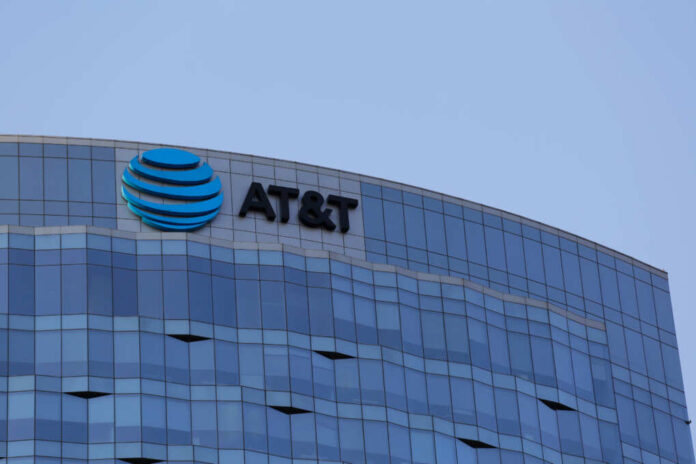
In early December 2025, AT&T issued a formal communication to FCC Chair Brendan Carr, stating that the company “does not and will not have any roles focused on DEI” and has terminated DEI-related policies. The company emphasized that its hiring and advancement processes are now governed strictly by merit and qualification, aligning with federal Equal Employment Opportunity (EEO) laws.
The timing of this commitment is notable: it occurred while AT&T was seeking FCC approval for multiple major transactions, including the acquisition of $1 billion in spectrum licenses from U.S. Cellular and a separate $23 billion broadband-focused deal involving EchoStar. The Trump administration’s public stance on eliminating DEI within federal and regulated entities created a clear incentive for regulated telecommunications firms to align their policies with the federal approach to secure necessary approvals.
AT&T vows to scrap DEI policies — including worker training that called racism ‘uniquely white trait’ https://t.co/IIcbFPCAiF pic.twitter.com/G8kmpE2k65
— New York Post (@nypost) December 3, 2025
Corporate History and Legal Scrutiny
The policy reversal contrasts sharply with AT&T’s previous stance. In the years following 2020, the company publicly championed comprehensive Diversity, Equity, and Inclusion (DEI) infrastructures, including specialized teams, training, and explicit hiring goals. Conservative watchdogs had previously criticized these policies, alleging they promoted divisive rhetoric and led to employment practices that were not strictly merit-based.
This corporate shift coincides with increased legal scrutiny: Supreme Court decisions have narrowed the permissible scope of race-conscious practices, and new federal guidance has cautioned companies that identity-based preferences could lead to legal challenges regarding employment discrimination. For AT&T, the public declaration to end DEI functions as a legal and regulatory measure to mitigate risk.
FCC Pressure and Industry-Wide Ripples
FCC Chair Brendan Carr has been explicit in his use of the Commission’s authority over mergers and spectrum sales to press telecom firms to abandon explicit DEI frameworks. This stance signals that companies continuing to maintain overt DEI structures could face regulatory hurdles, particularly when seeking approval for multi-billion-dollar transactions.
Reports suggest that AT&T’s competitors, including Verizon and T-Mobile, have also communicated intentions to sunset or rebrand many of their DEI programs and teams while pursuing major, FCC-dependent deals. This pattern confirms a broader, industry-wide shift among regulated telecommunications firms trading overt ideological branding for clearer regulatory pathways.
Meritocracy Versus Policy Language
Despite AT&T’s assertion that the DEI function has ended “not just in name but in substance,” some reporting indicates the company still maintains long-standing employee resource groups (ERGs) and inclusion-style initiatives, which are now simply rebranded or reframed as focusing on “culture” or “networking” rather than formal DEI policy enforcement.
The core debate centers on whether the move represents a genuine return to strictly merit-based advancement across all employment functions or a strategic use of language to satisfy federal regulatory requirements while maintaining underlying internal programs. The practical impact on employees and the long-term effectiveness of the policy will depend on the consistent application of merit-based principles in daily operations.
Sources:
AT&T promised it will not pursue DEI programs in a new letter to the FCC
AT&T drops DEI efforts to win FCC approval for telecom deals
AT&T eliminates DEI programs, says hiring and advancement now merit-based
10 employers still committed to diversity, equity and inclusion (DEI) in 2025
FCC strong-arms AT&T to drop DEI in exchange for spectrum purchase