

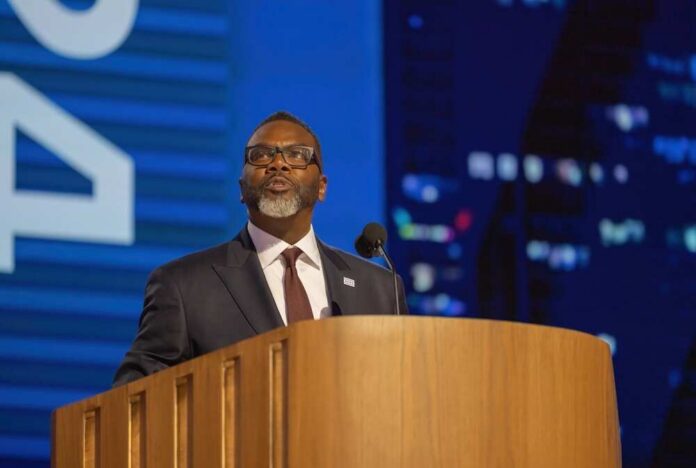
Chicago’s progressive mayor just vetoed a City Council majority’s vote to freeze tipped wage hikes, forcing restaurants into higher costs amid national economic strains from endless wars and inflation.
Story Snapshot
- City Council voted 30-18 to freeze tipped workers’ base wage at $12.62/hour, but Mayor Brandon Johnson vetoed it.
- Veto ensures July 1 hike to 84% of full $16.60 minimum wage, advancing 2023 ordinance to phase out subminimum by 2028.
- Illinois state bill advanced could preempt Chicago, dropping rate to $9/hour and overriding local hikes.
- Progressives split: Johnson prioritizes worker equity; Council pragmatists back business relief amid post-inflation pressures.
City Council Backs Freeze Amid Economic Pressures
Chicago City Council approved a 30-18 measure the week before March 28, 2026, to halt tipped wage increases at $12.62 per hour, or 76% of the $16.60 full minimum. Ald. Samantha Nugent led the effort, arguing the phase-out burdens restaurants already hit by inflation and high energy costs from federal mismanagement. This vote reflected widespread frustration with progressive policies driving up business expenses. Tipped workers currently receive this base plus tips, with employers topping up if needed. The push came as hospitality faces closures and job losses.
Mayor’s Veto Defies Supermajority
Mayor Brandon Johnson vetoed the freeze labeling it “tone deaf and shortsighted.” He upheld his 2023 One Fair Wage Ordinance, which started tipped base pay at 60% and schedules rises to 100% by July 1, 2028, tied to 2.5% or CPI. Johnson framed the decision as protecting low-wage workers from exploitation. Override requires 34 votes at the April 15 Council meeting. This split pits the mayor against a council majority, including some progressives wary of overreach.
State Intervention Threatens Local Control
Illinois House Labor and Commerce Committee passed Rep. Curtis Tarver’s bill 22-4, banning local tipped wage rules and enforcing the state $9/hour rate. The Illinois Restaurant Association backs this to counter Chicago’s hikes, warning of “job killers.” Passage would slash tipped base pay by 30%, nullifying the July 1 increase to about $13.94. Restaurants seek cost control to survive economic headwinds, while workers risk lower guarantees. This escalates the fight to Springfield.
Conservatives watching from afar see parallels to government overreach: unelected progressives impose mandates ignoring small business realities, much like federal spending fueled inflation. Johnson’s veto prioritizes ideology over pragmatism, potentially pricing out family-owned eateries vital to communities. State preemption offers common-sense relief, affirming limited government principles against urban elite agendas.
Impacts on Workers and Businesses
Tipped workers, numbering around 20,000 in Chicago, keep the scheduled 10% base hike July 1 but face state bill risks dropping it to $9. Long-term phase-out aims for earnings stability with full minimum base plus tips. Restaurants warn higher costs lead to price hikes, reduced hours, or closures, hitting low-income neighborhoods hardest. Political tests progressive unity, with businesses gaining leverage via state action. Broader effects could curb similar policies in other cities.
Sources:
Mayor Brandon Johnson vetoes bid to halt wage hikes for tipped workers (CBS News Chicago)
Mayor vetoes measure that would block end of tipped minimum wage (WTTW)