
Ford CEO Jim Farley warns that Chinese automakers flooding the US market would devastate American manufacturing—the heart and soul of the nation—exposing vulnerabilities in jobs, security, and fair competition.
Story Highlights
- Ford CEO Jim Farley calls Chinese entry into US auto market “devastating” due to massive overcapacity and unfair subsidies.
- Chinese vehicles pose national security risks through data-collecting cameras potentially enabling espionage.
- Current high tariffs block direct imports, but Canada-Mexico trade talks threaten backdoor access.
- President Trump’s openness to Chinese factories hiring Americans contrasts with Farley’s protectionist stance.
- Midwest autoworkers face job losses amid rising EV demand from global fuel crises.
Ford CEO Sounds Alarm on Chinese Threat
Ford Motor Company CEO Jim Farley appeared on Fox & Friends on April 13, 2026, declaring that Chinese automakers entering the US market would deliver a “devastating” blow to domestic manufacturing. He described American auto production as the “heart and soul” of the country, emphasizing its role in sustaining millions of jobs in states like Michigan and Ohio. Farley highlighted China’s enormous overcapacity, which could supply all US sales volumes single-handedly.
Unfair Subsidies Undermine American Workers
Chinese firms like BYD and Xiaomi benefit from massive government subsidies, allowing them to undercut US competitors on price while dominating global EV markets in Europe and South America. Farley stressed that this creates “no way this is a fair fight,” as state-backed overproduction floods markets. US tariffs, starting at 100% under the prior administration and escalating to around 250% in recent trade wars, currently block direct imports. These measures protect jobs but face pressure from ongoing USMCA renegotiations with Canada and Mexico.
National Security Risks from Connected Cars
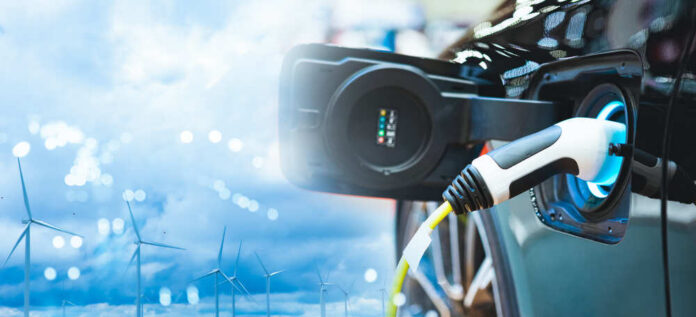
Farley raised alarms over cybersecurity threats in Chinese electric vehicles equipped with cameras that collect vast driver data. He warned these systems could enable espionage or privacy breaches, urging the government to keep Chinese cars out entirely. This concern aligns with broader fears of foreign dominance in critical infrastructure, echoing frustrations across political lines about elites prioritizing globalism over American sovereignty and worker protections.
The 2026 Strait of Hormuz crisis spiked fuel costs, accelerating EV demand and heightening US vulnerability if protections lapse. Both conservatives decrying job-killing imports and liberals wary of economic divides recognize government failures in shielding citizens from such threats.
Ford's CEO said Chinese carmakers entering the US would be 'devastating'
In 2024, Farley said in a podcast interview that he had been driving a Xiaomi SU7 EV for the past six months and did not want to give it up.https://t.co/IXpUFFK1Bk
— Gerard Hough (@GerardHough) April 14, 2026
Contrasting Views from Trump and Industry
In January 2026, President Trump stated at the Detroit Economic Club his openness to Chinese companies building US factories and hiring American workers, aiming to bring jobs home under America First principles. Farley countered this by advocating strict blocks, lobbying for joint ventures with full US control. No policy shifts have emerged post-interview, but coverage surged on April 14 across Business Insider and Gulf News. This debate underscores tensions between protectionism and pragmatic trade in Trump’s second term, with Republicans holding Congress amid Democrat obstruction.
Autoworkers in the Midwest bear the brunt, facing short-term job gutting if tariffs weaken and long-term erosion of US EV leadership. Consumers confront distorted prices from subsidy wars, while the industry pushes for security regulations on connected vehicles. Farley’s stance, his toughest yet, amplifies calls to preserve founding principles of self-reliance against foreign overreach.
Sources:
Ford’s CEO said Chinese carmakers entering the US would be ‘devastating’
Ford CEO Said Chinese Carmakers Entering US Would Be ‘Devastating’
Ford CEO’s Dire Warning: Chinese EVs Will Crush America’s Auto Heartland
Chinese carmakers should be kept out of US, says Ford CEO Jim Farley