
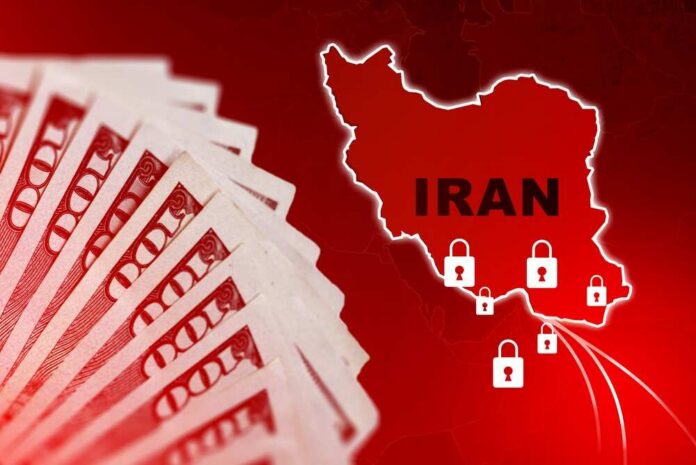
President Trump’s U.S. Navy blockade of every Iranian port begins yesterday, placing Iran’s next move at the center of a high-stakes showdown that could reshape global energy markets and American security.
Story Highlights
- U.S. Central Command announces blockade of all Iranian ports starting April 13, 2026, at 10:00 a.m. ET, targeting oil exports and imports to pressure Iran economically.
- Ceasefire talks in Islamabad collapse over Iran’s nuclear program, prompting Trump’s Truth Social order after IRGC mine-laying and naval standoffs in Strait of Hormuz.
- U.S. Navy destroyers transit strait to clear Iranian mines amid IRGC drone warnings, highlighting direct confrontation in ongoing war since February 2026.
- Blockade spares non-Iranian strait traffic but risks IRGC retaliation, oil price spikes, and wider regional conflict.
Blockade Launch Follows Failed Diplomacy
U.S. Central Command initiated the naval blockade of all Iranian ports and coastal areas at 10:00 a.m. ET on Monday, April 13, 2026. President Donald Trump ordered the action via Truth Social after 21 hours of ceasefire negotiations in Islamabad collapsed. Vice President JD Vance led U.S. talks, which failed primarily due to Iran’s refusal to abandon its nuclear program. The move escalates from Trump’s initial threat to fully close the Strait of Hormuz. CENTCOM clarified the operation targets only vessels entering or leaving Iranian ports, allowing transit to non-Iranian destinations. This precise enforcement underscores U.S. commitment to reopening vital shipping lanes while denying Iran economic leverage.
Recent Naval Standoffs Escalate Tensions
On Saturday, April 11, U.S. Navy destroyers USS Frank E. Petersen Jr. and USS Michael Murphy transited the Strait of Hormuz to clear mines laid by Iran’s Islamic Revolutionary Guard Corps. Iranian state media released video of IRGC Navy issuing warnings to turn back, followed by a drone launch. U.S. forces reportedly completed the transit despite threats. Iran has controlled the strait since the war began in February 2026, halting most shipping through this chokepoint for 20% of global oil. IRGC statements affirm full control, promising forceful responses to military vessels while allowing limited civilian passage.
Trump’s Directive and IRGC Response
President Trump posted on Truth Social Sunday: “BLOCKADING any and all Ships trying to enter, or leave, the Strait of Hormuz… Any Iranian who fires at us… will be BLOWN TO HELL!” The goal remains clearing mines and restoring open shipping. Vice President Vance noted Iran’s “unreasonable” nuclear demands derailed talks. IRGC Navy warned U.S. ships to retreat or face targeting, echoing past threats of “Gulf ports for all or none.” No further clashes reported post-announcement, but U.S. assets including underwater drones prepare for enforcement. This standoff reflects deep mistrust after decades of tension since 1979.
Economic and Global Ramifications
The blockade strikes Iran’s oil-dependent economy at its core, halting exports from ports like Bandar Abbas and causing import shortages. Short-term effects include global oil price surges and shipping disruptions in the Gulf. Gulf states face halted traffic, while importers brace for hikes. Long-term, full impact may take months, risking Iranian recession, refugee flows, and environmental hazards from mines or damaged tankers. Experts like Roger Altman note enforcement challenges despite U.S. naval superiority. IRGC asymmetric tactics via drones and mines pose ongoing threats to broader stability.
Iran’s Next Move Decides Everything: Every Iranian Port Will Be Closed by the U.S. Navy.https://t.co/MwQAEhZMqS
— Harry J. Kazianis (@GrecianFormula) April 13, 2026
Shared Frustrations Amid Power Plays
Americans across the political spectrum watch this unfold with growing unease over endless foreign entanglements. Conservatives cheer Trump’s firm stand against nuclear threats and illegal blockades that drive up energy costs at home. Liberals decry escalation risks that burden taxpayers and widen divides. Yet both sides recognize a deeper truth: distant elites in Washington and Tehran prioritize power over people, eroding the American Dream of self-reliance. This blockade tests whether decisive action can restore order or fuel the “deep state” cycle of perpetual conflict.