Washington is racing to cut a peace deal with Iran that could reopen oil flows and ease a dangerous war, but big unanswered questions about nuclear material and cash for Tehran have both Trump’s base and his critics warning that America may be getting played again.
Story Snapshot
- President Trump says a U.S.–Iran peace framework is “largely negotiated,” but key nuclear issues remain unsettled.
- The tentative arrangement would keep U.S. forces near Iran for about 30 days while granting Tehran limited sanctions relief and access to frozen funds.
- Republican hawks like Ted Cruz and Lindsey Graham warn the emerging deal could be a “disastrous mistake” that strengthens Iran’s regime.
- Conflicting leaks and quiet agencies mean Americans are being asked to trust an agreement they have not seen.
Trump’s ‘largely negotiated’ peace and what we actually know
President Donald Trump told Americans over the weekend that a peace deal with Iran and several Middle Eastern countries is “largely negotiated,” framing it as a step toward ending a costly and risky war in the region.[1][2] Reports say the framework includes extending the current ceasefire for roughly 60 days and gradually reopening the vital Strait of Hormuz to commercial shipping, easing pressure on global oil supplies and prices.[1][2] Trump’s allies present this as proof that tough pressure forced Tehran to bargain.[3]
Iranian officials are already disputing parts of Trump’s optimistic framing. Iranian state media and officials insist that the Strait of Hormuz will remain under Iran’s management, portraying the tentative understanding more as a limited memorandum of understanding to halt fighting than a full political settlement.[1][2] That gap between Washington’s rhetoric and Tehran’s version is fueling skepticism that the deal is solid. It also highlights how little verified text the public has actually seen, beyond political talking points and media leaks.[1][2]
Unresolved nuclear “dust”: the stakes of what is left out
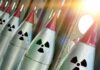
National security analysts emphasize that the central unresolved issue is Iran’s stockpile of highly enriched uranium, sometimes referred to by Trump as the leftover “nuclear dust.”[1][3][4] Commentators say Iran has enriched uranium close to weapons-grade levels, and that the emerging framework postpones a final decision about whether that material will be shipped out, diluted, or tightly monitored.[1][3] Iranian leaders publicly insist that remaining enriched material must stay inside Iran, alarming critics who worry that an interim peace could leave the core nuclear threat intact.[3][4]
Past experience with the 2015 Iran nuclear deal, formally known as the Joint Comprehensive Plan of Action, looms over this debate.[5] Trump withdrew from that agreement in 2018, arguing it failed to constrain Iran’s missiles and regional proxy forces, and many conservatives now fear repeating what they see as the same mistake of granting sanctions relief without permanently dismantling the nuclear program.[3][5] Analysts note that current drafts reportedly push decisions on enrichment and missiles into follow-on talks over the next one to two months, which critics say means the hardest problems are still being kicked down the road.[2][4]
Money, sanctions relief, and why hawks on the right are furious
Leaks and commentary describe a package that would unfreeze billions of dollars in Iranian assets and grant limited waivers on oil sanctions in exchange for de-escalation and cooperation on shipping lanes.[1][2] Retired generals and Republican hawks argue that such funds would act as a financial lifeline to an authoritarian regime with a long record of sponsoring proxy militias across the Middle East, rather than to ordinary Iranians.[1][3][4] They warn that once money starts flowing and oil exports climb, Washington will lose leverage to demand deeper nuclear concessions later.[1][3][4]
Senators Ted Cruz and Lindsey Graham, usually aligned with Trump, are reported to be among the loudest voices warning that the emerging deal could be a “disastrous mistake.”[2][5] They and other critics argue that mixing partial sanctions relief, ambiguous nuclear terms, and a short-term U.S. troop presence near Iran risks a worst-of-both-worlds outcome: Tehran gets cash and time, while American forces remain exposed.[1][2][4] Former officials like Mike Pompeo are quoted comparing the approach to earlier arrangements they believe empowered Iran’s Revolutionary Guard rather than restraining it.[1][3]
Military leverage, information gaps, and the public interest
Supporters of Trump’s approach counter that keeping U.S. forces in close proximity to Iran for roughly 30 days preserves military leverage while diplomats test whether Tehran will honor the ceasefire and shipping commitments.[1] They argue that the presence of American power nearby, combined with phased economic incentives, is a way to manage risk without sliding into an endless shooting war.[1][3] In this view, any sanctions flexibility is calibrated and reversible if Iran cheats on its promises or stalls on nuclear follow-on talks.[1][3]
Trump lashes out at Republican rebels as Cruz and Graham warn his Iran deal could be a 'disastrous mistake' | Daily Mail Online https://t.co/rRCQtsKAJ9
— Donna preston (@geekonline) May 25, 2026
For citizens watching from home, the deeper problem is that the most consequential details remain classified, fluid, or filtered through partisan media. The public has not been shown the draft memorandum of understanding, the annexes on nuclear steps, or the exact terms on sanctions and the Strait of Hormuz.[1][2] Agencies and negotiators are largely silent, while cable segments and social media fight over whether Trump is capitulating or outmaneuvering Tehran.[1][2][4] That information vacuum feeds the broader sense that foreign policy is something done to the American people, not explained to them.
Sources:
[1] YouTube – IRAN DEAL STALLS: Trump Rows Back On “Largely …
[2] YouTube – JUST IN: Trump Blasts ‘Losers’ Criticizing Potential Iran Deal After …