
The devastation in the Philippines from a 6.9 magnitude earthquake raises concerns about preparedness and international response.
Story Highlights
- A powerful 6.9-magnitude earthquake struck the central Philippines.
- The death toll has risen to 69, with rescue efforts ongoing.
- The quake is one of the strongest the country has faced in a decade.
Earthquake Strikes Central Philippines
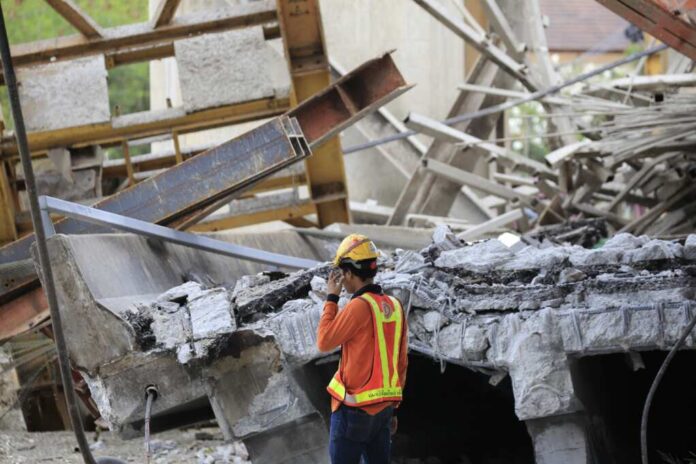
A 6.9-magnitude earthquake struck the central region of the Philippines, causing significant destruction and loss of life. As of Wednesday, the death toll has risen to 69, with many still missing. The tremor is one of the strongest the country has experienced in the past decade, and it has led to widespread damage across affected areas. Rescue operations are underway as authorities strive to locate survivors amidst the debris.
The earthquake struck without warning, catching many residents off guard and leading to a frantic scramble for safety. The central Philippines, a region vulnerable to natural disasters, has been grappling with the aftermath as emergency teams work tirelessly to provide aid and assistance to those affected. The severity of the quake has raised questions about the region’s preparedness and the need for improved infrastructure to withstand future natural calamities.
6.9-magnitude #earthquake strikes central #Philippines, killing at least 69, injuring 150.Collapse of buildings,power outages, and ongoing rescue efforts in Cebu and Bohol. No tsunami threat, but aftershocks hamper recovery. Philippines on Pacific Ring of Fire. #PhilippinesQuake pic.twitter.com/T7zHUWVWcT
— Thepagetoday (@thepagetody) October 1, 2025
Rescue Efforts and Challenges
Rescue teams have been deployed to the hardest-hit areas, where they face significant challenges due to blocked roads and damaged infrastructure. The urgency to find survivors is paramount, as time is critical in the aftermath of such a disaster. Despite the overwhelming odds, rescuers remain hopeful as they continue to search through the rubble.
The local government, alongside international agencies, is coordinating relief efforts to ensure that affected communities receive the necessary support. This includes providing temporary shelters, food, and medical assistance to those who have been displaced. The resilience of the Filipino people is being tested once again, as they come together to rebuild and recover from the devastation.
International Response and Support
The international community has begun to respond, offering aid and support to the Philippines in its time of need. Several countries have pledged assistance, recognizing the importance of solidarity in the face of such calamities. However, the scale of the disaster underscores the ongoing need for global cooperation in disaster preparedness and response initiatives.
As the Philippines works to recover, attention turns to how similar disasters can be mitigated in the future. Strengthening infrastructure, enhancing early warning systems, and fostering international partnerships are crucial steps towards reducing the impact of natural disasters and protecting vulnerable populations.
Sources:
https://en.wikipedia.org/wiki/2025_Cebu_earthquake?utm
https://apnews.com/article/philippines-earthquake-bogo-cebu-province-d959b0fe70099f3439baff2ecc1b1805