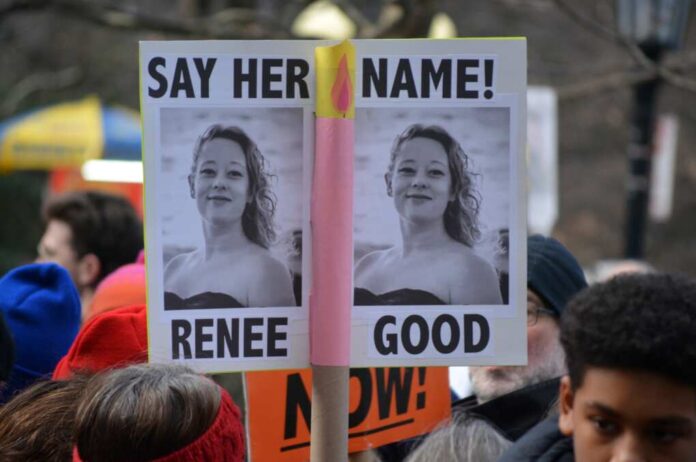
A controversial shooting in Minneapolis has rekindled national debates over immigration enforcement and federal accountability, with ICE agents under intense scrutiny.
Story Overview
- An ICE agent fatally shot Renee Good, a U.S. citizen, in Minneapolis, sparking controversy.
- Federal and local narratives clash, with video evidence contradicting official claims.
- ICE operations and vehicle-related encounters face increased scrutiny.
- Federal-local tensions rise, impacting immigration policy and enforcement tactics.
Controversial Shooting Sparks National Debate
On January 8, 2026, an ICE Enforcement and Removal Operations officer, Jonathan Ross, fatally shot 37-year-old Renee Nicole Good during an operation in south Minneapolis. Federal agents approached Good’s vehicle, claiming she “weaponized her vehicle” as they attempted an arrest. However, local witnesses and video evidence offer a conflicting narrative, suggesting that Good posed no lethal threat. This incident has ignited a political maelstrom, with accusations of federal overreach and calls for accountability.
The federal narrative quickly characterized Good’s actions as “domestic terrorism,” a term that DHS Secretary Kristi Noem defended. Yet, this rapid classification has drawn criticism from local officials and the public, who argue that the rush to judgment undermines the integrity of the ongoing FBI investigation. Mayor Jacob Frey and Governor Tim Walz have vocally opposed these characterizations, highlighting the potential bias in federal enforcement practices.
Watch:
Historical Context of ICE Operations
Jonathan Ross, a seasoned ICE officer, has a history of involvement in contentious vehicle-related incidents. Six months prior to the Good shooting, Ross was injured in a similar confrontation in Bloomington, Minnesota. These incidents point to a broader pattern of aggressive ICE tactics in vehicle encounters, with DHS reporting over 100 such incidents recently. The scrutiny on these operations raises questions about the balance between law enforcement and civil liberties.
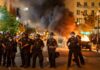
The political fallout from the Good shooting has exacerbated tensions between federal authorities and local Minnesota leaders. With public safety concerns mounting, Minneapolis has seen unrest, partly attributed to heightened rhetoric from both sides. Tom Homan, a key federal figure, has urged local leaders to reduce inflammatory language, warning of potential further violence. This dynamic reflects the broader national discourse on federal-local relations and immigration enforcement.
Impact and Long-Term Implications
The shooting of Renee Good has not only intensified scrutiny on ICE but also prompted a reassessment of vehicle-based law enforcement tactics. The incident’s portrayal as “domestic terrorism” without comprehensive investigation has sparked fears of institutional bias and eroded public trust in federal agencies. As the FBI continues its investigation, the outcome may influence future ICE operations and policies on the use of force.
Tom Homan Says ICE Agent Who Shot Renee Good Is ‘In Hiding’ https://t.co/nw0tNAlrfa via @@YahooNews
— pissoffeveryone (@PMyers2) January 14, 2026
The controversy also underscores the fragile relationship between federal and local authorities, potentially affecting future immigration enforcement collaborations. As communities grapple with these issues, the case symbolizes the broader struggle for accountability and transparency in law enforcement, with significant implications for national policy and community trust.
Sources:
CBS News Minnesota
Cato Institute
Politico