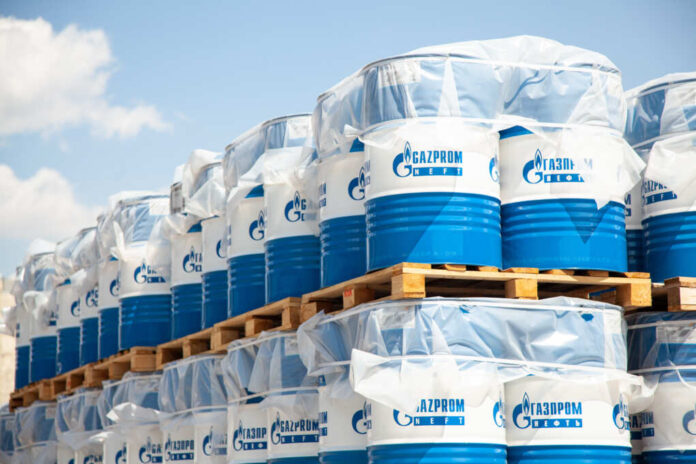
India remains resolute in its decision to import Russian oil, despite President Trump’s threats of imposing a 25% tariff on Indian exports.
Story Highlights
- India continues to import Russian oil despite potential U.S. tariffs.
- The Indian government cites energy security and price stability as reasons.
- The Trump administration claims India would halt Russian oil imports, but India denies any policy change.
- U.S.-India relations face strain due to differing energy policies.
India’s Strategic Energy Choices
India has decided to continue its imports of Russian oil amidst threats from the U.S. President Donald Trump, who has proposed a 25% tariff on Indian exports as a penalty for these purchases. Indian officials have made it clear that their energy security and economic stability are priorities. Despite Western sanctions and pressure, Russian crude remains a significant part of India’s oil basket, reaching up to 40% by 2025. Indian authorities argue that their actions are legal, as they purchase oil below the EU price cap.
The relationship between India and the U.S. is crucial, yet energy policy remains a contentious issue. While Trump has publicly claimed that India would cease buying Russian oil, Indian officials have denied any such policy changes. According to anonymous sources, India has no immediate plans to halt its Russian oil imports, pointing to long-term contracts and market realities as primary considerations.
Background and Historical Context
Historically, India has sourced most of its oil from the Middle East, but the Russian invasion of Ukraine in February 2022 and the subsequent Western sanctions created a price differential. This led India to increase its Russian oil imports from a mere 0.2% in early 2022 to significant levels by 2025. U.S. and EU sanctions imposed a price cap on Russian oil; however, India maintains that its purchases are both legal and necessary for its economy.
Prime Minister Narendra Modi and Indian oil companies have emphasized the importance of securing affordable energy to sustain economic growth. Despite the pressure from Trump’s administration, which aims to isolate Russia economically and maintain leverage over India, New Delhi remains focused on its strategic autonomy and energy security.
Current Developments and U.S. Pressure
In July 2025, Trump announced his intention to impose a 25% tariff on Indian exports, alongside further penalties for continued Russian oil purchases. Despite these threats, Indian government officials have reiterated their stance on maintaining Russian oil imports. Reports indicate that some Indian state refiners paused new Russian oil purchases in late July 2025, but this decision was driven by shrinking discounts rather than U.S. political pressure.
Indian officials insist that their energy policy is rooted in market-based decisions and a time-tested partnership with Russia. The foreign ministry has emphasized India’s commitment to strategic autonomy and non-alignment in energy policy, a tradition that experts suggest may be further tested by escalating U.S. penalties.
Long-term Implications and Global Impact
The potential enforcement of tariffs and penalties on India could strain U.S.-India relations, prompting India to consider diversifying its oil sources further. This might lead to an increase in U.S. and Middle Eastern oil imports. Such a shift could also impact global oil markets, causing volatility in prices and affecting inflation rates.
India’s stance on Russian oil purchases highlights a broader geopolitical and economic challenge. Analysts argue that India’s actions have helped stabilize global oil prices by absorbing discounted barrels. Although U.S. officials view India’s purchases as undermining sanctions on Russia, Indian officials maintain that their actions are aligned with their economic interests and legal frameworks.
Sources:
Times of India
Economic Times
Centre for Research on Energy and Clean Air