
President Trump just used emergency powers to put foreign oil suppliers to Cuba on notice—risk U.S. tariffs, or stop fueling a hostile regime.
Story Snapshot
- Trump signed a Jan. 29, 2026 executive order declaring a national emergency over Cuba and creating a new tariff tool aimed at third-country oil suppliers.
- The order targets any country that “directly or indirectly” provides oil to Cuba, with tariff levels to be set through an interagency process and approved by the president.
- Cuba’s energy crunch is severe; reporting cited estimates that the island had roughly 15–20 days of oil reserves as of late January 2026.
- Mexico has been a key remaining supplier, but Pemex suspended commercial shipments; Mexico says “humanitarian” hydrocarbon aid will continue.
Trump’s Emergency Order Creates a New Tariff Lever
President Donald Trump signed an executive order on January 29, 2026, declaring a national emergency tied to Cuba and authorizing additional tariffs on imports from countries that supply oil to the island. The order describes Cuba as an “unusual and extraordinary threat” to U.S. national security and foreign policy and sets up a process where Commerce, State, Treasury, Homeland Security, and the U.S. Trade Representative recommend tariff actions for Trump’s approval.
Unlike traditional sanctions that hit Cuba directly, this approach pressures outside suppliers by tying their access to the U.S. market to their dealings with Havana. The language “directly or indirectly” matters because it can capture a wide range of transactions—commercial shipments, intermediaries, or other arrangements—depending on how the administration defines and enforces it. The White House has not publicly set tariff rates yet, leaving businesses and foreign governments watching for the rulemaking details.
Watch:
Why Oil Shipments Became the Pressure Point
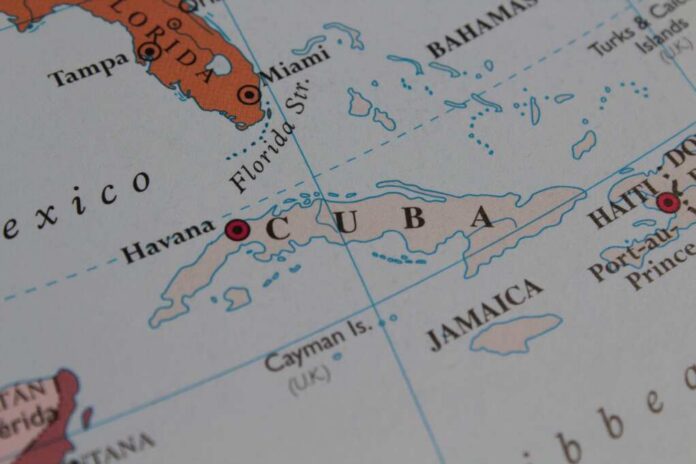
Cuba’s vulnerability, according to the reporting, centers on energy. For years the regime leaned heavily on Venezuelan crude, averaging about 46,500 barrels per day before recent upheaval. After a U.S. military operation captured Venezuelan leader Nicolás Maduro and his wife in Caracas on January 3, 2026, Venezuela halted oil shipments to Cuba, removing a pillar of Havana’s survival. That supply shock accelerated an already deepening crisis on the island.
By late January, estimates cited in reporting suggested Cuba had roughly 15 to 20 days of oil reserves remaining, tightening the timeline for any U.S. pressure campaign. Mexico had emerged as a primary remaining source, exporting an average of 17,200 barrels per day to Cuba in the first nine months of 2025, a small share of Mexico’s foreign oil shipments but potentially decisive for Cuba’s grid and transportation. Russia and Algeria have shipped less recently, limiting alternatives.
Mexico’s “Humanitarian Aid” Claim Collides With Broad U.S. Language
Mexico’s government and its state oil company have tried to split the difference. Reporting indicates Pemex suspended commercial oil tanker shipments to Havana, while President Claudia Sheinbaum publicly maintained that humanitarian hydrocarbon aid would continue. Sheinbaum also denied that tariffs were discussed in a phone call with Trump, suggesting Mexico is attempting to keep the issue framed as relief rather than commerce while avoiding a direct confrontation with Washington.
That distinction may not hold if U.S. enforcement treats any shipment as “indirect” support for the Cuban state. The executive order’s scope creates uncertainty for allies and trading partners because penalties would apply to their exports to the United States, not merely their Cuba-related trade. For a conservative audience wary of global gamesmanship that leaves Americans paying the price, the key question becomes how narrowly the administration defines exemptions and how quickly it moves from warning shots to real tariff decisions.
Implementation, Legal Questions, and the Stakes for the U.S.
The administration has framed the move as a way to align partners with U.S. foreign policy priorities. Commerce Secretary Howard Lutnick described the tariff framework as clarifying what “allies and friends should do,” while Trump publicly argued the policy responds to the Cuban government’s treatment of its people and rejected the idea that he is trying to “choke off” the economy. Secretary of State Marco Rubio said the U.S. would welcome political change in Cuba but denied a direct regime-change operation.
#US President Donald #Trump signs an executive order threatening to impose additional tariffs on countries that sell oil to #Cuba, further increasing pressure on the communist-led island.https://t.co/i6xZHstPvZ
— Al Arabiya English (@AlArabiya_Eng) January 30, 2026
The practical stakes stretch beyond Cuba. The reporting notes the tariff structure is being built under emergency authority, with broader debate about how far presidents can go when using emergency powers to reshape trade. The order also raises the question of blowback: if Cuba’s energy situation worsens quickly, migration pressure could increase in the region, putting U.S. border enforcement back under strain. The administration’s next steps—tariff rates, definitions, and enforcement timelines—will determine how disruptive this becomes.
Sources:
Trump declares national emergency over Cuba and targets oil suppliers with new tariffs
Trump threatens tariffs on countries selling oil to Cuba after declaring national emergency
FACT SHEET: President Donald J. Trump Addresses Threats to the United States by the Government of Cuba