
A so-called “National Shutdown” over immigration enforcement turned downtown Los Angeles into a flashpoint, ending with arrests, chemical agents, and a tactical alert.
Story Snapshot
- Thousands rallied in downtown Los Angeles on Jan. 30, 2026, protesting ICE and federal immigration enforcement actions tied to events in Minneapolis.
- What began as daytime marches and a student walkout escalated near the Metropolitan Detention Center as authorities declared an unlawful assembly.
- LAPD confirmed eight arrests and said officers faced thrown objects as crowds pressed toward the federal facility.
- Protests continued into Jan. 31 with a memorial bike ride and additional demonstrations planned across the L.A. region.
Downtown protest swells from walkout to mass march
Los Angeles saw large crowds gather Friday, Jan. 30, with thousands assembling around City Hall and Spring Street by early afternoon, including students participating in a districtwide Los Angeles Unified walkout. Reports from the scene described a diverse mix of families, teachers, and community members as the crowd moved through downtown. Later estimates placed the broader downtown turnout in the thousands as marchers headed toward federal facilities and nearby neighborhoods.
The rally was framed by organizers as part of a coordinated, multi-city “National Shutdown,” built around opposition to immigration enforcement and anger over federal agent-involved killings in Minneapolis that protesters cited as a trigger for mobilization. Several accounts stressed that the daytime hours remained largely peaceful, even as tensions simmered over the presence of federal detention operations in a city long defined by immigration politics and sanctuary-style activism.
🚨 BREAKING: Massive crowd of 1000s takes the streets in Los Angeles in solidarity with Minneapolis as part of the anti-ICE nationwide shutdown. pic.twitter.com/TBGYyFJegj
— BreakThrough News (@BTnewsroom) January 30, 2026
Detention center standoff ends in dispersal orders and chemical agents
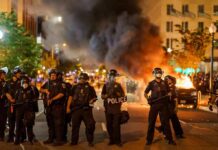
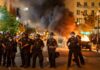
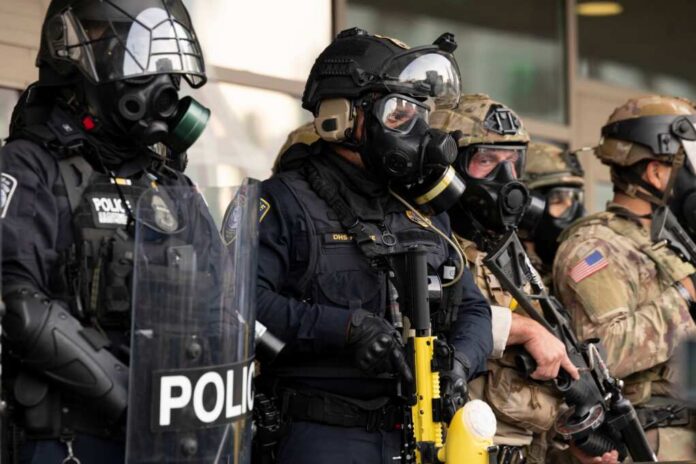
Conditions shifted outside the Metropolitan Detention Center later Friday as authorities moved to clear streets and secure the area. Reports said federal authorities declared an unlawful assembly and deployed pepper balls and tear gas, while LAPD issued a citywide tactical alert and later a dispersal order affecting Alameda Street between Union Station and 1st Street. By the evening, the crowd thinned significantly as police pushed the remaining demonstrators away.
LAPD spokesperson Kevin Terzes said eight people were arrested, with charges that included failure to disperse and an allegation of assault with a deadly weapon. Available reporting noted a key limitation: police did not publicly provide details about the circumstances behind the alleged assault charge. Multiple accounts also described debris, bottles, and other objects being thrown, a detail that helps explain why authorities escalated crowd-control measures around a sensitive federal facility.
Competing narratives: “overreach” claims versus public-order realities
Protest messaging centered on demands to end ICE operations and accusations that enforcement is unconstitutional or abusive. Organizers and participants emphasized solidarity across racial and ethnic lines, portraying the movement as youth-driven and nationwide. From a constitutional perspective, Americans have a clear right to speak, assemble, and protest government policy. That right, however, does not include blocking streets indefinitely, menacing facilities, or ignoring lawful dispersal orders once violence or property damage becomes a risk.
The strongest verified facts in the record are operational: time-stamped crowd movement, the tactical alert, the unlawful-assembly declaration, the use of chemical agents, and the arrest count. The weakest areas are the underlying claims about “targeting and killing,” which appear in activist statements but are not fully substantiated in the supplied reporting beyond references to the Minneapolis deaths and to allegations about enforcement conduct. With limited direct statements from federal authorities in the available sources, readers should separate confirmed events from rhetoric.
Protests continue regionwide as organizers look beyond one night
Demonstrations continued into Saturday, Jan. 31, including a reported 10-mile memorial bike ride in Santa Monica honoring Alex Pretti. Additional protests were planned across the Los Angeles region in locations including Santa Monica, Culver City, Torrance, El Monte, Monrovia, and Pasadena. The shift from a downtown clash to dispersed neighborhood actions suggests organizers are aiming for sustained pressure through repeated events rather than a single, centralized march.
For residents who are worn down by years of disorder and political double standards, the practical question is whether leaders will defend lawful protest while enforcing the line against intimidation and street-level chaos. The public deserves transparency on why specific crowd-control tools were used, and officers deserve accountability when allegations arise. At the same time, federal immigration enforcement remains a lawful function of the national government—one that cannot be vetoed by street takeovers.
Sources:
‘National Shutdown’ brings protests to L.A., across the nation; demonstrators clash with police
Demonstrations against ICE tactics continue in L.A.
Live updates: Protesters clash officers during ICE protest downtown LA
ICE Out protests in LA
Nationwide ICE protest draws hundreds of Los Angeles protesters
Photos: Anti-ICE protest gets heated on National Shutdown day